In an era where digital footprints are as significant as physical ones, understanding and managing your personal information online has become paramount. Advanced Background Checks (ABC) is a platform that aggregates consumer data, often from public databases, presenting it in a format accessible for various purposes, including employment, rental applications, and more. While this accessibility can be beneficial, it also raises significant privacy concerns. This article delves into the intricacies of removing your personal information from ABC, exploring the underlying data infrastructure, the legal frameworks, and the practical steps involved in reclaiming your digital privacy.
The Data Ecosystem: Unraveling the Sources of Your Information
AdvancedBackgroundChecks.com is a data broker and background check aggregator that collects and compiles personal information from various public and private sources. Unlike search engines that index content temporarily, data brokers like AdvancedBackgroundChecks maintain permanent profiles. These profiles can be accessed by employers, landlords, creditors, and other third parties conducting background checks. ABC itself is a free people search site that lets you find personal information about people, like their contact details. For more thorough information, like the person’s background report, the site includes sponsored links to other data brokers where you can access a person’s current home address and phone number, social media, criminal records, and more for a monthly subscription fee.
The data that appears on an ABC report is aggregated by a data API service company called Endato. Endato acts like a bridge between a search result and the originating source material. Endato's data paths come from Enformion, a database gateway and data broker informer. Enformion tech (like Endato API) is responsible for many consumer records on the internet. The farthest back users can chase these consumer records is to Enformion. They access the databases directly and offer raw or manicured data to a data broker, or people search engine.
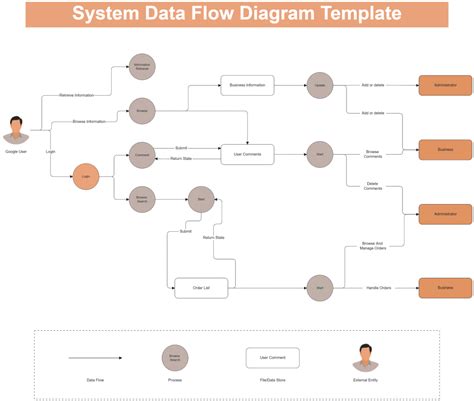
AdvancedBackgroundChecks collects the following types of consumer data:
- Identifiers: This includes information such as the device used to access their applications and your IP address.
- Internet or other similar network activity: They use various technologies to gather information about your movements around their applications. This is used to analyze trends and administer the applications.
- Geolocation Data: This is data that indicates your general location.
- Protected classification characteristics under California or federal law: This includes information such as your age, race, and gender.
- Information about your use of their applications: This includes the frequency and duration of your use and the content you interacted with.
- Purchase History Information: This is data on the products and services you have purchased from us.
- Billing or Financial Information: This includes data such as your credit card number and billing.
This data is collected through:
- Direct Interactions: You may provide them with your information when you fill out a form, register for an account, or contact customer service.
- Automated Technologies or Interactions: As you interact with their applications, they may automatically collect technical data about your equipment, browsing actions, and patterns.
The Imperfect Nature of Data Aggregation
Advanced Background Checks get most of their information from public records, like any other data broker. However, the information it provides (and the data that appears in background reports) isn’t always accurate. These errors are unavoidable through human submissions, typos, and endless technological pitfalls. Because ABC uses data from public databases, false information may be attached to a consumer. These errors are unavoidable through human submissions, typos, and endless technological pitfalls.
Understanding Your Opt-Out Rights: A Patchwork of Privacy Laws
Not all consumers are entitled to the removal of their information from public searches. Endato and Enformion have passages on their respective opt out pages referencing geolocation bylaw compliance. Data privacy law is in its infancy, so only a few states have relevant opt out laws. Residents of California, Colorado, Connecticut, and Virginia have opt out rights, with different effects. California and Virginia have suppression rights, hiding new information associated with an opted out consumer.
Under CCPA and similar privacy laws, data brokers must honor removal requests from consumers. However, they may require identity verification to confirm you are who you claim to be. Laws like GDPR allow individuals to request the deletion of their personal data under certain conditions.
Direct Removal from Advanced Background Checks: A Step-by-Step Approach
To stop others from finding your personal information on Advanced Background Checks, you need to complete an opt-out request. To remove yourself from AdvancedBackgroundChecks, you must complete an online opt-out form. The process to delete your advancedbackgroundchecks profile requires patience and persistence, but it's entirely possible to accomplish on your own. AdvancedBackgroundChecks should have a removal mechanism, though the exact location and process may vary.
Here's a detailed breakdown of the process:
- Locate Your Profile URL: Before starting the opt-out process, it's highly recommended to locate your profile URL. This can be achieved by entering your full name and location into the search criterion spaces on the main page of AdvancedBackgroundChecks.com. If your name and location are overly common, enter your age to narrow down the results.
- Identify Your Record: On the results page, you will see numerous entries, a significant number of which are "Sponsored." These sponsored links will redirect you away from the opt-out process. Carefully scroll past these sponsored records and locate the record most closely associated with your exposed information.
- Initiate the Removal Request: Open the ABC Contact Us page in a new tab. Click on the topic drop-down bar and then select the "How do I remove my information" option. The page will update automatically. Scroll past the "Remove Your Record" button, as this will redirect you to the online form.
- Utilize the ABC Removal Tool: Alternatively, you can directly use the ABC Removal Tool. Read the instructions to familiarize yourself with the process. The following page offers areas for basic consumer data. Enter your name and location. If the name has a high occurrence rate in your local area, enter your age.
- Navigate to the Removal Button: On the results page, scroll past the blue Sponsor records. A secondary button, specifically for removal, will now be present at the top of your profile page. This button is not visible during normal site usage. Click the orange "Remove My Record" button to continue.
- Submit the Removal Request: A record removal request notification will appear. Click the teal button in the middle of the message area. Once the link is clicked, the consumer-side process finishes. A new page will open in your most recently used browser, displaying a confirmation page.
- Complete the Online Form: Enter the requested information into the spaces provided on the online form. This includes your first, middle, and last name, along with your resident address, city, state, and zip code. Users must answer every inquiry on the form before submitting it.
How to Manually Remove a Record on Advanced Background Checks [dot] Com
Engaging with Endato and Enformion: Deeper Data Removal
While opting out of ABC directly is a crucial step, your information may persist through its data aggregators, Endato and Enformion. Opting out of these services will go further than only opting out of ABC.
Endato Opt-Out Process
The Endato opt-out process is outlined on their website. It's important to note that while the impact isn't as significant as the Enformion option, it will remove your data from a more foundational layer.
Enformion Opt-Out Process: A More Involved Path
In comparison, the Enformion opt-out process is more involved. The link to opt out of Enformion is available through their information channels. However, the process requires a Social Security Number to complete. This is presumably due to the wide-reaching influence of Enformion; removing data from affiliates' usage is an identity-testing endeavor for them. The form requires you to add a street address, a date of birth, and the last four digits of the associated SSN.
For residents of California, Virginia, Colorado, and Connecticut, you can request data removals from Endato and Enformion using their respective forms. When making a data privacy inquiry, the page shows an optional space for a profile URL address, which should be located before accessing the page for the easiest route.
Monitoring and Verification: Ensuring Your Data is Gone
Regardless of the method chosen above, consumers must return to check the status of data associated with them. The most straightforward way of checking for the data is by searching on ABC. When the opt-outs are successful, no records will appear with the information (unless newly generated following a deletion).
It may take up to a month to receive responses from Endato and Enformion. If the judgment turns negative, message the respective company to begin an appeals process.
Google maintains cached versions of web pages that may persist for weeks or months after removal from the original source. However, once AdvancedBackgroundChecks removes your profile, you can request removal from Google Search Console.
Beyond ABC: A Holistic Approach to Online Privacy
AdvancedBackgroundChecks.com is just one of many data brokers selling your personal details online. Removal from one data broker is an important step, but it's not complete privacy protection. Your information exists in many other databases.
The Role of Data Brokers
Data brokers collect and sell personal information. Most data brokers have opt-out procedures. Be prepared for a potentially lengthy process, and be persistent. Conducting regular audits of your online presence is crucial.
Advanced Strategies for Data Removal
While manual removal is effective, it's also time-consuming and requires significant follow-up. Specialized data removal services can automate this process, handling removals across multiple data brokers. Services like GhostMyData or Optery can manage this for you, though these services often come with associated costs.
SEO (Search Engine Optimization) can be used to suppress negative information in search results. Conduct a thorough analysis of your digital footprint. Consider using specialized data removal services. Set up Google Alerts and similar services to monitor mentions of your name online. Actively create and promote positive content about yourself or your brand. Incorporate content marketing strategies to boost your positive online presence.

Legal Counsel and Professional Assistance
In complex cases, or when dealing with non-compliant databases, seeking legal counsel can be beneficial. If the process becomes overwhelming or if your attempts to remove information are unsuccessful, it’s prudent to seek professional assistance. Companies like ReputationUp specialize in managing and protecting online reputations.
Important Considerations and Next Steps
- Verification is Crucial: Always request written confirmation of removal. After the removal window (typically 30-45 days), search for your profile again. Take screenshots showing that your profile no longer appears.
- Data Re-listing: Data brokers sometimes re-add information from new sources. This is why monitoring is important. If your information reappears, you can submit another removal request.
- Comprehensive Approach: We recommend a comprehensive approach using data broker comparison tools to identify all platforms where your data appears, then systematically removing it from all of them.
- Proactive Privacy: Be mindful of what you share on social media. Proactively create positive, professional content to improve your online image.
Your personal information is valuable - to data brokers, to employers reviewing background checks, and to anyone with malicious intent. Whether you choose to handle advancedbackgroundchecks removal manually or use an automated service, the key is to take action now. Start with a free scan to see exactly where your data appears online. Don't wait - your privacy matters.
tags: #advanced #background #check #removal