In the ever-evolving landscape of digital photography, a significant shift is underway, driven by the integration of Artificial Intelligence (AI) into editing workflows. For photographers seeking to enhance their images with precision, speed, and artistic flair, AI presets for Adobe Lightroom represent a powerful new frontier. These intelligent tools move beyond traditional, static presets, offering dynamic and adaptive solutions that cater to the unique characteristics of each photograph. This article delves into the world of AI presets, exploring their capabilities, the underlying technology, and the profound impact they are having on the creative process.
The Genesis of Intentional Editing: From ICU Nurse to Preset Pioneer
The journey into the realm of AI presets is deeply intertwined with the passion and entrepreneurial spirit of individuals like the founder of Lemon and Lace Studios. With a background as an ICU nurse, the drive to build a business and pursue a creative passion led to the establishment of Lemon and Lace Presets in 2016. The core mission was clear: to provide affordable presets to photographers, offering unparalleled value. This dedication to passion, whether in capturing moments through a lens or actively creating, forms the bedrock of innovation in this field. The overwhelming success, evidenced by over 230 five-star reviews, underscores the demand for such thoughtfully developed tools.
A New Era of Editing: Rooted in Film, Powered by Precision
The advent of AI presets signifies a "new era of intentional editing." This approach is "rooted in film" aesthetics, drawing inspiration from the rich, nuanced tones and emotional depth characteristic of traditional film stocks. However, this is not merely a nostalgic replication; it is "powered by precision," leveraging cutting-edge AI technology to achieve consistent, cinematic, and emotionally resonant color grading. This dual focus ensures that photographers can achieve both artistic vision and technical accuracy in their edits.
Adaptive AI: The Intelligent Core of Modern Presets
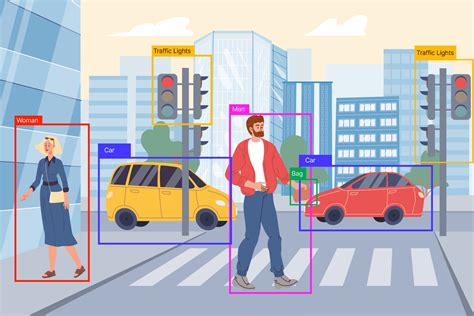
At the heart of these advanced presets lies "Adaptive AI." These tools are engineered to utilize "Adobe’s latest AI" capabilities, enabling them to "intelligently detect subjects, skies, and backgrounds." This sophisticated detection allows the presets to apply adjustments selectively and effectively, freeing photographers to "focus on creating" rather than getting bogged down in intricate masking and selection processes.
Imagine a portrait where the subject's skin tones need subtle enhancement while the background remains softly blurred. An AI preset can identify the subject, apply targeted adjustments to the skin, and intelligently process the background, all within a single click. Similarly, in landscape photography, AI can differentiate between the sky, foreground, and any mid-ground elements, applying sky-specific enhancements like improved color saturation or detail recovery without affecting the rest of the image. This level of granular control, previously requiring extensive manual work, is now accessible through AI-driven presets.
Intuitive Masking and Creative Toolkits: Empowering the Photographer
Beyond subject detection, AI presets introduce "Intuitive Masking." Each preset is "layered with handcrafted AI-powered masks." This means that instead of a one-size-fits-all approach, the presets come with pre-defined, intelligent masks that have been meticulously crafted. These masks ensure that the intended aesthetic is applied precisely where it's most effective, delivering "beautiful control without the technical overwhelm." For photographers who may not be experts in complex masking techniques, this feature democratizes advanced editing.
Furthermore, these are not just simple presets; they are comprehensive "Creative Toolkits." "Every collection includes a refined editing system, not just presets, but adaptive tools that save time and keep you in flow." This holistic approach recognizes that a photographer's workflow is a dynamic process. These toolkits provide a structured yet flexible system, allowing for seamless integration into existing editing habits and encouraging a continuous creative momentum. This means that a photographer can apply a base look with a preset, then further refine it using the accompanying adaptive tools, all while maintaining a sense of creative continuity.
The Cinematic Appeal: Film Looks and Complete Creative Control
The inspiration drawn from "real film stocks" is a critical element, having been "tested on 25,000+ images." This extensive testing ensures that the resulting color palettes are not only visually appealing but also "cinematic, consistent, and emotionally rich." The goal is to evoke the mood and atmosphere of film photography, a look that remains highly sought after for its timeless quality and evocative power.
Despite the automation and intelligence offered by AI, the photographer remains firmly in command. The concept of "Complete Creative Control" is paramount. Users are empowered to "fine-tune every layer, every mask, every tone." The AI tools "adapt, but you stay in charge." This is a crucial distinction; AI acts as an intelligent assistant, not a replacement for the photographer's vision. It streamlines the technical aspects, allowing the artist to focus on the creative decisions that define their unique style.
Mastering Light, Tone, and Emotion: Reconnecting with the Process
The ultimate aim of these AI presets is to help photographers "Master Light, Tone & Emotion." The tools are "designed to highlight your voice and move your viewer." By providing sophisticated control over these fundamental elements of photography, AI presets enable a deeper connection between the photographer's intent and the final image's impact.
This leads to a powerful shift in the editing experience: the ability to "Reconnect to the Process." Instead of viewing editing as a chore, it can be transformed into a "creative ritual." The efficiency and intelligence of AI presets remove friction points, allowing photographers to immerse themselves in the artistic act of refining their images. This fosters a more mindful and enjoyable editing experience, where the technical execution supports, rather than hinders, creative expression.
How to COLORGRADE like the PROS (Simple )
Understanding the Nuances: Profiles, Develop Adjustments, and Personal Strategies
The concept of "profiles" within Lightroom is a key area that can sometimes be overlooked, especially when compared to more prominent adjustments like tone curves or basic settings. These profiles are akin to different "camera modes available in a particular camera's menu," primarily influencing how the camera interprets and renders color and tone, and by extension, how Lightroom processes RAW files. When "varying the profile used for processing a Raw," or when a profile is "varying what it does," it can indeed "take longer and be more complicated to learn what all the Develop adjustments do." This complexity, however, is also an opportunity for deeper understanding and developing personalized editing strategies.
For those learning Lightroom, a recommended approach is to "stick with a quite 'flat' camera profile." This provides a neutral starting point, allowing the photographer to build their desired look from the ground up. Coupled with "fairly neutral and conservative default settings for sharpening and such," this strategy enables a clearer understanding of how individual adjustments impact the image. From this stable foundation, one can then "explore the myriad pictorial looks possible from there." This method encourages an active approach: "one actively makes happen whatever 'enhancement' one wants, rather than reacting passively to different pre-made options." While it might appear to be "more work to carry out," the learning and control gained are significant. It's important to remember that "there is no right or wrong about any of this," and the most effective approach is the one that aligns with the individual's creative goals and learning style.
The Business of Presets: Licensing and Intellectual Property
The sale and distribution of digital assets like presets are governed by specific terms and conditions, particularly concerning licensing. Due to the "downloadable nature of the product, there are no refunds." This policy is standard for digital goods, as they cannot be physically returned. The licenses granted are typically for "personal or professional use" and extend to the "single, individual purchaser." This means that the license "does not extend to companies or partnerships and may not be resold, loaned, and/or gifted to another individual and/or party."
Strict measures are in place to protect the intellectual property of preset creators. Users are informed that they "may not share, loan or redistribute/sell or copy any of these files in any way." This is because "All Presets, Actions, Overlays, and Digital Backdrops by Pretty Presets & Actions are copyright protected." Adherence to these terms ensures that creators can continue to develop and offer these valuable tools while protecting their work from unauthorized distribution. The finality of "all digital sales are final sales" reinforces the importance of understanding these terms before purchase.
The Future of Photography: AI as a Creative Partner
AI presets for Lightroom are more than just editing shortcuts; they represent a paradigm shift in how photographers approach their craft. By harnessing the power of artificial intelligence, these tools democratize advanced editing techniques, streamline workflows, and empower photographers to achieve their creative vision with unprecedented ease and precision. Whether drawing inspiration from the timeless appeal of film or embracing the cutting edge of AI technology, the future of photography is one where human creativity and intelligent automation work in concert, leading to breathtaking results. The ability to intelligently detect elements within an image, apply sophisticated masking, and offer a consistent, cinematic aesthetic transforms the editing process from a technical hurdle into an intuitive, expressive ritual. This allows photographers to focus on what truly matters: telling stories through their images and connecting with their audience on an emotional level.