Walt Disney, the visionary behind a global entertainment empire, was a man who cultivated an image of wholesome magic and childhood wonder. Yet, behind the scenes, a more complex reality unfolded, one that the Walt Disney Company has, for decades, actively sought to obscure from public view. As Walt Disney’s “Florida Project” - the ambitious undertaking that would become Walt Disney World - was coming to life in the mid-to-late 1960s, the man himself was grappling with a devastating illness: terminal lung cancer. The depth of his lifelong smoking habit, a personal struggle he desperately tried to conceal from the public eye, was revealed in detail only in the years following his death. This hidden aspect of his life has led to a curious phenomenon within the Disney Parks and archives: the phantom cigarette, airbrushed out of countless photographs, leaving behind a legacy of altered images and whispered speculation.
The Ubiquitous Smoke: Walt's Lifelong Companion
Walt Disney's affinity for cigarettes was well-documented among those close to him. He reportedly smoked an astonishing three packs a day, a habit that persisted throughout his adult life. His preferred brand was Lucky Strike, and he was so rarely seen without one between his pointer and middle fingers that this iconic gesture is often cited as the inspiration for the famous "two-finger Disney point" adopted by cast members. This habit was not a secret to his inner circle. His persistent hacking, dry cough became a dreaded sound among his employees, who regarded it as an audible signal of Walt's impending arrival, and it was equally concerning to his own family.
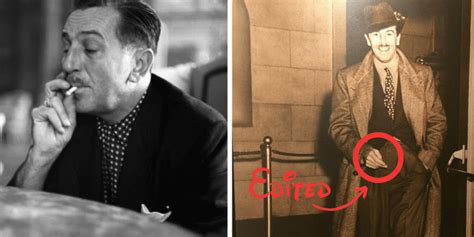
Despite the ubiquity of his smoking in private life, Walt was acutely aware of the image he projected. He never wanted to be photographed with a cigarette, as he felt it would set a bad example for the children who adored his creations. This personal conviction, coupled with the growing awareness of the health risks associated with smoking, led to a deliberate effort to sanitize his public image. Even after his death, this effort continued, manifesting in the meticulous airbrushing of cigarettes from photographs displayed in his beloved theme parks and within the Disney Archives.
The Art of Erasure: Photoshop's Predecessor in Action
The practice of removing cigarettes from Walt Disney’s photographs predates the widespread use of digital editing software like Photoshop. In the era before digital manipulation, this was a painstaking process of hand-editing. It’s alleged that these carefully crafted images, devoid of the tell-tale white cylinder, are what inspired the now-famous two-finger Disney point. The intention behind this alteration was clear: to shield impressionable young visitors from the reality of their idol's smoking habit. The company began airbrushing out the cigarettes in Walt Disney portraits long before the opening of Walt Disney World, leaving many images of Disney in a peculiar "two-finger point" pose.
The extent of this alteration is significant. Digging through the Disney Archives, one can find photo after photo where cigarettes have been meticulously removed. Sometimes, the lingering wisps of smoke serve as the only clue to the original image. This practice extended to various aspects of Walt's life. Beyond just cigarettes, other potentially controversial or sensitive aspects of his life have also been subject to alteration or omission in official portrayals. This includes, according to some accounts, depictions of Disney receiving a dishonorable discharge from the military during World War II, claims that he was born out of wedlock, and reports that he left Disney executives explicit directions on how to run the company after his death.
The Two-Finger Point: A Tribute or a Cover-Up?
The persistent "two-finger Disney point" has become an iconic gesture associated with the company. While often presented as an homage to Walt's leadership style, an anonymous Disney employee confirmed to the Huffington Post in 2015 that the gesture is, in fact, a "murky tribute to Walt Disney’s smoking habits." The employee stated they were informed by a "lead" that the strange gesture seen from cast members at Disney parks is actually based on Walt’s old smoking habit. This claim suggests a deliberate, albeit indirect, acknowledgment of Walt's smoking, while simultaneously avoiding direct confrontation with the reality of his addiction and its fatal consequences.
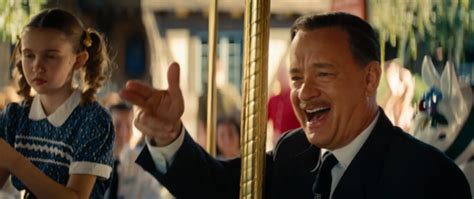
This speculation gained significant traction with the release of the 2013 film "Saving Mr. Banks," which starred Tom Hanks as Walt Disney. Hanks himself confirmed the speculation in an interview on "The Ellen DeGeneres Show," recounting that the gesture was indeed an attempt to subtly reference Walt's smoking. Though Disney Parks has never officially commented on this specific interpretation of the two-finger point, the widespread belief among fans and the actor's own testimony lend considerable weight to the theory.
The Ethics of Erasure: Honesty vs. Image Management
The question of whether Disney should be more honest about Walt's smoking habit remains a point of contention among fans. Some, like Reddit user u/TheMadMason, believe that the company should have left the original photos intact, perhaps with a disclaimer: "I think they should have left them in myself and added a disclaimer that Walt died early due to smoking." This perspective advocates for transparency and sees the altered images as a form of historical revisionism.
Other fans argue that honesty about Walt's addiction could serve a valuable educational purpose. User u/Majestic-Pair9676 suggested, "It’s actually a good thing to introduce your kids to the concept of drugs and addiction early on; show them the consequences as kids so that they know how it ends." This viewpoint emphasizes the potential for public figures' struggles to serve as cautionary tales, particularly for younger audiences.
History of Smoking and the Tobacco Industry's Efforts to Hide the Dangers
However, the Walt Disney Company's stance has historically prioritized the protection of its carefully crafted image, especially concerning its young audience. In 2007, The Walt Disney Company issued a statement addressing concerns about smoking in its films, declaring, "We discourage depictions of cigarette smoking in Disney, Touchstone and Miramax films. In particular, we expect that depictions of cigarette smoking in future Disney branded films will be non-existent." This policy reflects a long-standing commitment to limiting the portrayal of smoking, particularly in content marketed to youth.
A Lingering Presence: Where the Unedited Images Reside
Despite the pervasive airbrushing, hints of the original photographs can still be found. One Disneyland Resort fan, u/person_reddit, shared on Reddit that "You can see the original, un-edited version of this photograph at Carthay Circle. Just ask your host to point it out!" This suggests that while public-facing displays have been meticulously curated, unedited versions may exist in less accessible archives or specific locations within the resorts, available to those who know where to look or who specifically inquire.
The existence of "The Tobacco Shop" on Main Street, U.S.A. when Disneyland first opened in 1955, where visitors could purchase branded cigarettes, pipes, and other smoking accessories, further highlights the complex relationship Disney had with smoking. This shop operated until 1990, eventually becoming a source of collector's items like Disneyland matchbooks and pipes. This historical detail underscores the societal norms of the time, where smoking was more prevalent and less stigmatized, a stark contrast to the company's later efforts to erase any visual evidence of Walt's personal indulgence.
The story of Walt Disney's hidden smoking habit and the subsequent airbrushing of his photographs is a fascinating case study in brand management, historical narrative, and the ongoing tension between public image and personal reality. While the company's efforts to present a pristine image are understandable given its target audience, the persistent whispers and unearthed evidence raise questions about the ethics of altering history, even with the best intentions, and the enduring power of truth to surface, one phantom cigarette at a time.