Collagen peptides have surged in popularity within the wellness community, lauded for their potential benefits ranging from enhanced skin elasticity and joint comfort to improved muscle mass. However, as more individuals integrate these supplements into their daily routines, a practical and increasingly common question arises: "Does collagen make you poop?" While the primary associations with collagen often lean towards aesthetic and structural benefits, emerging research is shedding light on its less-discussed role in digestive health, including its impact on bowel movements. This exploration delves into the current scientific understanding, potential mechanisms, and practical considerations surrounding collagen peptides and their effect on digestive regularity.
Understanding Collagen and Its Digestive Relevance
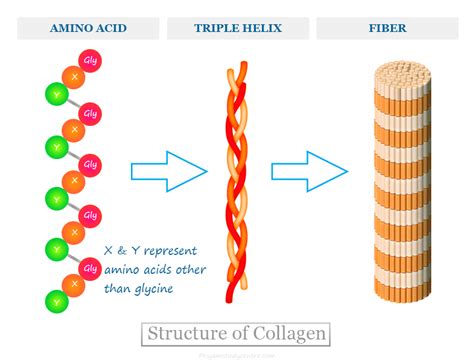
Collagen, the most abundant protein in the human body, serves as a fundamental building block for connective tissues, including skin, bones, tendons, cartilage, and the intestinal lining. Its structural integrity is crucial for maintaining the health and function of various bodily systems. Collagen peptides, also known as hydrolyzed collagen, are derived from collagen through a process that breaks down the large protein molecules into smaller, more easily absorbable amino acid chains. This enhanced bioavailability makes them a popular choice for supplementation.
While collagen's role in skin health, joint function, and muscle support is more widely recognized, its significance for the gastrointestinal tract is gaining traction. The gut lining, essential for immune function and nutrient absorption, relies on collagen for its structural integrity. Research has indicated that collagen levels may be lower in individuals experiencing digestive challenges, suggesting a potential link between collagen status and gut health. Furthermore, certain amino acids abundant in collagen, such as glutamate and glycine, play vital roles in the enteric nervous system and gut-brain axis communication, underscoring collagen's multifaceted influence on digestion.
Emerging Research on Collagen and Bowel Movements
The question of whether collagen peptides influence bowel movements is an area of active investigation, with preliminary research offering intriguing insights. A notable two-phase clinical study explored the effects of daily collagen peptide supplementation on digestive health markers in healthy women. The initial phase revealed that a significant portion of consumers were unaware of collagen's potential relevance to gut health. The subsequent phase involved baseline measurements of digestive health, stool characteristics, and lifestyle factors, followed by an eight-week period of daily supplementation with 20 grams of bovine collagen peptides, divided into two servings.
The results from this study indicated a substantial positive impact on digestive well-being. A remarkable 93% of participants who completed the study reported noteworthy improvements in digestion, including reductions in bloating and abdominal discomfort. Crucially, bowel movement frequency was also positively affected, with 94% of participants experiencing an increase. More specifically, a subset of participants who historically had infrequent bowel movements (once per week or less) reported achieving daily bowel movements after initiating collagen supplementation.
While these findings are promising, the exact mechanisms driving these changes are still being explored. Potential explanations include shifts in gut microbiome composition due to the increased protein load, or simply an increase in water consumption that often accompanies supplement intake. The researchers acknowledge that this area of study is nascent, and further research is needed to definitively elucidate how collagen supplementation might assist with laxation.

The Role of Amino Acids in Digestive Support
The specific amino acid profile of collagen peptides contributes to their potential digestive benefits. Glutamate, one of the primary amino acids found in collagen, acts as a critical signaling molecule within the enteric nervous system, the intricate network of neurons that governs gastrointestinal function. This signaling capacity is important for maintaining healthy gut-brain axis communications, which influence everything from digestion to mood.
Another key amino acid, glycine, also delivered via collagen peptides, has been shown to support the stomach lining. Furthermore, some collagen formulations incorporate additional gut-centric bioactive compounds, such as L-glutamine. L-glutamine is a vital nutrient for intestinal cells, serving as a primary fuel source that supports the integrity of the gut barrier. Research suggests that glutamine can help reduce inflammatory processes in the intestinal wall and improve intestinal permeability, thereby bolstering digestive health and integrity.
Potential Mechanisms Behind Collagen's Effect on Bowel Movements
The observation that collagen peptides may influence bowel movements, while not a universal outcome, can be attributed to several potential mechanisms:
- Increased Protein Load and Gut Microbiome Modulation: Collagen is a protein, and an increased protein intake can influence the composition and activity of the gut microbiome. Different bacteria thrive on different substrates, and a shift in available nutrients might lead to changes that impact bowel regularity.
- Hydrophilic Nature and Hydration: Collagen molecules are hydrophilic, meaning they attract water. When consumed, collagen may draw water into the intestines, softening stool and facilitating its passage. This effect is particularly relevant if individuals increase their fluid intake alongside collagen supplementation.
- Amino Acid Signaling: As mentioned, amino acids like glutamate and glycine play roles in gut motility and mucosal health. Their presence in collagen peptides could contribute to improved digestive function.
- Gut Barrier Support: Collagen's role in maintaining the integrity of the intestinal lining may indirectly influence bowel movements by promoting a healthier digestive environment. A compromised gut barrier can lead to inflammation and dysregulation, which can manifest in altered bowel habits.
Factors Influencing Individual Responses
It is crucial to recognize that individual responses to collagen supplementation can vary significantly. Several factors can influence whether someone experiences changes in their bowel movements:
- Dosage: While research studies often use doses around 20 grams per day, higher intakes might increase the likelihood of digestive changes in some individuals. The Cleveland Clinic suggests a typical recommended dosage of 10-20 grams per day.
- Hydration Levels: Adequate water intake is paramount for digestive health, especially when consuming protein supplements. Without sufficient fluids, the colon absorbs more water from the stool, leading to harder, more difficult-to-pass stools and potentially constipation. Protein digestion itself requires water, and increased protein intake from collagen may necessitate higher fluid consumption.
- Dietary Fiber Intake: Collagen peptides are essentially pure protein and contain no dietary fiber. Fiber adds bulk and softness to stool, aiding its smooth passage through the intestines. If collagen intake replaces fiber-rich foods or is not balanced with sufficient fiber from other sources, it can contribute to slower bowel movements.
- Product Formulation and Additives: Not all collagen supplements are created equal. Some products may contain added ingredients such as sweeteners, thickeners, artificial flavors, or minerals like calcium and iron, which can independently affect digestion. These additives can sometimes cause digestive upset, including bloating, gas, or constipation, in sensitive individuals. Choosing "clean" collagen products with minimal ingredients is advisable.
- Individual Digestive Sensitivity: Each person's digestive system is unique. Pre-existing digestive conditions, differences in gut microbiome composition, stress levels, and overall dietary patterns can all influence how an individual reacts to a new supplement like collagen. Some people may be more sensitive to changes in protein intake or the presence of certain ingredients.
Addressing Potential Digestive Concerns: Constipation and Beyond
While collagen is generally well-tolerated, some individuals may experience digestive discomfort, most commonly constipation. This is typically not a direct effect of collagen itself but rather a consequence of the factors mentioned above.
Strategies for Managing Constipation
If constipation is a concern when taking collagen peptides, several practical strategies can be employed:
- Ease into Supplementation: Begin with a lower dose (e.g., 5 grams per day) and gradually increase it over several weeks. This allows the digestive system to adapt to the increased protein load.
- Prioritize Hydration: Ensure consistent and adequate fluid intake throughout the day. Aim for at least 8-10 cups (2-2.5 liters) of water daily, adjusting based on activity levels and climate.
- Boost Fiber Intake: Consciously include fiber-rich foods in your diet, such as fruits, vegetables, whole grains, legumes, nuts, and seeds. If dietary intake is insufficient, consider a fiber supplement like psyllium husk or acacia fiber, ensuring to increase water intake simultaneously.
- Choose Clean Formulations: Opt for collagen supplements with minimal ingredients, avoiding artificial sweeteners, gums, and other additives that might cause digestive irritation. Look for third-party tested products for purity and quality.
- Integrate with Meals: Taking collagen with meals, particularly those containing healthy fats or fiber, may support better absorption and reduce the risk of gastrointestinal symptoms. Mixing collagen into smoothies, yogurt, or oatmeal can be beneficial.
- Monitor Overall Protein Intake: Ensure that collagen intake fits within a balanced dietary protein framework. Extremely high protein consumption without adequate carbohydrates and fats can sometimes lead to digestive issues.
Other Digestive Side Effects
While constipation is a common concern, some individuals may experience other digestive symptoms such as bloating, gas, or even temporary diarrhea. These effects are often mild and transient, typically subsiding as the body adjusts. If these symptoms persist or are severe, it is advisable to reduce the dose, switch to a different product, or discontinue use and consult a healthcare professional.
Collagen and Bowel Obstruction: A Misconception
It is important to address a common misconception: collagen supplements do not directly cause bowel obstruction. Bowel obstructions are serious medical conditions typically linked to underlying issues like Crohn's disease, scar tissue from surgery, or other structural abnormalities within the digestive tract that physically block the passage of food and waste. While constipation can cause discomfort, it does not equate to a bowel obstruction. When collagen is consumed within recommended guidelines and with adequate hydration and fiber, it poses no risk of causing a blockage.
Broader Benefits of Collagen Supplementation
Beyond its potential impact on digestion, collagen supplementation is associated with a range of other health benefits, supported by varying degrees of scientific evidence:
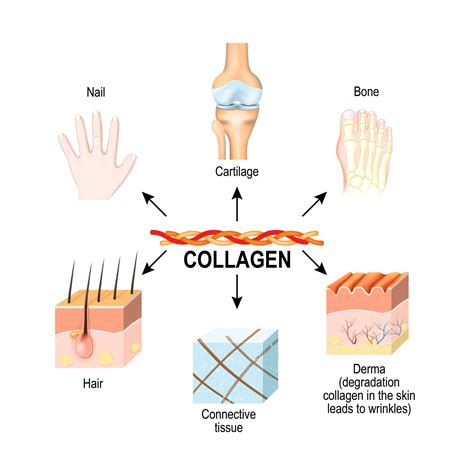
- Skin Health: Collagen is a primary component of skin, contributing to its elasticity and hydration. Supplementation may help reduce the appearance of fine lines and wrinkles and improve skin texture.
- Joint Health: Collagen provides structural support to cartilage, the tissue that protects joints. Studies suggest that collagen peptides may help improve joint comfort and reduce symptoms of osteoarthritis.
- Nail and Hair Health: Some research indicates that collagen supplementation can lead to improved nail growth rates and reduced breakage, as well as potentially contributing to thicker, healthier hair.
- Muscle Health: As a protein, collagen provides amino acids essential for muscle repair and growth. Studies have shown that collagen supplementation, particularly when combined with exercise, may support increased muscle mass.
- Bone Health: Collagen is a significant component of bone structure. Some research suggests that collagen peptides may enhance bone density, especially in postmenopausal women.
Conclusion: A Balanced Perspective on Collagen and Digestion
The emerging research on collagen peptides and their effect on bowel movements suggests a potential for positive influence, with some studies indicating increased frequency and improved digestive comfort. However, it is crucial to approach this topic with a balanced perspective. While collagen itself is not inherently a constipating agent, individual responses can be influenced by dosage, hydration, fiber intake, product formulation, and personal digestive sensitivity.
For most individuals, collagen peptides can be a beneficial addition to a wellness routine without causing significant digestive distress. By adopting mindful supplementation practices-including adequate hydration, sufficient fiber intake, choosing clean products, and starting with a conservative dose-the potential for digestive discomfort can be minimized. As research in this area continues to evolve, a comprehensive understanding of collagen's role in digestive health will further empower individuals to make informed choices for their overall well-being.
When considering any new supplement, especially if you have pre-existing health conditions, allergies, or are taking medications, consulting with a healthcare professional is always recommended to ensure it aligns with your individual health needs and goals.