The digital landscape, while a powerful tool for connection and expression, harbors a dark underbelly where malicious intent can manifest in the most disturbing ways. This was starkly illustrated when the daughter of renowned artists Cardi B and Offset, Kulture, became the target of a deeply offensive and graphic photoshop scandal. The incident, which emerged on November 4, saw social media users sharing doctored images that depicted the young child in sexually explicit and violent scenarios with her father. The sheer depravity of these fabricated images ignited a fiery and impassioned response from both parents, highlighting the devastating impact of online harassment on individuals and families, particularly when it involves innocent children.
The initial shock and horror quickly escalated into outrage as Cardi B, known for her unfiltered and outspoken personality, unleashed a torrent of anger directed at the perpetrators of this vile act. During an impassioned response, she exclaimed, "Y’all take things too fcking far." Her words conveyed a profound sense of disbelief and disgust at the lengths to which some individuals would go to inflict pain and distress. She revealed the graphic nature of the edited pictures, stating, "Y’all been fcking doing edit[ed] pictures of my daughter getting fcked by her dad on some real weirdo sht. Y’all been fcking posting under pictures that y’all wish my daughter getting fcking raped." This detailed account underscored the extreme and disturbing nature of the abuse.
Cardi B didn't just express her anger; she also challenged the twisted mentality driving such actions. She posed a series of rhetorical questions, probing the minds of those responsible: "Why do y’all think like that? Why do y’all do that?" This interrogation aimed to expose the moral bankruptcy and profound lack of empathy that allows such cruelty to fester. She further warned of consequences, stating, "Now, when we started getting real fcking funny, sht ain’t gonna be f*cking funny no more." This declaration signaled a shift from mere condemnation to a resolute stance against further harassment. The Grammy-winning artist concluded her powerful statement by reaffirming her unwavering commitment to sharing her life and her children, asserting that online abuse would not intimidate her.
The incident occurred in the wake of other public events, including Cardi B's endorsement of Kamala Harris at a rally in Wisconsin, which had led to a widely publicized exchange with Elon Musk over the weekend. While these events highlight Cardi B's prominent public profile, the photoshop scandal brought the focus back to the intensely personal and vulnerable aspect of her role as a mother. The sheer horror of the situation was echoed by Offset, who, while not engaging in a lengthy rant like his wife, conveyed his own profound disgust.
Offset made it unequivocally clear that those responsible for the fabricated images were not fans in any sense of the word. He tweeted, "You ppl are disgusting on here with my kids. Inappropriate post wtf do you get from doing that God gone get you!!!" His words resonated with the gravity of the situation, emphasizing the deeply inappropriate and morally reprehensible nature of the content being shared. The sentiment of disgust was palpable, reflecting the shared outrage of parents and those who understand the sanctity of childhood.
While the overwhelming sentiment was one of sympathy and support for Cardi B and Offset, a small segment of online discourse attempted to shift blame. Some fans, in the replies to Offset's tweet, suggested that Cardi B's own past interactions on social media might have contributed to the animosity. They pointed to instances where the "WAP" rapper had engaged in heated exchanges, with screenshots circulating that showed her saying "f*ck your kids" to an Instagram user. While such statements are undoubtedly inflammatory and inappropriate, it is crucial to distinguish between verbal insults, however harsh, and the creation and dissemination of deeply disturbing, sexually explicit, and violent fabricated images of a child. The latter represents a far more egregious and harmful level of transgression.
Despite the frustration and anger, Cardi B remained resolute in her refusal to be silenced. She declared, "Y’all not gonna silence me. I don’t give a fck about nobody else’s m**** kids. I don’t bother nobody. Y’all not gonna make me not wanna brag about my f##### kids because of y’all m########### insecurities and y’all f##### weirdness." This powerful statement underscored her determination to continue sharing her life and celebrating her children, refusing to let the malice of a few dictate her expression and joy.
The outrage over the doctored images also brought to light Offset's deep paternal affection. He has been notably vocal about the significance of his daughters in his life. In an interview with Good Morning America, he shared his approach to parenting, revealing a softer side when it comes to his girls. "For my girls, I’m a softy," he confessed. "For boys, I’m a disciplinarian, 'cause I know, like, boy, it's gonna be tough for you, no matter if you got money." This tender revelation further emphasized the painful irony and cruelty of the photoshop attack. His devotion to his daughters was also visibly demonstrated when he featured them on the cover of his 2019 album, "Father of 4," a testament to their central role in his life and artistry.
This incident, while particularly egregious, also occurs within the context of Cardi B and Offset's often turbulent public relationship. The couple has experienced periods of intense public scrutiny regarding their differences, with their "dirty laundry" being aired with surprising frequency. However, when it comes to their children, they have consistently presented a united front. This was evident in October when Child Protective Services was involved, and Cardi B was quick to assure fans that Offset was not to blame, stating, "He a loser but he didn’t do that." This solidarity in protecting their children, even amidst personal difficulties, highlights the primal instinct of parents to shield their offspring from harm.
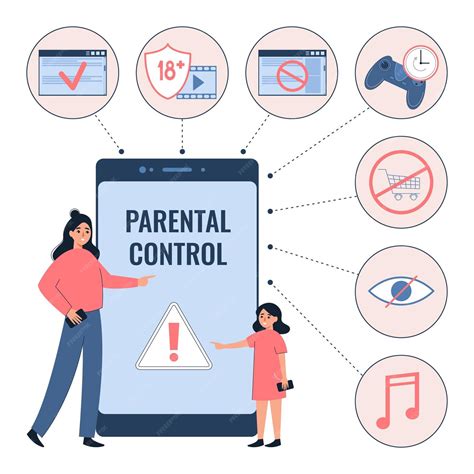
The psychological impact of such online attacks, especially on a child who is too young to comprehend the malice directed at her, is immeasurable. While the perpetrators may hide behind anonymous online profiles, their actions have real-world consequences, fostering an environment of fear and anxiety for the targeted family. The incident serves as a stark reminder of the ethical responsibilities that come with online engagement and the urgent need for greater accountability and robust measures to combat the spread of harmful and abusive content.
The sheer audacity of creating and distributing such images raises profound questions about the motivations behind online harassment. Is it a desperate cry for attention, a manifestation of deeply ingrained insecurities, or a deliberate attempt to inflict maximum emotional damage? Regardless of the underlying reasons, the outcome is the same: the violation of an individual's privacy and the terrorization of a family. The incident involving Cardi B and Offset's daughter is not merely a celebrity gossip story; it is a critical case study in the darker dimensions of the internet and a call to action for a more compassionate and responsible digital society.
How cyberbullying can affect your child's mental health
The ease with which such disturbing content can be created and disseminated through digital platforms is a significant concern. Sophisticated editing tools are readily available, allowing individuals with malicious intent to craft realistic-looking images that can inflict significant emotional distress. This accessibility democratizes the capacity for harm, meaning that such attacks are not limited to public figures but can affect anyone with an online presence. The lack of effective moderation and the slow response times of social media platforms in removing such content further exacerbate the problem, allowing these harmful narratives to propagate and inflict damage before they can be contained.
The legal ramifications for creating and distributing such fabricated images are also a crucial aspect of this issue. While laws vary across jurisdictions, the creation and dissemination of child sexual abuse material, even if digitally generated, can carry severe penalties. However, the challenge often lies in identifying and prosecuting the individuals responsible, especially when they operate anonymously. This underscores the need for enhanced investigative capabilities and international cooperation to bring perpetrators to justice.
The broader societal implications of this incident cannot be overstated. It highlights a disturbing trend of desensitization to violence and exploitation, particularly when it involves children. The normalization of such content, even in a fictional or fabricated context, can contribute to a culture where boundaries are eroded, and empathy is diminished. This makes it imperative for educators, parents, and technology companies to work collaboratively to foster digital literacy and promote responsible online behavior from an early age.
Ultimately, the photoshop scandal involving Cardi B and Offset's daughter serves as a potent reminder of the human cost of online cruelty. It underscores the importance of empathy, respect, and accountability in our digital interactions. While the internet offers unparalleled opportunities for connection and information sharing, it also demands a vigilant and ethical approach to ensure that it remains a safe and constructive space for all, especially for the most vulnerable among us. The resilience and vocal opposition of Cardi B and Offset in the face of such abhorrent abuse offer a beacon of hope, demonstrating that even in the darkest corners of the digital world, the fight for decency and protection can prevail.
tags: #cardi #b #daughter #photoshopped