In today's saturated digital landscape, achieving instant brand awareness is a luxury few companies possess. Unless your name is synonymous with innovation and ubiquity like Apple, Google, Amazon, or Nike, building a recognizable and credible brand is a journey, not a destination. This journey is non-negotiable for any business, regardless of its scale or market niche. Leveraging digital marketing is paramount, and at its core lies the strategic power of content marketing for brand awareness. With over 5.44 billion people online daily, a focused and intentional digital marketing strategy is not just beneficial; it's essential to cut through the noise and connect with your target audience.
The Foundation of Brand Awareness: Understanding What It Is
Brand awareness refers to how familiar and recognizable your brand is to your target audience. It gauges how consumers can identify your brand's products or services and associate them with your unique qualities and messages. According to a Nielsen report, 60% of consumers prefer buying new products from a familiar brand rather than switching to a new one. Brand awareness is foundational to a business's success because it influences consumer behavior and decision-making. It builds trust: When consumers are familiar with your brand, they're more likely to trust it. It facilitates growth: High brand awareness can lead to broader market acceptance.
Content Marketing: The Engine of Brand Visibility
Content marketing is a strategic business approach that uses digital assets-like text, images, and video-to attract and retain a defined audience. It's a strategic approach that uses educational, engaging, or inspiring content to attract and retain an audience. Unlike traditional advertising, it focuses on delivering value before asking for a sale, building loyalty across every stage of the customer journey. Content marketing improves brand visibility by delivering valuable, relevant information where your audience is already spending time. In an era of constant advertising noise, customers are fatigued by irrelevant messages. Thoughtful content marketing flips the model-instead of interrupting, it invites.
Beyond audience engagement, content marketing also delivers measurable business value. What’s more, content marketing continues to grow in strategic value. While strategy sets the direction, executing content marketing at scale is increasingly complex. These findings underscore a deeper truth: fragmented tools and overextended teams can’t support modern content strategies. Despite operational challenges, content marketing remains essential for engaging audiences across the funnel.
Why Content Marketing is Crucial for Brand Awareness
Content marketing is fundamental to any digital marketing strategy and critical for every point on the customer journey. It gives you the chance to reach people with the information they're looking for when they’re first asking questions that relate to your products or services. If the only thing you share on social channels is your products, then you’re hoping someone will convert the first time they hear about you.
Highlighting Your Unique Selling Proposition
It's crucial to communicate your brand's unique aspects through your content. These could be anything from your innovative materials or ingredients to unique services like weekend operations, which competitors might not offer. By articulating these differences, you give potential customers compelling reasons to choose your brand. Transparency builds trust and forms a deeper connection with your audience. A specific page outlining how your products or services differ from those in the market can also be useful. This not only educates consumers but also reinforces your brand's identity.
Building Trust and Credibility
Consistently delivering high-quality content helps establish your brand as a thought leader in your industry. Thought leadership content can help you establish credibility with your audience. Ask subject matter experts in your company to develop content, or if you have time or resource constraints, consider licensing content from outside sources.
Enhancing Brand Recognition
Content marketing effectively enhances brand recognition by engaging a broad audience with appealing and relevant content. Maintain consistency in the tone and style across all content to strengthen brand recognition. Regular updates and engagement with your audience through comments or social media can further solidify your brand's presence in their minds.
Strategic Pillars of Content Marketing for Brand Elevation
1. Understand Your Audience Intimately
The foundation of any effective content marketing strategy is a deep understanding of your target audience. Develop customer personas based on roles, behaviors, industry, demographics, and preferences. Start by using simple tools like Google Forms to survey potential customers. Pay attention to your audience's queries and discussions.
2. Crafting Valuable and Engaging Content
The core of content marketing is creating content that provides genuine value. This can take many forms:
- Blog Posts: Blog content helps brands attract organic traffic, share insights, and build credibility. It’s one of the most versatile and cost-effective forms of content marketing. Engaging content keeps your audience coming back for more. Blogs encourage comments, shares, and interaction, helping to build a loyal audience.
- Video Content: Video content is highly effective for communicating complex ideas, evoking emotion, and driving conversions. Video content has skyrocketed in popularity over the last few years, and it’s not going anywhere anytime soon. Whether it’s a brand video, a how-to tutorial, or a behind-the-scenes look, videos are a powerful way to showcase your brand, tell your story, and engage with your audience. 91% of content marketers already use video as a key marketing tool, with nearly 78% planning to increase their video content production. To maximize the impact of your video content, focus on creating concise, impactful videos, especially for social media. Ensure your videos are of high production quality with professional lighting, audio, and editing.
What Will Happen to Marketing in the Age of AI? | Jessica Apotheker | TED
- Infographics: Infographics turn complex data or processes into digestible visuals. They’re effective in both B2B and B2C contexts-whether summarizing a research study, explaining a workflow, or highlighting key stats in a campaign. Infographics simplify complex information into easy-to-understand visuals. Content that includes images and graphics, such as infographics, can see up to 650% higher engagement compared to text-only posts.
- Podcasts: Podcasting allows brands to connect through audio-first storytelling. Branded podcasts can explore industry trends, customer stories, or thought leadership topics in a conversational format. Podcasting is a powerful medium for sharing in-depth discussions, interviews, and stories through audio content. To maximize the effectiveness of your podcast, maintain consistency by regularly publishing episodes and invest in high-quality audio equipment to ensure a professional sound.
- Interactive Content: While static visuals convey information quickly, interactive content offers even deeper engagement and insight, especially for B2B experiences that demand personalization. Interactive formats, such as quizzes, calculators, and assessments encourage users to actively participate. These tools collect valuable insights and can guide prospects toward relevant solutions.
- White Papers: White papers are in-depth, long-form content pieces that provide detailed information on specific topics. They are highly valued in B2B marketing and are often used as gated content, requiring users to provide contact information before access.
3. Consistency and Engagement
Consistency is key in content marketing. Decide how often you want to publish new content-daily, weekly, or monthly-and adhere to that schedule. Think of your content like a conversation with your audience. If you’re constantly dropping in and out of the conversation, you’re going to lose their attention. That’s why consistency is so important. Whether you’re posting on social media, sending out newsletters, or writing blogs, make sure everything you put out reflects your brand’s personality and values. Engage with your audience: Foster a two-way conversation with your audience. Respond to comments, ask for feedback, and engage with them on social media.
4. Strategic Distribution Across Multiple Channels
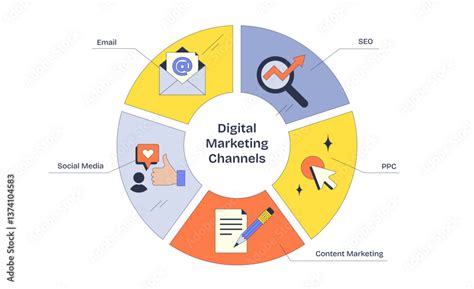
Even the best content needs the right delivery strategy. Utilize multiple channels to reach a broader audience. Tailor content to each platform's specific features and audience for maximum impact. Social media content supports awareness and engagement at scale. Social media platforms allow you to connect with a large and diverse audience. Social media fosters real-time engagement through features like polls, live videos, and direct messaging.
5. The Power of Storytelling
Storytelling is essential throughout the customer journey, as humans are programmed for stories. Our brains respond better to information when presented in a story, which works exceptionally well for brands trying to capture their audience. People don’t remember what you do; they remember why you do it. Your brand’s story should be woven into everything you create, from social media posts to blog articles and beyond. Share your mission, values, and the “why” behind your brand. Use case studies, testimonials, and customer stories to bring your brand’s story to life.
6. Leveraging Partnerships and Influencers
Building strategic partnerships is crucial for startups and established businesses to increase brand awareness and expand their market reach. Collaborative content: Invite industry leaders to contribute to your blog or participate in webinars. Guest posts and interviews: Invite industry leaders to contribute to your blog or participate in interviews. Teaming up with influencers or brand partners who have a similar audience is one of the best ways to expand your reach. Look for influencers or partners who align with your values and have a genuine connection with their audience.
7. Search Engine Optimization (SEO)
What good is great content if no one can find it? That’s where SEO comes in. Start by doing some keyword research to identify the terms your target audience is searching for. Then, create blog posts, landing pages, and other content around those keywords. Don’t just create content for the sake of SEO. The goal is to make your content valuable and relevant to the people searching for it. SEO is a competitive digital marketing channel and it takes time to start seeing meaningful results. While SEO results can take a while to achieve, playing the long game brings its benefits. And once you get to page one, staying there is easier. And once you stay there, it's easier to get your secondary keywords to rank, as well.
Integrating Content Marketing with Other Digital Channels
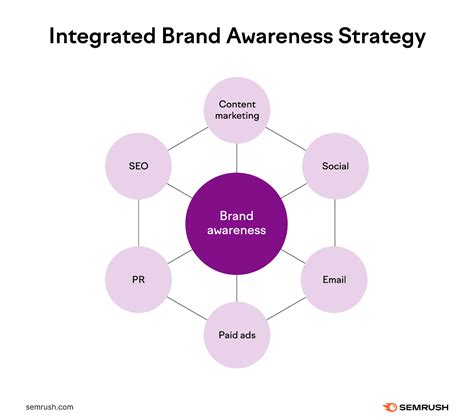
While content marketing is a cornerstone, it thrives when integrated with other digital marketing efforts.
Social Media Marketing
Social media is ubiquitous; over 300 million people in the U.S use it every day, to the tune of over two hours of time spent on social platforms. Social media marketing encompasses everything you do on social media for free-or at least, that you only pay for it in labor costs. It starts with identifying the best channels to target, based on where your audience spends their time. Social media marketing should be a blend of self-promotion and relationship-building. Use your platforms to share useful content from other credible outlets and resources in your industry, and participate in relevant conversations. A big challenge in social media marketing, especially for new accounts, is that the only people who see most of your updates are those who already follow you. That makes using social media marketing for brand awareness a slow proposition.
Social Media Advertising
Social media advertising is to social media marketing what paid search is to SEO. All the major social media platforms include an advertising platform, and most of them are pay-per-click like search advertising is. In addition to advertising with these social platforms, many brands are gaining traction on social media by identifying popular influencers in their niche and working with them to promote their brands. People with a largeChallenging the notion that paid advertising is the only way to drive immediate results, content marketing, when strategically executed, offers a sustainable and cost-effective path to building enduring brand awareness and fostering genuine customer relationships.
The Synergy of Content Marketing and Paid Social Media
While content marketing helps establish authority and increase engagement, paid social media directly amplifies these efforts, extending reach far beyond organic visibility. By combining these two strategies, you can create a powerful duo that boosts brand awareness and drives sustained growth and conversions.
Amplifying Content with Paid Social
Paid social media allows you to promote your content directly to a specific audience through targeted advertising. This is an effective way to maximise your reach and visibility, particularly for pieces that perform well organically. For example, if you’ve published a blog post that’s gained significant organic traction, amplifying it through a paid social campaign can help extend its reach further. You can also strategically promote seasonally relevant content, such as a promotion that ties in with a specific holiday. By doing this, you reach your target audience when they’re most likely to be interested. Additionally, paid social offers advanced targeting capabilities that make it easier to reach specific audience demographics, interests and behaviours. This ensures that the right audience sees your content, making people more likely to engage, share and, ultimately, take action.
Building Remarketing Audiences
While paid social may seem like a top-of-funnel strategy, it also plays a crucial role in nurturing users further down your sales funnel. Paid social media helps you remarket to audiences based on users who have already interacted with your content. This means that people who engage with your blogs, videos, or other content can be retargeted with more commercial, conversion-focused campaigns at a later date. If a potential customer first encounters your brand through a blog post you’ve promoted on social media, you can remarket to them with product offerings, service promotions, or special deals that encourage them to take the next step, whether it’s signing up for a newsletter or making a purchase. This synergy between content marketing and paid social ensures that initial brand awareness is nurtured into conversion opportunities over time.
Measuring Success and Iterating
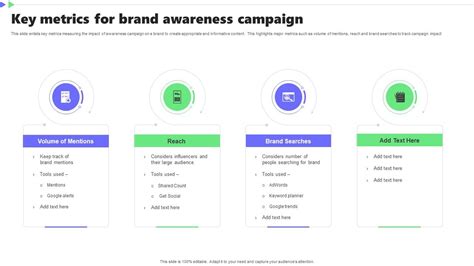
Every digital marketing channel has its unique strengths. To determine how each one will benefit your brand, you have to research, dive in and get started. Set clear goals: Define what you want to achieve with your content marketing efforts. Common goals include increasing brand awareness, driving traffic, generating leads, and boosting sales. Measure and Adjust: Regularly analyze the performance of your content marketing efforts. Use tools like Google Analytics to track key metrics such as traffic, engagement, and conversion rates. The choices you make on Day 1 of your brand awareness strategy won’t be perfect because you’re working with limited information. Every day your brand awareness campaign runs, you’ll gain valuable data that tells you more about what works.
The Long Game: SEO and Thought Leadership
Bonus: Get Your SEO in Order. If people can’t find you, they can’t remember you. By targeting both high-volume industry terms and more specific long-tail keywords, you make it easier for your audience to discover you when they are actively looking for what you offer. But brand awareness isn’t just about showing up on Google. With more people using AI tools like ChatGPT to get recommendations, it’s important that your brand is recognisable and seen as credible in these new spaces too. At the same time, appearing in media, podcasts, or guest blogs helps position your brand as a leader in your field. Sharing thought leadership content, such as opinion pieces, insights, or expert commentary, not only shows your expertise but also builds recognition and credibility among your audience and peers. Together, search optimisation and thought leadership make your brand easier to find and harder to forget.
Conclusion: A Dynamic Partnership for Lasting Impact
Content marketing is not just about spreading a message-it's about telling a compelling story that turns passive viewers into active participants and loyal advocates of your brand. It’s a strategic approach focused on creating and distributing valuable, relevant, and consistent content to attract and retain a clearly defined audience, with the ultimate goal of driving profitable customer action. While paid media efforts can drive faster results, when not managed carefully or strategized appropriately, they can grow very expensive. Strategies like SEO and an inbound-minded content and social media plan may cost less, but you’ll still need to pay for the professionals you hire and spend executing them.
Deciding which digital marketing channels to focus on is only one part of a strategy; you also need to determine how you’ll use each one. A solid strategy involves thinking through how the different channels can support each other and connects your brand awareness activities to the marketing your team creates. Combining the power of organic content with targeted advertising creates a knockout strategy. By aligning content marketing with paid social campaigns, you can create a powerful, data-driven approach to brand recognition that yields sustained success.