Adobe Photoshop, a powerhouse in digital image manipulation, offers a vast array of tools and features designed to empower users in their creative endeavors. Whether you are engaged in intricate photo retouching or constructing complex visual compositions, a thorough understanding of how to manage selections is paramount. The ability to deselect effectively can dramatically streamline your workflow, saving valuable time and circumventing potential frustration.
In the context of Photoshop, a "selection" refers to the deliberate act of isolating a specific portion or multiple areas within an image. Once a selection is established, you gain the capability to edit and apply effects exclusively to these chosen segments, leaving the remainder of the image untouched. However, the necessity to "deselect" - that is, to remove an active selection - arises frequently for various reasons. Deselection is the fundamental process of revoking a previously made selection, thereby releasing the isolated area. A selection, by its nature, delineates a particular region of your image that you intend to modify or manipulate. Yet, situations often arise where you need to clear an existing selection to focus on a different part of the image or to simply undo the selection you've made.
The Core Command: Deselecting Selections
For many users, the most immediate and commonly utilized method for deselecting is through a keyboard shortcut. This is particularly true when working with active selection marquees that define the boundaries of your chosen area.
For users operating on a Windows operating system, the standard shortcut to deselect is Control + D. Mac users will find the equivalent command to be Command + D. This shortcut is universally applicable for removing active selection outlines from your image.
Beyond the direct keyboard shortcut, Photoshop also provides a menu-driven option. By navigating to the Select menu in the application's top bar, you will find a "Deselect" option. Clicking this will achieve the same result as the keyboard shortcut.
Navigating Layer Selections: Beyond the Marquee
The user's initial query highlights a common point of confusion: how to deselect an active layer when you're not dealing with a visible selection marquee on the canvas itself. This often occurs when working with vector objects, shape layers, or simply when a layer has been activated for editing.
One established method to deselect an active layer, as noted by the user, involves interacting with the Layers Panel. The strategy is to click on a blank area within the Layers Panel. This action effectively deselects any currently active layer, returning the focus to a neutral state. However, this method can become cumbersome when the Layers Panel is densely populated with numerous layers, making it difficult to locate empty space.
A clever workaround, discovered by the user, addresses this very scenario. By Command-clicking (on Mac) or Control-clicking (on Windows) on the currently selected layer in the Layers Panel, you can effectively deselect it. This is an efficient method for isolating a specific layer and then releasing that isolation when no longer needed.
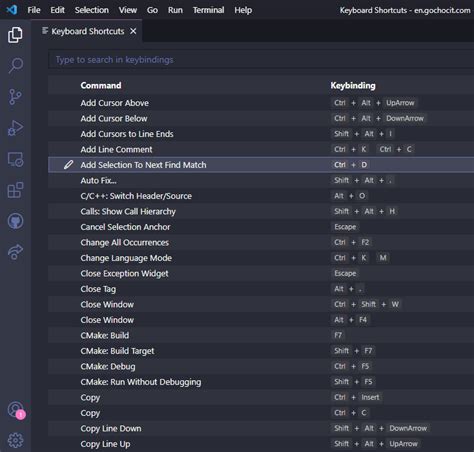
Another approach, particularly relevant when dealing with complex compositions involving multiple text, shape, or other types of layers, is to consider the possibility of creating a custom shortcut. Photoshop's "Keyboard Shortcuts" feature allows for extensive customization. By navigating to Edit > Keyboard Shortcuts, users can access a window where they can define their own shortcuts. Within this interface, under "Shortcuts For," selecting "Application Menus" and then navigating to "Select > Deselect Layers" provides the option to assign a custom key combination for this specific action. This can be a significant time-saver for those who frequently deselect layers.
Advanced Selection and Deselection Techniques
While the basic methods of deselection are fundamental, Photoshop offers more sophisticated tools for managing complex selections. These tools not only aid in the initial creation of selections but also provide refined control over their modification and removal.
Quick Mask Mode: A Different Perspective on Selections
The Quick Mask Mode offers an alternative way to visualize and refine selections. By pressing the Q key on your keyboard, you can enter Quick Mask mode. In this mode, areas not selected appear as a translucent red overlay, while selected areas remain clear. You can then use brush tools to paint over areas to add to or subtract from the selection. Painting with black will remove areas from the selection (adding to the red overlay), while painting with white will add areas to the selection (removing the red overlay). Pressing Q again exits Quick Mask mode, converting your painted areas into a standard selection. This method is invaluable for intricate selections where precision is key.
The Select and Mask Tool: Precision Refinement
For advanced selection refinement, Photoshop's Select and Mask tool is indispensable. This feature, accessible after making an initial selection or by selecting a layer and clicking the Select and Mask button in the Options bar, provides a dedicated workspace. Here, you can utilize a suite of tools, including brushes, edge refinement options, and global adjustments, to meticulously sculpt your selection. Within the Select and Mask workspace, you can also choose how to output your selection, including options to deselect based on certain criteria or to output a layer mask.
How To Use SELECT and MASK in PHOTOSHOP
Preserving Selections: Save for Future Use
In many workflows, the same selection might be needed repeatedly. Photoshop allows you to Save Selections for future use. By going to the Select menu and choosing Save Selection, you can name and store your current selection. Later, you can access these saved selections from the Select menu under Load Selection, allowing you to quickly reapply them without having to recreate them from scratch. This is particularly useful for recurring elements in a project or for precise masking operations.
Beyond the Shortcut: Enhancing Workflow Efficiency
While mastering Photoshop's selection and deselection commands is crucial, it's also important to consider how to optimize your overall workflow, especially when dealing with repetitive tasks or complex projects.
As you become more accustomed to using Photoshop, you may begin to notice how frequent adjustments to parameters can sometimes pull your focus away from the core creative design process. This is where specialized hardware can play a significant role.
TourBox: A Controller for Enhanced Productivity
The TourBox is a versatile and intuitive controller designed to significantly improve your workflow within Photoshop and other creative applications. By assigning frequently used commands, including selection and deselection shortcuts, to dedicated buttons, dials, and knobs, you can execute actions much more rapidly and with greater precision. This allows for smoother, more fluid interaction with the software, enabling you to make adjustments to your photos and manage selections with increased efficiency and productivity. For instance, you could assign the "Deselect" command to a specific button, allowing you to instantly remove a selection without needing to reach for your keyboard or navigate menus.

The Importance of Deselection in Your Photoshop Toolkit
In conclusion, understanding how to deselect in Photoshop is a fundamental yet critically important skill for any user of the software. It empowers you to precisely control which parts of your image are affected by edits, preventing unintended modifications and facilitating a more organized approach to image manipulation. By employing the various methods outlined - from the ubiquitous keyboard shortcuts and menu options to the more nuanced techniques involving Quick Mask mode, the Select and Mask tool, and saving selections - you can significantly enhance your efficiency and accuracy.
Furthermore, for those who find themselves performing repetitive actions or working on highly complex projects, exploring external tools like the TourBox can offer a tangible leap in productivity. Ultimately, the mastery of deselection, coupled with an awareness of broader workflow optimization strategies, forms a vital part of becoming a proficient and effective Photoshop user. Practicing these methods will undoubtedly lead to a more fluid and enjoyable creative process.