The concept of a "lifetime deal" in software, particularly for video editing tools like Filmora, has long been a compelling proposition for users. It promises a one-time purchase for perpetual access, a stark contrast to the ever-increasing subscription models that dominate the software landscape today. However, the reality of these deals, and the companies behind them, can be far more complex and, at times, contentious. The recent controversy surrounding Filmora's lifetime licenses, particularly with the release of Filmora 12, has brought this issue to the forefront, sparking debates about honesty, integrity, and the very definition of "lifetime."
The Allure of a Lifetime Deal
Historically, lifetime deals offered a significant perceived value. For a single, upfront payment, users expected to receive the software and all its future updates indefinitely. This was particularly attractive for software that might see frequent iterations and improvements. The initial pricing for Filmora's lifetime license, often cited as around $60, was seen as a remarkably low investment when compared to an annual subscription of $40. This pricing strategy, while seemingly beneficial to early adopters, has also been a point of contention, with some arguing that it was "way too cheap" and set an unsustainable precedent.
The rationale behind such deals, from a business perspective, is often to secure initial capital and build a user base quickly. Early adopters, by paying a premium that reflects the inherent risk and time investment, effectively fund the crucial development period of the software. This upfront revenue can be vital for a nascent company to gain traction and establish itself in the market. Unlike cloud-based services with ongoing operational costs, downloadable software incurs minimal direct expenses for developers once created, making the long-term commitment of a lifetime deal theoretically more manageable.

The Filmora 12 Shift: From "Updates" to "Upgrades"
The core of the recent Filmora controversy lies in a semantic shift. Users who purchased lifetime licenses, expecting perpetual access to all future versions, found themselves being asked to pay again for Filmora 12. The company's explanation, and the crux of the issue, is the distinction it began to make between "software updates" and "upgrades." Many users understood their lifetime license to include all future versions, viewing major releases like Filmora 12 as substantial updates. However, Filmora, in its revised terms, began to categorize these as "upgrades," thereby excluding them from the original "lifetime updates" promise.
This distinction has been met with widespread criticism, with many labeling it as deceptive advertising or a breach of contract. The argument is that the term "lifetime" in a software license agreement, especially when coupled with "free updates," should reasonably encompass all subsequent versions of the software released by the company. The absence of clear definitions and limitations at the point of sale has fueled this perception of unfair practice.
Legal and Ethical Considerations
The question of whether this distinction is legally binding is complex. While "lifetime" might not be explicitly defined in law in this context, the original license agreements accepted by buyers are paramount. If these agreements, as some users claim, did not clearly delineate between updates and upgrades, then those who purchased lifetime licenses are arguably entitled to access Filmora 12 without additional cost.
The situation highlights a broader trend in the software industry, where companies are transitioning from perpetual licenses to subscription-based models. This shift, while potentially beneficial for ongoing development and revenue, can create friction with existing customers who purchased older licensing models. The Filmora case serves as a cautionary tale, suggesting that clearer legal definitions and more transparent communication regarding software licensing terms may be necessary as this transition continues.
Ethics Has No Place In Software Licenses
The User Experience and Perceptions
For many users, like the YouTuber Daniel Batal, who was a vocal advocate and brand ambassador for Filmora, this change felt like a betrayal. Having invested in the software and promoted it extensively, the demand for a new payment for a version they believed was included in their lifetime purchase was deeply disappointing. This sentiment is echoed by many who feel that companies should honor their commitments, regardless of evolving business models.
The argument that users have already received "insane value" for their initial investment is often countered by the principle that the terms of sale should not be unilaterally altered post-purchase. Comparing it to selling a car and then demanding more money years later because the dealership needs to stay open illustrates the perceived absurdity of such a business practice.
Business Models and Sustainability
The underlying issue for software companies offering lifetime deals is the challenge of long-term sustainability. "Lifetime free upgrades" can create a scenario where developers are obligated to deliver infinite future value for a finite initial compensation. This can lead to a perverse incentive: focusing on acquiring new customers rather than developing features that existing users desire, and potentially even a desire to "chase off" existing users to reduce costs.
However, there are also successful examples of companies that have managed this model. FL Studio, for instance, is often cited as a developer that provides perpetual licenses with free lifetime updates, meaning users receive every new version that comes out for free. This approach builds significant customer loyalty.
The Role of Early Adopters and Risk
It's important to acknowledge the role of early adopters. They not only provide financial support but also undertake significant risk by investing in a product in its nascent stages. This risk, often more valuable than the monetary sum, is a crucial component of early-stage business growth. The venture capital model, for example, operates on a similar principle of investing in high-risk, high-reward ventures.
Navigating the Landscape: Alternatives and Recommendations
For users finding themselves in a similar situation, the advice often given is to seek better products from more reputable companies. The controversy also brings to light the importance of thoroughly researching software licensing agreements before making a purchase.
When considering Filmora specifically, understanding the different plans is key. The Annual Plan offers a yearly subscription, while the Perpetual Plan (previously the Lifetime License) provides lifetime access to the specific version purchased, but not necessarily future major releases. The Subscription Bundle includes additional assets and features for a yearly fee.
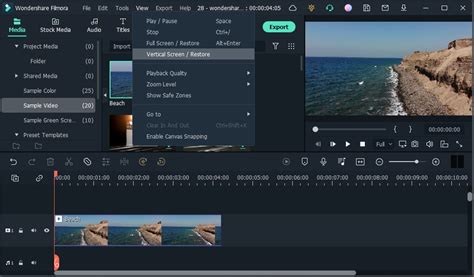
The comparison with alternatives like Movavi Video Editor is also relevant. While both offer user-friendly interfaces, Movavi is often praised for its simpler layout, larger buttons, and more beginner-friendly approach, including step-by-step guides. Filmora, on the other hand, boasts a vast library of animation presets and effects. Movavi also offers features like keyframe animation and superior audio editing tools, which are not present in Filmora. In terms of pricing, Movavi's $69.95 for a perpetual license often undercuts Filmora's basic package.
The Future of Software Licensing
The Filmora lifetime deal saga is a microcosm of a larger industry-wide shift. As software increasingly moves towards subscription models, the legacy of perpetual and lifetime licenses presents ongoing challenges. The case underscores the need for:
- Transparency: Clear and unambiguous communication regarding licensing terms at the point of sale.
- Honesty: Adhering to the spirit and letter of original agreements.
- User-Centricity: Recognizing the value and loyalty of existing customers.
While some may argue that "lifetime" deals are inherently unsustainable, the public's reaction to Filmora's actions suggests a strong desire for companies to honor their promises and maintain a high degree of integrity. The debate over "updates" versus "upgrades" is likely to continue, and users will need to remain vigilant in understanding what they are truly purchasing when opting for software with a "lifetime" offer. The initial pricing of Filmora's lifetime license, at $60 for what was essentially a perpetual license to a specific version, has been described as "way too cheap" by some, suggesting that a more realistic expectation for a lifetime license would be significantly higher, perhaps 5-10 times the cost of a yearly subscription. This observation hints at the fundamental unsustainability of the original pricing model when considering the long-term commitment of providing all future versions.
For users who purchased a lifetime license before the changes, the situation remains a point of contention. While Filmora eventually stated they would honor existing lifetime licenses for the versions purchased, the initial attempt to reclassify major releases as "upgrades" rather than "updates" has undoubtedly eroded trust for many. This has led to a division of opinion, with some users feeling they have already received immense value and should not expect perpetual access to future, more advanced versions, while others firmly believe that "lifetime" implies exactly that, regardless of the version number. The legal interpretation of such terms, especially in the absence of explicit definitions in the End User License Agreement (EULA), remains a gray area, prone to debate and potential legal challenges.
The situation with Filmora and its lifetime deals is a complex interplay of business strategy, customer expectations, and the evolving nature of software distribution. While the company's eventual decision to honor existing lifetime licenses for their purchased versions was a step towards reconciliation, the controversy itself serves as a stark reminder for both consumers and developers about the critical importance of clarity, fairness, and trust in the digital marketplace. The distinction between minor updates and major upgrades, and how these are communicated and honored under "lifetime" agreements, will continue to be a significant point of discussion as the software industry navigates its transition towards more prevalent subscription-based revenue models.