Fleas, those minuscule, wingless insects belonging to the order Siphonaptera, are far more than just a nuisance to pets and humans. They are external parasites with a complex life cycle and a remarkable ability to reproduce rapidly, making them a persistent challenge for control and eradication. Understanding their reproductive strategies and life stages is crucial for any pet owner or anyone dealing with a flea infestation. Fleas are found in all 50 states, but they flourish in the warmer climate of the southern US. Outside, fleas prefer shade and humidity, typically living in crawl spaces, under bushes, in brush piles, and in sand. Once they find their way inside, their preferred habitats depend on their life stage, with adult fleas, making up only 5% of the population, being the most visible.
Anatomy and Identification of Fleas
Before delving into reproduction, it's essential to know what fleas look like. The most common species, Ctenocephalides felis or the cat flea, despite its name, preys on both dogs and cats. Adult fleas are small, measuring between 1.5 to 3.3 millimeters (1/16 to 1/8 inch) long. They are typically reddish-brown and move quickly across the surface of the skin. Their bodies are laterally compressed, flattened sideways, which allows them to navigate through the fur or feathers of their hosts with ease. They possess backward-pointing bristles and spines that aid in their movement and make them difficult to dislodge during grooming. Fleas are wingless but possess powerful hind legs, especially the hind pair, which are highly adapted for jumping. Some species can leap up to 50 times their body length, a feat second only to froghoppers, allowing them to efficiently transfer to a host.
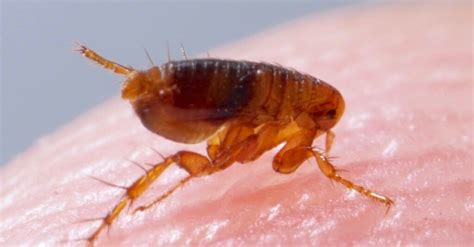
Their mouthparts are specialized for piercing skin and sucking blood, consisting of a proboscis or stylet. Unlike many insects, fleas do not have compound eyes; instead, they possess simple eyespots with a single lens, and some species are entirely eyeless. The flea body is covered in hard plates called sclerites, adorned with hairs and spines that further assist their movement on a host.
Beyond spotting live fleas, pet owners might notice "flea dirt," which is essentially flea feces. This appears as a fine, reddish-black dust in the pet's fur or bedding. Flea feces are a critical component of the flea's life cycle, as flea larvae feed on them.
The Flea Life Cycle: A Four-Stage Journey
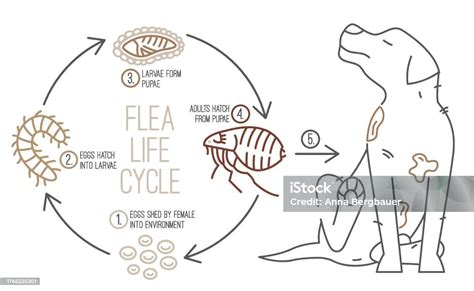
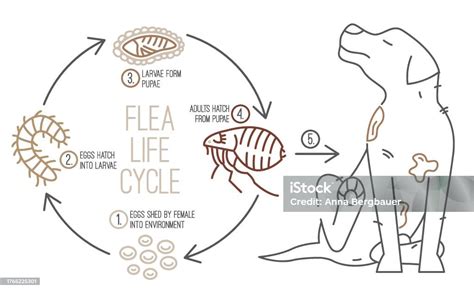
The flea life cycle is a continuous loop, comprising four distinct stages: egg, larva, pupa, and adult. Understanding each stage is paramount to effective flea control, as different stages require different approaches for eradication.
Stage 1: The Flea Egg
The reproductive cycle begins when a female flea, after her first blood meal, starts laying eggs. This typically occurs within 48 hours of feeding. A female flea can lay an impressive number of eggs, ranging from 40 to 50 eggs per day, and potentially over a hundred eggs during her lifetime. Nearly half of these eggs can be female, ensuring a continuous cycle of reproduction.
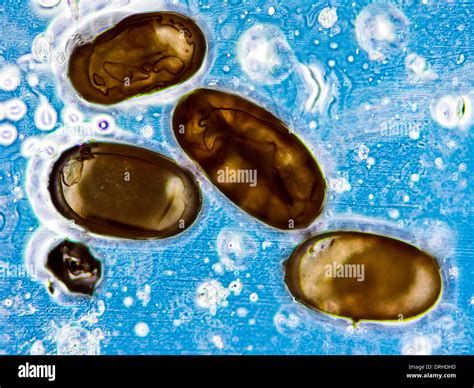
Flea eggs are tiny, oval-shaped, and usually white or cream-colored. They are not sticky and, when laid on a host, often fall off into the surrounding environment. This is why eggs can be found in carpets, furniture, pet bedding, and cracks in the floor. The hatching time for these eggs varies depending on environmental conditions, ranging from 1 to 12 days. Colder environments can cause eggs to perish before hatching, but in suitable conditions, they will hatch into larvae.
Stage 2: The Flea Larva
Once the flea eggs hatch, they give rise to flea larvae. These are tiny, worm-like creatures, typically whitish in color, though they can turn darker as they feed. Larvae are blind and actively avoid light, preferring dark, humid environments. They are legless and complete three larval instars, or stages, before pupating.
The primary food source for flea larvae is organic debris, most importantly, adult flea feces (flea dirt), which contain dried blood. Without this specific food source, larvae cannot survive. They may also feed on other organic matter such as food particles, dead skin cells, or feathers. Flea larvae do not take a blood meal directly from a host like adult fleas do.
The larval stage typically lasts from 4 to 18 days, though this can be influenced by environmental factors. Humidity below 45% can be fatal to larvae, and they thrive in environments with relative humidity between 50% and 85%. They are usually found in shaded locations such as cracks in the floor, within carpets, in pet bedding, or in protected areas under and within furniture. Outdoors, they favor cool, shaded spots.
Stage 3: The Flea Pupa
After completing their larval development, fleas enter the pupal stage. The larva spins a silken cocoon around itself, providing protection as it undergoes metamorphosis. These cocoons have a sticky texture, which helps them blend into their surroundings and adhere to surfaces, making them particularly challenging to eliminate.
The pupal stage is remarkably resilient and can survive for extended periods, from weeks to several months, and in some cases, up to a year, depending on environmental conditions. They are resistant to many flea-killing treatments. However, pupae are triggered to emerge when they sense cues indicating the presence of a potential host, such as vibrations, heat, or carbon dioxide. This means that even in a seemingly flea-free environment, dormant pupae can emerge when new inhabitants move in, leading to a sudden re-infestation.
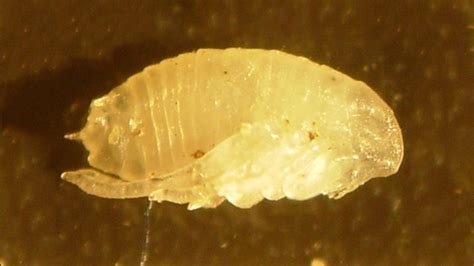
Because pupae are so difficult to kill with insecticides and can remain dormant for so long, they represent a significant hurdle in flea control. Strategies to encourage their emergence, such as increased vibrations from vacuuming, can help bring them out of their cocoons to be targeted as adults.
Stage 4: The Adult Flea
When the conditions are right and a suitable host is detected, adult fleas emerge from their pupal cocoons. Their primary objective is to find a blood meal and then to reproduce, starting the cycle anew. Adult fleas are equipped with specialized mouthparts for piercing skin and feeding on blood.
Adult fleas can live for about 100 days when attached to a host, and they consume a significant amount of blood, sometimes 15 times their body weight daily. However, without a host, their lifespan is much shorter, typically ranging from a few days to a couple of weeks. The exact lifespan is dependent on environmental factors like temperature and humidity. Under ideal conditions, adult fleas can live for up to 1.5 years, but this is rare.
Once an adult female flea has had a blood meal, she can begin laying eggs within a day or two, initiating the next generation. This rapid reproductive capability is why flea infestations can escalate so quickly.
Factors Influencing Flea Reproduction and Activity
Several environmental and biological factors influence how fast fleas reproduce and when they are most active.
Temperature and Humidity
Fleas thrive in warm, humid conditions. While they can be found in all 50 states, they flourish in the warmer climate of the southern US. Outside, they prefer shaded and humid areas. Indoor environments, particularly those with consistent warmth and humidity, provide ideal breeding grounds. Conversely, low humidity (less than 50%) and high soil temperatures (above 95°F or 35°C) can be detrimental to flea larvae.
The concept of "peak flea season" is directly related to these environmental factors. Fleas are most active during warmer months when temperature and humidity levels are conducive to their survival and reproduction. However, indoor environments with climate control can provide year-round breeding opportunities.
Host Presence and Cues
Fleas possess remarkable survival instincts and use various cues to locate their hosts. These include:
- Carbon Dioxide: Fleas are attracted to the carbon dioxide exhaled by pets and humans.
- Heat: The warmth emitted by warm-blooded bodies serves as a beacon for fleas.
- Vibrations: As mentioned, vibrations can signal the presence of a potential host, triggering adult fleas to emerge from their cocoons.
Fleas normally specialize in one host species or a group of species but can feed on others if their preferred host is unavailable. While they prefer animal hosts like dogs and cats, they will bite humans, especially when their primary hosts are absent. Flea bites on humans typically appear as small, red, itchy bumps, often on the ankles and lower legs.
Fleas in a jar (similarity in fleas and human behaviour)
Host Specificity and Reproduction Triggers
While species like the cat flea (Ctenocephalides felis) are highly adaptable, many flea species are more host-specific. Interestingly, some fleas have evolved fascinating reproductive triggers tied to their hosts. For instance, adult female rabbit fleas (Spilopsyllus cuniculi) can detect hormonal changes in a rabbit's blood that indicate it is close to giving birth. This hormonal shift triggers sexual maturity in the fleas, initiating egg production. Once the baby rabbits are born, the fleas move to them to feed, mate, and lay eggs.
The Economic and Health Impact of Fleas
Fleas are not just an annoyance; they represent a significant economic burden and can pose serious health risks. In the United States alone, approximately $9 billion is spent annually on flea control, with pet owners accounting for a substantial portion of this expenditure. Veterinary bills and flea treatment products contribute to this cost.
Beyond the financial strain, fleas can transmit diseases to both pets and humans.
- Tapeworms: Fleas can carry tapeworm eggs. When a pet grooms itself and ingests an infected flea, the tapeworm eggs can develop into adult tapeworms in the pet's intestinal tract. Humans, especially children, can also become infected if they accidentally ingest infected fleas.
- Murine Typhus: This bacterial disease can be transmitted to humans through flea bites. Fleas that have fed on rodents may carry the bacterium Rickettsia typhi.
- Plague: Historically, certain flea species, like the oriental rat flea (Xenopsylla cheopis), have been vectors for Yersinia pestis, the bacterium causing bubonic plague. While rare, this highlights the potential for fleas to spread devastating diseases.
Fleas can also cause significant discomfort and health issues for pets. Constant itching and scratching from flea bites can lead to skin irritation, hair loss, and secondary infections. For some pets, a severe allergy to flea saliva, known as flea allergy dermatitis (FAD), can develop, where even a single bite can cause intense itching and discomfort.
Strategies for Flea Control and Reproduction Prevention
Effectively combating flea infestations requires a comprehensive approach that targets all stages of the flea life cycle. Breaking the cycle is key to preventing rapid reproduction.
Treating Pets
The first line of defense is to treat your pets with vet-approved flea treatments. These can include topical spot-ons, oral medications, shampoos, and dips. Insect growth regulators (IGRs) are particularly effective as they disrupt the development of flea eggs and larvae, preventing them from maturing into adults. Products like Lufenuron (e.g., Program®) and methoprene are examples of IGRs that can be administered orally, as a food additive, or topically.

Regular use of a flea comb is also beneficial. The fine teeth of a flea comb can help physically remove adult fleas from your pet's fur. It's important to dip the comb in soapy water or an alcohol solution after each pass to kill any removed fleas.
Treating the Home Environment
Since adult fleas are only a small percentage of the total population, treating the environment is crucial. This involves:
- Vacuuming: Thoroughly vacuuming carpets, rugs, upholstered furniture, and cracks in floors is essential. Vacuuming removes eggs, larvae, and pupae, and also removes the larvae's food source (flea feces). Vacuum cleaner bags should be discarded outside the home at least weekly to prevent fleas from developing inside the bag and re-infesting the house. Encouraging vibrations through frequent vacuuming can also help stimulate pupae to emerge.
- Washing Bedding: Regularly wash pet bedding, blankets, and other washable items in hot water to kill fleas at all stages.
- Household Sprays and Foggers: Use household flea sprays or foggers specifically designed to kill larvae and pupae. Many of these products contain IGRs for long-term control. It is vital to follow the product's directions carefully and ensure treated areas are well-ventilated and safe for pets and people before re-entry.
- Diatomaceous Earth: This natural substance can be sprinkled on carpets and bedding. It works by dehydrating and killing fleas.
- Environmental Treatments: For outdoor areas where pets rest, treatments like yard sprays can be applied to shrubs, under decks, and pet resting spots.
Natural and Alternative Methods
While not always as effective as chemical treatments, some natural methods can aid in flea control:
- Essential Oils: Some essential oils, such as lavender, citronella, and eucalyptus, are believed to repel fleas. These can be used in diffusers or diluted for topical application with caution.
- Diatomaceous Earth: As mentioned, this can be used as a natural desiccant.
- Cedar Chips: Volatile oils in fresh cedar chips can be toxic to fleas, though their effect is short-lived.
It is important to note that claims about the effectiveness of garlic, brewer's yeast, and various herbal sachets often lack strong scientific evidence.
Integrated Flea Control Programs
The most effective strategy for managing fleas is an integrated approach that combines sanitation, pet treatment, and environmental control. This multi-pronged attack ensures that all stages of the flea life cycle are targeted, significantly reducing the chances of re-infestation and rapid reproduction. Consistency is key; flea control is an ongoing effort, not a one-time fix.
By understanding the intricate reproductive cycle of fleas and the factors that influence their proliferation, pet owners can implement robust control measures to protect their pets and homes from these persistent parasites.