The reproductive habits of many non-mammalian animals present a fascinating departure from the familiar, and snails are no exception. Beyond their distinctive shells, these terrestrial gastropod mollusks engage in reproductive processes that are as unique as they are crucial to their enduring survival. Understanding these mechanisms offers a glimpse into the diverse strategies life employs to perpetuate itself across generations.
The Enigma of Gender: Males, Females, and the Hermaphroditic Advantage
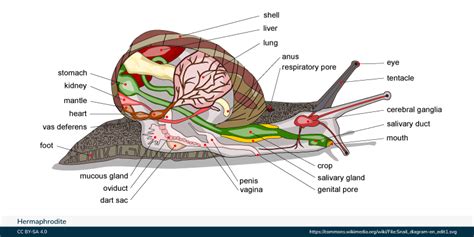
A foundational aspect of snail reproduction is the prevalence of hermaphroditism. This biological characteristic means that an individual organism possesses both male and female reproductive organs, enabling it to produce both eggs and spermatozoa. In essence, many snails embody both sexes simultaneously, a trait that significantly influences their mating dynamics.
However, this is not a universal rule across all snail species. The snails belonging to the family Pomatiidae, for instance, stand apart due to their distinct genders. In these species, each snail is definitively either male or female, distinguished by its reproductive organs. This sexual dimorphism is often observable externally, with males typically exhibiting smaller shells compared to their female counterparts.
While most terrestrial gastropods are hermaphrodites, certain freshwater snails, such as Apple Snails and periwinkles, diverge from this norm. These species maintain separate male and female individuals, mirroring the more common mammalian reproductive model.
Regardless of their specific gender arrangement, individuals typically reach sexual maturity at varying ages, contingent upon their species and environmental conditions. Once sexually mature, their reproductive organs become fully functional, preparing them for mating. The age at which land snails attain maturity can range widely, from as little as six weeks to as long as five years. Environmental factors that are either conducive or detrimental to their development can accelerate or delay this process.
The Art of Attraction: Courtship Rituals and the Allure of Scent
Once a snail has reached sexual maturity, the intricate process of finding a mate and initiating courtship begins. This preliminary phase is critical for successful reproduction, involving a series of nuanced movements and behaviors that may or may not culminate in mating. The entire courtship ritual can span from a mere two hours to an extended twelve hours, highlighting the deliberate nature of these interactions.
Snails primarily rely on their senses of smell and touch to locate potential partners, as their visual acuity is limited, and they lack the sense of hearing. They are adept at detecting airborne chemical signals, known as pheromones, which communicate the reproductive receptivity of other snails in the vicinity.
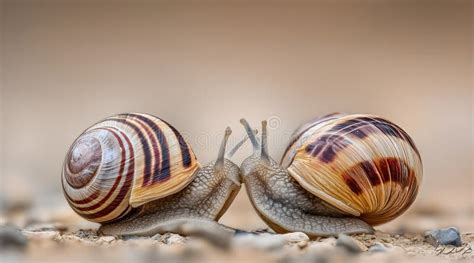
As snails approach one another, they engage in a reciprocal acknowledgment and assessment of their potential partner. This interaction escalates to a more physical level, involving the use of their tentacles to explore and connect. Some species engage in circular movements, and in certain instances, snails may even gently bite the area around the genital pore of their potential mate.
Love Darts: A Thorny Approach to Reproduction
A particularly striking aspect of snail courtship, observed in some species, is the use of a unique anatomical structure: the "love dart." This is not a metaphorical weapon but a tangible, pointed object typically composed of calcium or chitin, possessed by sexually mature snails, particularly those that have mated previously. These darts, when viewed closely, bear a resemblance to miniature, sharp projectiles.
When two snails deem each other suitable partners and their genitals come into proximity, they engage in the "shooting" of their love darts. This is a contact-based action, not a projectile launch through the air. Usually, both snails will attempt to pierce the skin of their partner with these darts, thus establishing a physical connection. The process can be somewhat perilous, as the darts occasionally risk damaging internal organs or even passing entirely through the body.
The function of the love dart is not to transfer sperm directly. Instead, it serves as a sophisticated mechanism of sexual selection. Studies, particularly on garden snails (Helix aspersa), have indicated that the use of love darts can significantly increase a snail's reproductive success. The mucus that coats the dart contains hormones that are believed to enhance the probability of successful fertilization and the subsequent development of offspring.
True Facts About The Land Snail
The Act of Mating: Sperm Exchange and Fertilization
Following the exchange of love darts, the snails proceed to copulation. The transfer of sperm can be either reciprocal, meaning both snails exchange sperm, or unilateral, where only one snail transfers sperm. This variation is species-dependent. Some hermaphroditic snails have evolved the capacity for self-fertilization, negating the need for a partner to reproduce.
After fertilization, the eggs undergo a developmental period within the snail's body. Once they have matured, both snails deposit their eggs. This is typically done by creating a small hole in the topsoil in a cool, sheltered location, where the eggs are then buried. This method of reproduction allows snails to lay eggs at a consistent and regulated rate.
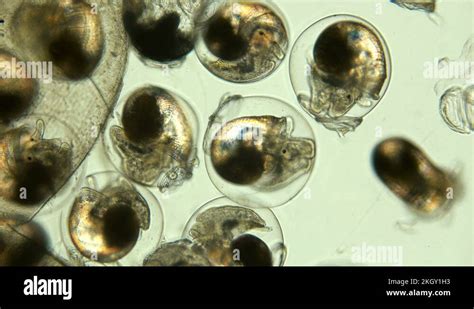
The incubation period for snail eggs generally spans between two to four weeks. Upon hatching, the young snails are immediately thrust into a survival mode. Their shells, known as protoconches, are initially soft and vulnerable. To strengthen these nascent shells, baby snails require a substantial intake of calcium. Consequently, their first act upon hatching is often to consume their own eggshells. In some instances, they may even consume unhatched eggs of their siblings to acquire essential calcium.
Post-Mating and Offspring Development
The mating process in snails is a complex event, with different species employing distinct methods and exhibiting varied physiological adaptations. For common garden snails, the courtship phase involves extensive crawling over and "sniffing" of a potential mate, a behavior that shares rudimentary similarities with human courtship rituals.
The introduction of the love dart is a pivotal moment, acting as a hormonal injection that influences the reproductive outcome. In garden snails, the accuracy and placement of the dart are considered crucial for maximizing its effectiveness. Following this, copulation occurs, where two penises are inserted into the vaginal tracts of each snail, facilitating sperm exchange. The relative size of the love dart can be substantial, with comparisons drawn to a 15-inch knife in human terms, underscoring the intensity of this interaction.
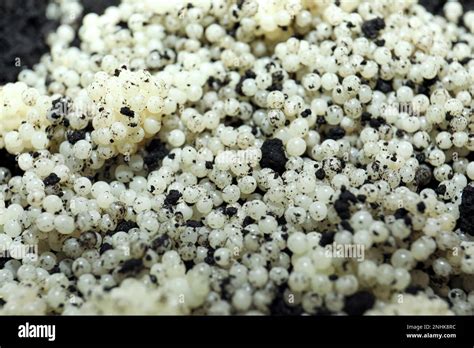
After mating, a garden snail will typically lay its eggs within three to six days, allowing time for fertilization to occur. They then excavate a small hole in the soil to deposit their clutch of clear or white eggs. These eggs may be laid an inch deep in soft dirt, or sometimes on the surface, concealed beneath organic debris. Aquarium-dwelling snails, conversely, deposit their eggs on aquatic vegetation.
The survival of snail eggs is precarious, as they are a food source for many predators, including fish. However, those that do survive can adhere to various surfaces for development. The newly hatched snails, possessing soft shells, are highly vulnerable. They require a significant calcium intake to harden and strengthen their shells. This dietary necessity drives their immediate consumption of eggshells and, at times, unhatched siblings.
While snails do not adhere to conventional human notions of distinct male and female roles, the process of vying for position and the effectiveness of the love dart can influence which snail assumes a more "male-oriented" role in sperm donation. The ability to store sperm in a specialized organ allows for fertilization by multiple partners over time, further enhancing reproductive potential.
Lifespan and Ecological Success
Snails exhibit a remarkable lifespan for creatures of their size. In the wild, where conditions are often challenging, a snail may live between one to ten years if it successfully reaches maturity. However, in controlled environments, such as captivity, garden snails have been documented to live considerably longer, with some individuals reaching up to 25 years. This longevity, coupled with their unique and efficient reproductive strategies, has contributed to their status as some of the most numerous and successful animals on the planet. Their ability to reproduce effectively, even in diverse and sometimes harsh conditions, is a testament to the adaptability and resilience of these seemingly simple creatures.