Stock photography has become an indispensable resource in the visual communication landscape, serving as a versatile toolkit for designers, marketers, and content creators. These pre-shot images offer a convenient and often cost-effective alternative to custom photoshoots, enabling individuals and businesses to enhance their projects with compelling visuals. For photographers, the stock photography business presents a viable avenue for monetizing their skills by licensing their work through various online platforms. This comprehensive guide delves into the multifaceted world of stock photography, exploring its origins, types, acquisition, creation, and integration into creative workflows, with a particular focus on its synergy with tools like Adobe Photoshop.
The Genesis and Evolution of Stock Photography
The concept of stock photography emerged in the 1920s, originating from agencies that managed and stored photographs that photographers had created but did not immediately need. This practice gradually evolved, leading to the establishment of specialized agencies dedicated to curating and distributing stock imagery. In its nascent stages, stock photos primarily featured generic subjects, catering to a broad demand for visual content. As the market expanded and user needs diversified, the range of subjects covered by stock photography grew exponentially. Today, stock libraries encompass an extensive array of themes, from abstract concepts and conceptual imagery to highly specific actions and niche scenarios, reflecting the ever-growing demand for visual storytelling.

Understanding the Different Facets of Stock Photography
Stock photography can be broadly categorized into several types, each with distinct characteristics and licensing models. Royalty-free images represent a popular licensing model where a buyer pays a one-time fee to use the image multiple times for various purposes without incurring additional royalties. This model offers significant flexibility for commercial use. In contrast, rights-managed photos come with specific usage restrictions, including defined timeframes and geographical limitations, with fees often varying based on the intended application of the image.
Beyond these licensing frameworks, stock photography also encompasses different scales of production and pricing. Macrostock photography typically refers to high-resolution, premium-quality images that are sold at higher price points and often come with more controlled rights management. Conversely, microstock photography involves the sale of inexpensive images accessible to a wider audience, with platforms like Shutterstock and Adobe Stock being prominent examples of microstock providers.
Acquiring Stock Assets: The Adobe Stock Ecosystem
For professionals working within the Adobe Creative Cloud ecosystem, Adobe Stock offers a seamless and integrated experience for sourcing visual assets. Adobe Stock can be a fast and easy way to purchase assets for your project. This platform provides direct access to a vast library of photos, illustrations, vectors, videos, and templates.
A key advantage of Adobe Stock is its deep integration with Adobe's creative applications. For instance, when working in Photoshop, you can search for assets directly within the Libraries panel. By typing search terms like "desert highways," Photoshop will display relevant results from Adobe Stock within the panel. You might see different images since Adobe is constantly updating the contents of the stock library. This integration allows users to browse and preview watermarked versions of images directly in their workflow.
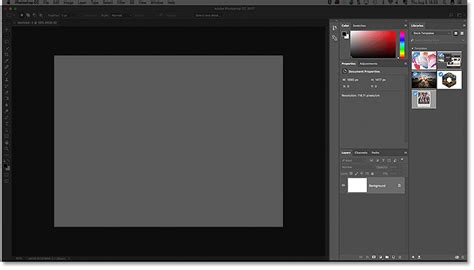
The Libraries panel also offers powerful filtering and sorting options. You can filter by asset type, such as photos, illustrations, or videos, and sort results by various criteria to quickly narrow down your selection. This enables users to mock up designs in Photoshop and present these ideas to clients, using watermarked comps.
Once a client approves a design concept, the user can then license the chosen image directly through Adobe Stock at a very reasonable price. A significant benefit of this integration is that all images that are in your PSD as Linked Library Smart Objects will be automatically updated in your Photoshop comp. The watermarks will disappear, and your photos will suddenly become High Resolution. This is very convenient. When you see something you like, save it to your Library (watermarked version). You can drop them right into your document and start playing around with the layout and trying different stock photos. When you like something, Right Click and choose License Image. The watermarked image will be replaced by the High-Res licensed image all ready for your use.
This integration represents a significant evolution from Adobe's earlier attempts to incorporate stock photos, such as the past integration with Bridge, which was less successful due to a lack of real integration. The acquisition of Fotolia by Adobe was a pivotal moment, leading to the development of the current, highly integrated Adobe Stock service.
Leveraging Stock Photography in Design Workflows
Stock photos are a commonly used design element, and their effective use can significantly enhance visual projects. Whether for marketing, design, or communication, these images help convey messages without the need for an elaborate photoshoot. Stock imagery can be particularly useful for professional graphic designers creating materials for local businesses, such as small flyers.
When incorporating stock photos into a design, careful consideration is paramount. The primary goal is to find images that align with the project's purpose and convey the desired message. Images should resonate with the brand identity and appeal to the target audience. Furthermore, it's crucial to review the license agreements associated with each image to ensure compliance with usage terms. Royalty-free images are commonly used for commercial purposes, but understanding the specific permissions granted by the license is vital.
Exploring different stock photo libraries can help users discover images that precisely meet their specific needs. Integrating stock photos into designs can enhance visual appeal and maintain consistency across projects when used in templates and themes. Simple edits like cropping, resizing, or applying filters can significantly adapt stock images to better fit a project's aesthetic.
Stock Photography & Vectors - Graphic Design How to
For designers using Adobe Photoshop, the ability to directly access and place stock assets streamlines the creative process. Beyond basic edits, advanced manipulation within Photoshop can transform stock images to create unique effects and styles. For example, tutorials on creating a Starry Night Sky in Photoshop, blending text into clouds, or applying a vintage photo effect with Adobe Lightroom demonstrate how stock elements can be creatively integrated and enhanced. The Rainbow Eye Color Effect in Photoshop and mirrored effects, often seen on record covers or movie posters, are further examples of how stock elements can be artistically manipulated.
Creating Compelling Stock Photographs: A Photographer's Perspective
For photographers looking to enter the stock photography business, it can be a profitable venture. By understanding how to take appealing stock photos, they can sell their work on platforms that connect them directly with buyers. The key to success in stock photography lies in producing high-quality, in-demand images and understanding the market's dynamics.
Identifying Market Trends and Niches
Staying updated with current trends is essential for success in the ever-evolving stock photo market. Popular themes often include business, technology, travel, and lifestyle. Monitoring industry changes helps identify what types of images are in high demand. Experimenting with new styles and topics can also provide insights into market needs. A crucial question for aspiring stock photographers is: "What does someone need that is not already being offered on a stock photography platform?" Spending time on stock libraries to observe current trends and identify gaps in the market is a valuable strategy.
Technical Quality and Composition
Photographers must ensure their images are technically sound and visually appealing. This includes maintaining high resolution, sharp focus, and proper exposure. Well-composed shots that are aesthetically pleasing are more likely to attract buyers. Tools like Photoshop and Lightroom are indispensable for enhancing image quality and ensuring photos meet stock library standards. Producing versatile photos that can be used in various media increases their marketability. It's vital to showcase only the best work to maintain high standards and attract potential buyers.
Keywords, SEO, and Discoverability
Keywords are crucial for making stock images discoverable on various platforms. Photographers need to use relevant and specific keywords to accurately describe their photos, including the subject, location, and any actions taking place. Search Engine Optimization (SEO) practices also play an important role. Optimizing photo titles, descriptions, and keywords can significantly improve an image's visibility on stock platforms. Accurate and comprehensive tagging is as important as the image itself.
Licensing, Copyright, and Legal Considerations
Understanding licensing and copyright is critical in stock photography. Photographers must ensure they have the legal right to submit and license their work. If photos include recognizable people, obtaining model releases is essential to protect against legal claims and allow for commercial use. Respecting copyright laws is paramount; using or selling images that infringe on copyright can lead to severe legal consequences. All submitted images must be original work, or the photographer must possess the rights to use them.
Getting Started with Stock Photography
For beginners, starting with stock photography involves several key steps. Selecting a niche to focus on can help differentiate one's portfolio. Using high-quality equipment and understanding basic photo editing techniques are foundational. Choosing the right agency is vital, with well-known platforms including Getty Images, Adobe Stock, and Shutterstock. Each agency has its own submission guidelines, commission structures, and types of content they favor. Getty Images often demands high-quality, exclusive content, while Adobe Stock offers seamless integration for Creative Cloud users. Comparing commission rates and submission requirements is crucial.

Creating a strong portfolio is essential. A diverse range of subjects can increase the chances of sales. Agencies like Adobe Stock and Shutterstock often provide guides on how to format portfolios effectively.
Advanced Integration and Workflow Optimization
For developers and businesses seeking to integrate stock photo access into their workflows, APIs can streamline the process. By integrating stock photo APIs, developers can create custom solutions that fit specific workflow needs. Some platforms offer APIs that support integrations with popular design tools, enhancing productivity by providing real-time access to extensive libraries of stock photos. Features like bulk image downloads and automated license management can further optimize processes.
When working with stock photos in design software, ensuring they are sized properly and are high resolution is important. Often, however, stock photos are manipulated or modified by a graphic designer in applications like Adobe Photoshop. This is an important consideration when selecting a photo.
The final consideration for using a stock photography site is budget. Some platforms price individual photos, while others charge subscription-based fees. Still others offer free or public domain images under Creative Commons licenses. Determining the allocated budget for a project and the types of photos that can be afforded is a practical step.
In essence, stock photography offers a powerful synergy between photographers and visual creators. For photographers, it's a means to monetize their craft, and for designers and marketers, it's an invaluable resource for bringing their visions to life. With the right approach to sourcing, creating, and integrating these visual assets, stock photography continues to play a vital role in contemporary visual communication.
tags: #photoshop #stock #photography