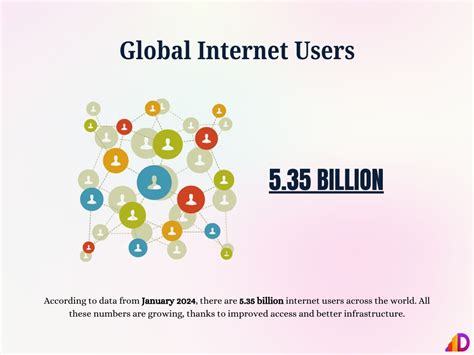
In today's increasingly interconnected world, relying on a single language for online communication is no longer sufficient. As the internet's user base expands to over 5 billion individuals, a significant portion of whom do not speak English, businesses face a vast, untapped potential. Embracing multilingual content presents a monumental opportunity for brands to broaden their reach, cultivate deeper trust, and establish a distinctive presence in the global marketplace. The absence of content in a user's native language can create a disconnect, hindering engagement and brand loyalty. Conversely, brands that invest in multilingual content demonstrate an inclusive approach, making them more accessible and welcoming to a wider demographic.
Expanding Horizons: The Strategic Imperative of Multilingualism
The internet has democratized access to information and commerce, but language barriers can still present formidable obstacles to business growth. For companies aiming to expand their audience beyond their immediate linguistic sphere, limiting their content to one language is a self-imposed constraint. Consider the impact of a potential customer - whether French-speaking, Spanish-speaking, or from Japan - encountering a brand whose offerings are exclusively in a foreign tongue. The likelihood of sustained interest diminishes significantly. When individuals encounter content presented in their native language, they are more inclined to feel acknowledged and understood, fostering a sense of connection.
This feeling of being "seen" translates directly into enhanced brand perception. Content available in multiple languages signals a brand's commitment to inclusivity and cultural respect. It communicates that the company values diversity and recognizes the importance of engaging with individuals on their own terms. This inclusive ethos draws people in, creating a memorable brand impression and fostering a stronger sense of loyalty. The ability to resonate with a global audience is an unparalleled advantage. When a brand's message transcends linguistic borders, its recognition and influence multiply. This widespread awareness, even in disparate geographical locations, solidifies a brand's position on the international stage.
Beyond Awareness: Driving Engagement Through Language
Multilingual content marketing is not merely about translation; it is a sophisticated strategy designed to foster deeper audience engagement. When individuals feel a brand "speaks their language," they are more prone to interact with the content, share it, and even advocate for it. Social media platforms, in particular, serve as fertile ground for reaching diverse audiences. By offering content in multiple languages, brands can appeal to users across various countries, significantly increasing the chances of receiving likes, shares, and comments. For instance, a brand publishing in both English and Spanish can witness their content being shared within both English- and Spanish-speaking communities, generating a ripple effect of visibility and buzz. This increased interaction directly translates to a larger social media reach and a more dynamic online presence. Those who might have previously overlooked content due to a language barrier now have an accessible entry point to explore and engage.
What are best practices for multilingual content localization?
The Art and Science of Multilingual Content Creation
The journey into multilingual content marketing begins with a crucial first step: identifying the languages most relevant to a brand's target audience. If a company observes a substantial customer base in Japan, for example, prioritizing the translation of content into Japanese is a logical starting point. However, a common pitfall for many brands is the reliance on subpar translations, often generated by automatic translation software. The accuracy and cultural sensitivity of translations are paramount. Merely swapping words from one language to another is insufficient. Each culture possesses unique values, humor, and interests that must be considered. A joke that lands well in one linguistic context might fall flat or even cause offense in another. By making subtle adjustments to content to align with cultural norms, brands can effectively demonstrate their understanding of and respect for their audience.
This nuanced approach is the essence of localization. It goes beyond literal translation to ensure that the content's intent, tone, and emotional impact are preserved and even enhanced for a specific cultural context. For example, a marketing campaign that relies on American sports metaphors might require significant adaptation to resonate with an audience in Europe, where football (soccer) or cricket might be more culturally relevant. The goal is not a word-for-word rendition but an equivalent impact that feels natural and engaging to the local audience.
Strategic Pillars of Multilingual Content
Creating effective multilingual content requires a strategic framework that considers multiple facets of communication and cultural understanding.
1. Deep Audience Research and Persona Development
Before embarking on translation, a thorough understanding of the target audience is indispensable. This involves in-depth market research to uncover user behavior, cultural nuances, language preferences, and prevailing beliefs. Methods such as interviews, surveys, focus groups, and social listening can yield valuable insights. This data allows for the segmentation of audiences, leading to the creation of detailed buyer personas for each linguistic group. These personas should reflect the collective needs, desires, and pain points of the target audience, guiding the content creation process to ensure maximum resonance.
2. Prioritizing Languages and Markets
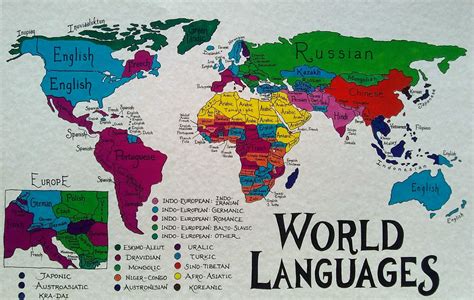
With over 7,000 languages spoken globally, it is impractical for most businesses to target every single one. A strategic approach involves identifying markets with the highest potential interest and growth opportunities. This research should consider not only the prevalence of a language but also the business's capacity to effectively serve that market. For instance, while Spanish is spoken in numerous countries, the cultural and linguistic variations within these regions necessitate localized content strategies for each specific market. Starting with a few key languages and gradually expanding based on performance and resources is often a more sustainable approach.
3. The Nuances of Translation and Localization
The distinction between translation and localization is critical. Translation focuses on converting words from one language to another, while localization adapts the content to fit the cultural, social, and linguistic context of the target region. This involves more than just linguistic accuracy; it encompasses the adaptation of visuals, humor, tone, and even the underlying message to align with local expectations. For example, what is considered humorous or engaging in one culture might be confusing or offensive in another. Visuals, too, require careful consideration, as symbols, colors, and imagery can carry different meanings across cultures.
4. Leveraging Technology and Human Expertise
While AI-powered translation tools have advanced significantly, they often fall short in capturing the subtle nuances of language and culture. A robust multilingual strategy typically employs an AI-human workflow. AI can expedite the initial translation process, while human linguists provide essential proofreading, editing, and cultural adaptation. Collaborating with native speakers and local experts is crucial for ensuring that the content is not only accurate but also culturally appropriate and engaging. These professionals can offer invaluable insights into local idioms, references, and communication styles that AI might overlook.
5. Ensuring Brand Voice Consistency
Maintaining a consistent brand voice across all languages and markets is a significant challenge, yet it is paramount for building a cohesive brand identity. While adapting content to local preferences is essential, the core brand message and values should remain recognizable. Campaigns like Coca-Cola's "Share a Coke" exemplify this balance. The core concept of personalization was universal, but the names featured on the bottles were locally popular, making the campaign feel personal and relevant in each market. Similarly, Netflix's success lies in its ability to offer a vast library of content with subtitles and dubbing in numerous languages, allowing users worldwide to experience the platform in their preferred language while maintaining the brand's core identity.
6. Optimizing for Local Search Engines (SEO)
Directly translating keywords from one language to another can lead to SEO disasters. Effective multilingual SEO requires native-language keyword research to identify the terms that local audiences actually use when searching for products or services. This involves understanding not only language-specific search queries but also the dominant search engines in particular regions. For instance, while Google is prevalent globally, Baidu dominates in China, and Yandex is the primary search engine in Russia, each with its own ranking factors and preferences. Technical SEO considerations, such as implementing hreflang tags and utilizing country-specific domains or subdirectories, are also vital for ensuring that search engines direct users to the correct localized versions of a website.
7. Adapting Content Strategy for Different Platforms and Regions
The digital landscape is fragmented, with different social media platforms and online channels holding sway in various regions. A successful multilingual strategy involves understanding where the target audience congregates online and tailoring content to suit the norms and expectations of those platforms. For example, content that performs well on Instagram in one country might need a completely different approach on Weibo in China or VK in Russia. This includes adapting content formats, posting schedules, and even the overall tone to align with local digital behaviors and preferences.
8. Embracing Diversity, Equity, and Inclusion (DEI)
When expanding globally, it is imperative to ensure that content promotes diversity, equity, and inclusion. This means avoiding assumptions about holidays, religious practices, or cultural norms that are specific to one region. Language should be inclusive, and any cultural practices or etiquette mentioned should be presented with sensitivity, avoiding the assumption that one's own culture is the default or standard. This conscious effort to be inclusive fosters a more welcoming and respectful brand image.
The Tangible Benefits of Multilingual Content Marketing
The strategic implementation of multilingual content marketing yields a multitude of tangible benefits for businesses:
Improved Market Reach and Brand Awareness
By breaking down language barriers, brands can significantly expand their global reach. Content available in multiple languages attracts a wider audience, increasing brand awareness and recognition across diverse linguistic groups. This expanded reach opens doors to new markets and customer segments that might otherwise remain inaccessible.
Enhanced User Experience and Customer Engagement
Providing content in a user's native language creates a more personalized and accessible experience. This fosters a deeper connection, leading to increased engagement, longer dwell times on websites, and a greater likelihood of conversion. When users feel understood and valued, their overall experience with the brand is significantly enhanced.
Increased Credibility and Trust
Brands that invest in multilingual content demonstrate a commitment to their global audience. This effort signals respect for different cultures and a genuine desire to connect. Such an approach builds trust and credibility, positioning the brand as a reliable and customer-centric entity. This trust is foundational for long-term customer relationships and loyalty.
Competitive Advantage and Market Differentiation
In a crowded global marketplace, offering content in multiple languages provides a distinct competitive advantage. Brands that are more accessible and relatable to a wider audience are more likely to attract and retain customers. This differentiation can be a deciding factor for consumers when choosing between similar products or services.
Boosted SEO and Organic Traffic
Optimizing content for local search engines in various languages can significantly improve a brand's search engine rankings in different regions. This leads to increased organic web traffic from targeted audiences who are actively searching for relevant products or services in their native tongue.
Navigating the Multilingual Landscape: Best Practices and Future Trends
As technology continues to evolve, the creation and management of multilingual content are becoming more streamlined. Advanced translation software, AI-driven tools, and sophisticated content management systems are empowering more brands to expand their global presence efficiently. The future of multilingual content marketing lies in its ability to seamlessly blend technological innovation with an authentic understanding of human connection. It is about more than just translating words; it is about building bridges, fostering understanding, and creating a truly global brand experience that resonates with individuals, regardless of their linguistic background. The commitment to speaking the customer's language is not merely a marketing tactic; it is a fundamental aspect of building lasting relationships and achieving sustainable global growth.
The success of brands like Coca-Cola and Netflix in leveraging multilingual content underscores its power. Their strategies, which involve not just translation but deep cultural localization, demonstrate that connecting with audiences on an emotional and personal level is key. As the digital world continues to shrink geographical boundaries, the importance of multilingual content marketing will only grow, making it an indispensable component of any forward-thinking business strategy.
tags: #platforms #offering #multilingual #awareness #content #out