Adobe InDesign has long been the industry standard for desktop publishing, empowering designers to create everything from stunning print layouts to interactive digital documents. Despite the rise of web-based media, printed materials remain highly relevant, and proficiency in InDesign is a valuable skill. This guide aims to provide a structured learning path for users of all levels, from beginners to advanced professionals, offering a curated selection of tutorials and resources to help you master this complex yet incredibly powerful software.
Understanding InDesign's Capabilities: What It's Used For
For those new to the world of desktop publishing, understanding what InDesign is used for is the crucial first step. It's a versatile tool designed for creating a wide array of publications, including brochures, magazines, books, interactive PDFs, and more. Whether you're aiming to produce professional marketing materials or intricate editorial layouts, InDesign provides the precision and control needed to bring your vision to life. This foundational understanding will help you gauge if InDesign is the right choice for your projects and how to acquire and begin using it effectively.
Getting Started: Creating Your First Document and Essential Tools
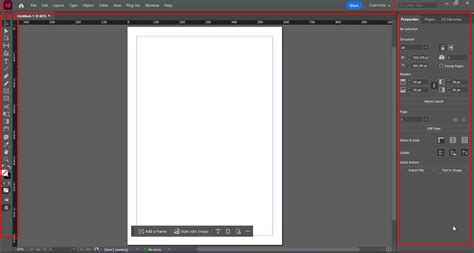
The journey into InDesign begins with the fundamental task of creating your first document. This involves understanding the various document setup options, such as page size, margins, and bleed, which are critical for professional output.
Laying the Groundwork: Document Setup and Templates
When starting a new project, you'll be prompted to set up your document. This includes defining the dimensions, orientation, and number of pages. For those looking to expedite the design process or gain creative inspiration, InDesign offers a wealth of templates. These pre-designed layouts for brochures, catalogs, newsletters, and cookbooks can serve as excellent starting points, allowing you to focus on content and customization rather than building from scratch. Bookmarking pages dedicated to specific InDesign template types can be a strategic move for frequent users.
Navigating Page Numbers
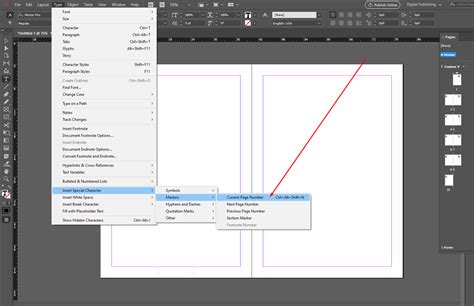
Page numbering can sometimes feel like a daunting task, but InDesign offers straightforward methods to manage it. Learning how page numbers work within InDesign is essential for creating professional, multi-page documents. A dedicated tutorial can demystify this process, ensuring your documents are correctly paginated. A particularly useful feature for consistent pagination is the ability to add a page number marker to a master page, ensuring that page numbers appear automatically and consistently across your document.
Typography Essentials: Font Selection and Styles
Typography is at the heart of compelling design. Choosing the right font can significantly impact the readability and aesthetic of your document. With an overwhelming number of choices available, finding the perfect font for a specific use case can be a challenge. Resources that offer curated lists of font pairings for various scenarios can be invaluable.
Mastering Paragraph Styles
For efficient and consistent formatting, Paragraph Styles are indispensable. This feature allows you to define a set of formatting attributes (like font, size, color, and indentation) and apply them to entire paragraphs with a single click. This not only speeds up your workflow but also ensures uniformity throughout your document. You can find dedicated tutorials that explain how to create, apply, and manage paragraph styles, significantly enhancing your productivity.
Enhancing Text with Bullet Points and Numbered Lists
Structure and clarity are paramount in document design. Bullet points and numbered lists are fundamental tools for organizing information and guiding the reader. Learning how to create and customize these elements effectively can transform a dense block of text into an easily digestible and logically flowing piece of content.
Artistic Touches: Drop Caps and Outline Stroke
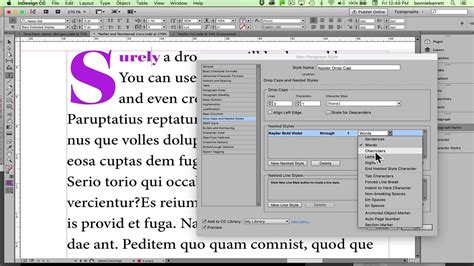
To add an artistic flair to your documents, InDesign offers features like Drop Caps, which allow you to enlarge the first letter of a paragraph for visual emphasis. Understanding how to implement this feature can elevate the aesthetic appeal of your text. Similarly, the concept of outline stroke, which involves converting text into outlines, has its specific uses and considerations. Learning when to use or avoid this technique, and how to perform it efficiently, is a valuable skill.
Text Management and Refinement
Even with the best intentions, text-related issues can arise. InDesign provides tools to manage these challenges effectively.
Tackling Overset Text
Overset text, indicated by a small plus sign in a text frame, signifies that there is more text than can fit within the frame. This is a common issue, but InDesign offers straightforward solutions. Tutorials on handling overset text cover the basics and advanced automation tips to save time and prevent content from being cut off.
Controlling Hyphenation
Hyphenation, the process of breaking words at the end of a line, can enhance readability by creating more even text spacing. However, it can also lead to awkward breaks or errors if not managed properly. InDesign provides robust controls to manage hyphenation, allowing you to enable, disable, or customize its behavior to suit your design needs.
Utilizing Spell Check and Dynamic Spelling
Typos and spelling errors can undermine the professionalism of any document. InDesign's built-in spell check feature, along with dynamic spelling (which highlights potential errors as you type) and autocorrect, are essential tools for maintaining accuracy and polish.
Image and Object Manipulation
Beyond text, InDesign excels at integrating and manipulating visual elements.
Importing and Placing Images
Learning the fastest ways to insert images into your InDesign documents is crucial for efficient workflow. This includes understanding how to place single or multiple images and how to handle images that contain text, avoiding common pitfalls.
How to import images into InDesign
Text Wrap Around Images
A powerful feature in InDesign is the ability to wrap text around images. Newer versions, powered by Adobe Sensei, offer intelligent text wrapping that can follow the contours of a subject in an image directly, eliminating the need for complex workarounds like Alpha Channels or Photoshop paths. This allows for more dynamic and integrated layouts.
Creating Clipping Masks
Clipping masks are a fundamental tool for controlling the visibility of objects. InDesign tutorials guide you through creating clipping masks from text, single shapes, or groups of shapes, allowing you to precisely frame and reveal parts of your images or graphics.
Generative Expand for Image Backgrounds
In recent advancements, InDesign's Generative Expand feature, powered by Adobe Firefly, allows users to easily fill any space around an image. This is particularly useful for extending backgrounds or adjusting image compositions non-destructively.
Structuring Your Layouts
Effective layout design relies on structure and organization.
Creating Columns
Many documents benefit from a columnar layout for improved readability and organization. InDesign offers multiple methods for creating columns, providing flexibility and control over your page structure. Mastering these techniques allows for the creation of perfectly balanced and visually appealing layouts.
Working with Layers
Layers in InDesign function similarly to those in other design software, allowing you to organize and manage different elements of your design independently. This is invaluable for complex layouts, enabling you to isolate, lock, or hide specific components for easier editing and manipulation.
Utilizing Grids for Design Harmony
For content that needs to appear well-organized and visually appealing, understanding modular grids is key. Experienced designers explain how to establish grids, the rationale behind their use, and when it's appropriate to deviate from them. Grids provide an underlying structure that ensures consistency and balance across your design.
Advanced Layout and Automation Features
As you progress, InDesign reveals more sophisticated tools for efficiency and complex designs.
Master Pages for Consistency
Master Pages are a cornerstone of efficient InDesign workflow. They act as templates for your regular pages, allowing you to place recurring elements like headers, footers, and page numbers once on the master page, which then automatically appear on all linked document pages. This ensures design consistency and saves significant time.
Creating Tables and Linking Data
InDesign provides robust tools for creating and managing tables. A multi-part series can cover creating tables from scratch, converting existing text into tables, and importantly, linking Excel files to your InDesign tables. This data linking feature is a powerful time-saver, allowing you to update tables in InDesign automatically whenever the linked Excel file is modified, eliminating tedious copy-pasting.
Auto-Adjusting Labels
For dynamic content, such as labels that need to resize based on the text they contain, InDesign offers solutions. Learning to create labels that automatically adjust their size ensures that your text remains legible and fits perfectly within its designated space.
Handling Multiple Page Sizes
When working on comprehensive branding projects, such as creating a corporate identity, you might need to design elements with different page sizes (e.g., business cards, envelopes, letterheads) within a single document. InDesign allows for this flexibility, enabling you to manage all components efficiently in one place.
Assembling Books and Long Documents
For projects involving multiple chapters, such as books or user manuals, InDesign's Book function is indispensable. It allows you to manage a collection of InDesign documents as a single unit, enabling you to synchronize styles, page numbering, and generate a unified Table of Contents and Index across all chapters.
Data Merge for Mass Production
Data Merge is one of InDesign's most powerful automation features. It allows you to create personalized documents in bulk, such as mailing labels, certificates, or business cards, by merging data from a spreadsheet or text file with a template. This is a significant time-saver for producing large quantities of similar items.
How to import images into InDesign
Advanced Catalog Creation
Catalogs are vital marketing tools, and InDesign provides the means to create them effectively. While not always a traditional tutorial, practical guides offer insights into designing compelling catalogs that showcase products attractively and efficiently.
Interactive and Digital Design
InDesign's capabilities extend beyond print into the realm of digital publishing.
Creating Digital PDFs and Apps
You can leverage InDesign to create engaging digital PDFs and even design elements for mobile apps. Courses led by industry experts delve into the principles of digital publishing, equipping you to produce accessible and interactive content for screens.
Fillable PDF Forms
Creating fillable PDF forms can be a complex and time-consuming process. InDesign offers tools that streamline the creation of forms with interactive fields, allowing users to input data directly into the document.
Responsive Design with Liquid Layout
For publications that need to adapt to different screen sizes and orientations, such as digital magazines for tablets, Liquid Layout is a crucial feature. It allows you to resize pages and automatically reflow content, making it easier to manage variations of your design.
Dynamic Publishing with XML
XML (Extensible Markup Language) opens up possibilities for dynamic publishing workflows in InDesign. By structuring your content in XML, you can automate the creation of documents, generating complex layouts and content variations with remarkable efficiency.
Advanced Accessible PDFs
Ensuring your digital documents are accessible to all users, including those with disabilities, is increasingly important. InDesign provides tools and techniques to create PDFs that are navigable and understandable by screen readers and other assistive technologies.
Advanced Techniques and Workflow Optimization
For seasoned InDesign users, mastering advanced features can unlock new levels of productivity and creative control.
The Power of GREP
GREP (Global Regular Expression Print) is a powerful pattern-matching tool that can revolutionize your InDesign workflow. It allows you to search for and manipulate text based on complex patterns, making tasks like reformatting text, finding specific characters, or applying styles to large amounts of content incredibly efficient. Mastering GREP is often considered a key to unlocking advanced InDesign proficiency.
Font and Glyph Management
Finding a specific font that contains a particular character or glyph can be challenging. Advanced techniques focus on efficiently locating the fonts needed for specialized characters, ensuring you have the right typographic tools at your disposal.
Linking Images for Synchronized Updates
For projects with numerous linked images, ensuring they update together can be a significant time-saver. Tutorials cover methods for linking images in a way that allows for synchronized changes, streamlining the update process for large or complex layouts.
Preparing Documents for Commercial Printing
Professional printing requires specific document preparation. Understanding the nuances of bleed, trim, color profiles, and resolution is critical for ensuring your printed materials look exactly as intended. Guides and ebooks dedicated to preparing InDesign documents for commercial printing offer essential insights.
Optimizing Files for Translation
When your documents need to be translated into multiple languages, design considerations can significantly impact the translation process. Ebooks and guides on optimizing files for translation focus on creating designs that are translation-friendly, leveraging InDesign's tools to facilitate a smoother localization workflow.
Where to Find Help and Discover Hidden Features
Beyond structured tutorials, a wealth of resources exists to help you troubleshoot, learn new tricks, and stay updated with InDesign.
InDesignSecrets: A Hub for Experts and Enthusiasts
InDesignSecrets is an indispensable blog for anyone serious about mastering InDesign. It's a treasure trove of tips, tricks, and in-depth articles from experienced InDesign professionals. The site also publishes a monthly magazine and hosts a weekly podcast, offering diverse ways to engage with the InDesign community. Subscribing to their newsletter is a highly recommended way to receive weekly updates and valuable insights directly to your inbox.
Official Adobe Forums
For direct support and to ask specific questions, the official Adobe forums are an excellent resource. Here, you can connect with other users and Adobe support staff to find solutions to your InDesign challenges.
Online Learning Platforms and Courses
While this guide focuses on tutorials, structured courses offer a more comprehensive learning experience. Platforms like Udemy host a wide array of InDesign courses, from beginner essentials to advanced masterclasses, often taught by industry-leading professionals. Courses like David Blatner's "InDesign CC 2018 Essential Training" are praised for their accessibility and modular structure, allowing learners to focus on specific topics relevant to their current projects.
Conferences and Events
For those seeking immersive learning experiences and insights into the future of creative technology, attending industry conferences like Adobe MAX is invaluable. These events offer keynotes, breakout sessions, and networking opportunities with top creatives and product experts.
By leveraging this comprehensive guide and the wealth of resources available, you can embark on a journey to truly master Adobe InDesign, enhancing your design capabilities and boosting your professional productivity.