White, a color often perceived as singular and absolute, is in reality a spectrum of subtle variations, each possessing unique characteristics that influence design and perception. While pure white (#FFFFFF) represents the zenith of brightness in digital and print media, a myriad of "broken" whites offer designers a richer palette to explore. This article delves into the intricacies of these nuanced shades, with a particular focus on their CMYK color values, historical context, psychological impact, and practical applications, especially within UI/UX design.
The Essence of White: Beyond Purity
White is an achromatic color, meaning it lacks hue and saturation. In the realm of color theory, it is understood as the combination of all colors within the visible spectrum. Although not typically found on a standard color wheel, white is indispensable in color mixing. It serves to lighten and soften other colors, creating delicate tints and pastel shades. In digital interfaces, white is a cornerstone for establishing contrast and balance, fostering a clean, minimalistic aesthetic that enhances user experience.
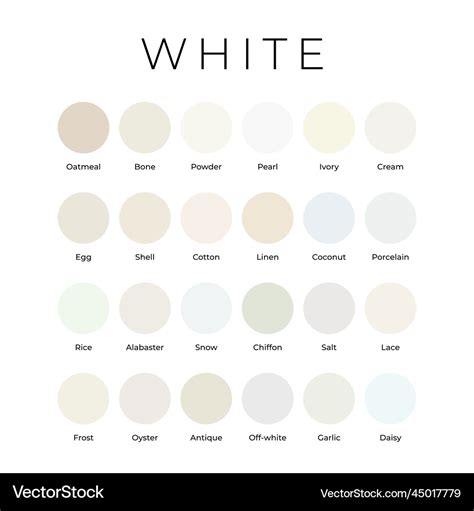
The definition of white, especially in digital contexts, is crucial for ensuring visual consistency across diverse platforms and devices. The archetypal white is represented by the HEX code #FFFFFF and an RGB value of 100% red, 100% green, and 100% blue. However, the practical application of white in design often necessitates a departure from this pure form to achieve specific aesthetic and functional goals.
Understanding CMYK and Color Representation
For print design and production, the CMYK (Cyan, Magenta, Yellow, Key/Black) color model is paramount. Unlike RGB, which is additive and light-based, CMYK is subtractive and ink-based. This means that white in CMYK is not an active color but rather the absence of ink on a white substrate, such as paper. When we speak of "broken" whites in CMYK, we are referring to the precise percentages of cyan, magenta, yellow, and black inks that are combined to create a shade that is almost white, but with subtle undertones.
The user-provided data offers a specific example: British Paints Broken White. Its CMYK values are not explicitly stated in the initial text, but its RGB values are 234, 221, 200, and its HEX code is #EADDC8. To translate this into CMYK, we can infer that this broken white will contain small percentages of the CMYK inks to shift it away from pure white. For instance, a common approach to creating a warm broken white like this might involve minimal amounts of yellow and perhaps a touch of magenta or cyan to achieve the desired hue. The Light Reflectance Value (LRV) for British Paints Broken White is noted as 73.14, indicating it reflects a significant amount of light, making it a bright yet not stark shade. The Hue Angle of 84.24 and Chroma of 11.95 further define its position on the color wheel and its color intensity, placing it in the yellow-red quadrant with moderate saturation.
Historical and Cultural Significance of White
White has been a significant color throughout human history, deeply intertwined with cultural practices and artistic expression. Prehistoric cave paintings, such as those found in Lascaux, France, utilized white pigments derived from minerals like chalk, limestone, calcite, and gypsum to depict animals and scenes. Ancient civilizations, including the Greeks, Romans, and Egyptians, incorporated white pigments into their art, sculpture, pottery, and architecture. In these cultures, white was frequently associated with purity, sacrifice, and divinity, often adorning the garments of priests and signifying sacredness. This symbolism persists in many religious and cultural traditions globally.

In Western cultures, white is traditionally linked to purity and innocence, famously evident in wedding ceremonies and baptisms. Conversely, in some Eastern traditions, white can symbolize mourning, death, or spiritual renewal. This duality underscores the importance of cultural context when employing white in design, especially for a global audience.
The 20th century witnessed advancements in pigment production, with titanium dioxide revolutionizing the creation of white paints and becoming a primary pigment. This increased accessibility further cemented white's role in art and design.
The Psychology of White
In color psychology, white is often perceived as evoking feelings of peace, tranquility, and calmness. It can contribute to a serene atmosphere, making it a suitable choice for spaces or designs aiming to reduce stress. However, in certain contexts, an overwhelming or stark white environment can also trigger feelings of emptiness, isolation, or sterility, as seen in minimalist hospital rooms or empty spaces. The impact of white is therefore highly dependent on its application and the surrounding elements.
White in UI/UX Design: Functionality and Aesthetics
In UI/UX design, white is a highly versatile and effective tool. Its primary function is to enhance readability by providing a clean backdrop that makes text, buttons, and other interactive elements stand out. This improves the user's ability to quickly digest information and navigate an interface.
White space, often referred to as negative space, is crucial for creating visual harmony and balance within a design. It guides the user's eye, directing focus from one element to another and preventing cognitive overload. A well-utilized white space contributes to a clean, uncluttered interface, reducing user fatigue and delivering a more enjoyable and intuitive experience.
Furthermore, white is intrinsically associated with cleanliness, freshness, and simplicity. This minimalistic aesthetic can convey a sense of order, efficiency, and trustworthiness, making it particularly well-suited for designs in the medical, health, and technology sectors.
🔸 The ONLY Colour Theory Video You Ever Need To Watch!
Variations of White: Tints, Tones, and Shades
The user-provided text highlights that "there are just as many shades of white as there are other colors." This is a critical point for designers. While pure white (#FFFFFF) is the standard, numerous variations exist, each offering a distinct character:
- Off-white (#F2F0EF): Possesses a subtle gray undertone, imparting a soft and cool appearance.
- Ivory (#FFFFE3): Introduces a warmer touch with a faint yellow undertone, reminiscent of natural ivory.
- Seashell (#FFF1E7): Features a delicate pinkish undertone, evoking the subtle hues of seashells.
- Cream (#FDFBD4): Adds warmth with a pale yellow hue, similar to dairy cream.
Beyond these general categories, a rich lexicon of specific white shades has emerged, often named after natural elements, historical artifacts, or subjective perceptions:
- Snow: Pure, crisp, and often associated with winter.
- Ghost White: A subtle, almost transparent white with faint gray and blue hues.
- Silver White: Less blue than Ghost White, with silvery gray tones.
- Baby Powder: A soft white with yellow undertones, like talcum powder.
- Snowy White: A pure white shade, evoking fresh snowfall.
- Floral White: A very pale yellow that classifies as white, often used for wedding gowns or wall paint.
- Cornsilk: A yellowish white, resembling dried cornsilk.
- Old Lace: A white with yellow and orange tones, characteristic of vintage lace.
- Parchment: A textured white, reminiscent of old writing paper.
- Antique White: Often associated with vintage items, thrift store finds, and old pottery.
- Champagne: A pale, straw-colored yellow with a shimmery, translucent quality.
- Eggshell: A slightly tan or creamy, pale tannish-yellow hue, similar to the color of eggshells.
- Bone: A white with gray and yellow undertones, suggesting an aged or antique quality.
- Vanilla: A rich off-white with creamy, almost yellow tones, inspired by vanilla ice cream or cake.
- Flax: An off-white with a golden hue, derived from the flax plant.
- Navajo White: A unique shade with cooler tones of yellow, green, and gray, based on the Navajo Nation flag.
- Alabaster: A soft white with yellow, green, and gray undertones, named after the mineral.
- Chiffon: A white with a warm hint of peach.
- Cloudy White: A shade with a slightly stormy appearance, reminiscent of clouds.
- Fence Post: A soft white with a silvery sheen, like that seen on old fence posts.
- White Rose: A soft white with a slight hint of cream.
- Misty: A very slight gray, close to white.
- Link White: A white with a slight hint of blue.
- Spring: A soft gray, reminiscent of spring rain clouds.
- Snow Drift: A snowy white tinged with blue and gray.
- Peppermint: A pale mint-green white shade, inspired by the peppermint plant.
- Merino: A very faint taupe, named after merino wool, offering a neutral undertone.
- Coffee: A creamy white with warm undertones, like coffee creamer.
- Soft Peach: A white with subtle warm undertones.
- Angelic: A bluish-green shade of white.
- Audience Anger: A white with prominent blue undertones.
- Cough Mixture: A decidedly gray white.
- Albescent White: A reddish color fading into white, with a slightly ruddier look.
- Coconut White: A diluted version of Albescent White with more yellow.
- Pink Himalayan Salt White: A very slightly red shade of white.
- Frost: A white with the barest hint of black.
- Vintage White: A warm, parchment-like white.
- Rice: A very slight off-white with a warm undertone.
- Daisy: A balanced white with equal amounts of red, green, and blue.
- Powder: A light white with a bit of yellow and black, avoiding extreme warmth or shadow.
- Pearl: A soft, snowy white with a luster similar to a pearl.
- Paris White: A cool white with bluer undertones, containing more cyan and black.
- Cup Cake: A white with noticeable hints of blue and more cyan than other CMYK components.
- Benjamin Moore White: A calming white that creates a sense of peace.
- Warm Whisper: A warm white evoking a sense of home and safety.
- White Whisper: A sleek, modern white with cool undertones and a hint of blue, exuding authority.
- Greek Villa: An evocative white with an impressive presence, suggesting summer getaways.
- Diamond White: A sophisticated white capturing the gleam of a diamond.
- Decorator's White: A middle-of-the-road white, balanced and versatile.
- Overcast White: A soft white reminiscent of snow-colored hillsides on overcast days.
- Grayish White: A sophisticated shade with a hint of warmth and a higher black proportion.
- Hog Bristle Quarter: An inviting warm white with yellow, black, and a touch of red.
- Simply White: A dynamic, energetic white with a rosy undertone, suitable for text backgrounds and walls.
- Oyster White: True to its namesake, this white has a touch of warmth due to yellow and less red.
- Watery White: A bluish white with a plain white overlay, containing cyan but no yellow or magenta.
- Lexicon Quarter: A fainter shade of Lexicon with a little black.
- Alice Blue: A pale blue so diluted it can be considered white, with no black but a hint of blue.
- Honeydew: A pale white with faint green undertones, like a honeydew melon.
- Mint Cream: A refreshing white with faint green undertones, but a cooler, blue-hued feel.
- Milk: A white with subtle warm yellow undertones tempered by a hint of cyan.
- Pomelo White: A yellowish white, resembling diluted pomelo blooms.
- Anti-Flash White: Historically used on aircraft to reflect radiation from nuclear blasts.
- Magnolia: A blue-gray white, less bright than magnolia blooms.
- Azure White: A white with just a hint of azure blue, containing cyan but no magenta, black, or yellow.
- Huntington White: A white with hints of red and gray.
Complementary and Contrasting Colors
The choice of colors to pair with white significantly impacts the overall aesthetic and message of a design.
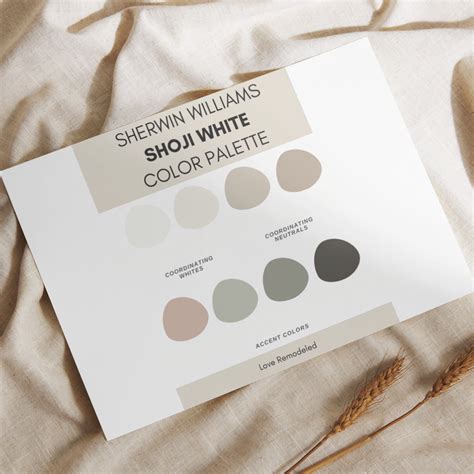
Complementary Colors for White:
- Black (#000000): Creates a classic, timeless, and high-contrast pairing.
- Mint Green (#ADEBB3): Adds softness and an airy feel.
- Misty Blue (#B5C7EB): Evokes tranquility and a calm atmosphere.
- Brown (#895129): Offers rich hues for a warm, natural palette.
- Sage Green: For an earthy combination.
- Periwinkle: For a whimsical feel.
- Baby Blue: To ground whiteâs freshness.
Colors that May Clash with White:
- Cool Gray (#CBCBCB): Can appear dull when paired with stark white.
- Neon Green (#2CFF05): Creates a harsh, visually straining contrast.
- Yellow (#FFFF00): May appear too bright and jarring next to pure white.
- Cyan (#00FFFF): Its striking contrast can feel overwhelming.
Accessibility Considerations
In UX/UI design, ensuring accessibility is paramount. Plugins are available in platforms like Figma to help designers meet Web Content Accessibility Guidelines (WCAG). These guidelines often focus on sufficient color contrast between text and background to ensure legibility for users with visual impairments. While white provides excellent contrast for dark text, the specific shade of white and the chosen accent colors must be carefully evaluated. For instance, a very light off-white might require darker text than pure black text on pure white to maintain adequate contrast ratios.
Color Harmonies and Palettes
White can be integrated into various color harmonies:
- Monochromatic: Using different shades and tints of white itself.
- Analogous: Pairing white with colors adjacent to it on the color wheel, like very pale blues or yellows.
- Complementary: Pairing white with its direct opposite (if considering white as a conceptual point of balance) or with colors that create strong visual interest.
- Triadic/Square: Using white as a neutral to balance more vibrant combinations.
The provided text also mentions specific palettes that incorporate white, such as:
- Salt And Pepper: Suggests a high-contrast palette, likely involving black and white.
- Urban Vogue: Implies a modern, possibly sophisticated palette where white plays a key role in creating a clean backdrop.
- Pastel Softness: Highlights the use of white to create gentle, muted color schemes.
The Future of White in Design
As design trends evolve, white continues to be a foundational element. Its ability to create space, enhance clarity, and convey a sense of purity and modernity ensures its enduring relevance. Whether used as a stark, unadulterated background or as a subtle, nuanced shade within a complex palette, white, in all its broken forms, remains an indispensable tool for designers. Understanding the specific CMYK values, the psychological implications, and the cultural connotations of these white variations allows for more intentional and impactful design choices. The exploration of "broken white" is not merely an academic exercise but a practical necessity for any designer aiming to create sophisticated, accessible, and aesthetically pleasing visual experiences.