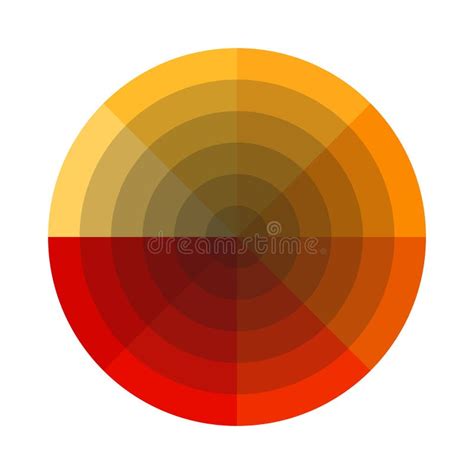
Copper, a warm orange-brown shade, carries with it inherent qualities of strength and comfort. Positioned within the red-orange segment of the color wheel, it masterfully conveys a sense of durability and energy, all while maintaining an earthy, grounded presence. This rich hue, often associated with its namesake metal, has a long and fascinating history, evolving from practical early uses to a sophisticated element in modern design. Understanding its color values and psychological impact is key to harnessing its full potential in any creative endeavor.
Decoding Copper's Digital Identity: Hex, RGB, and CMYK
To ensure consistency and accuracy in digital and print applications, copper is precisely defined by a set of color codes. While the provided information focuses on digital representations, the understanding of these values is foundational for translating the color across different mediums.
The primary digital identifier for copper is its HEX code: #C68346. This hexadecimal code represents a specific combination of red, green, and blue light that forms the color on screens.
In the RGB (Red, Green, Blue) color model, which is fundamental to digital displays, copper is described by the following values: 77.6% red, 51.4% green, and 27.5% blue. These percentages indicate the intensity of each primary light component, with red being the dominant factor, followed by green and then blue, contributing to its characteristic warm, reddish-brown appearance.
For print design and professional color reproduction, the CMYK (Cyan, Magenta, Yellow, Key/Black) color model is essential. While specific CMYK values for #C68346 were not explicitly provided in the source material, they can be derived through color conversion tools or by understanding the principles of subtractive color mixing. Generally, a color like copper, which is rich in red and orange tones, would require significant amounts of magenta and yellow, with a smaller proportion of cyan and a controlled amount of black to achieve the desired depth and warmth. A typical conversion might yield values in the range of:
- Cyan: 0-20%
- Magenta: 30-50%
- Yellow: 60-80%
- Black: 10-30%
These are approximate figures, and precise CMYK values will vary depending on the specific color profile used and the desired output. The goal is to replicate the warm, metallic sheen and earthy depth that copper is known for, which often involves a careful balance of these four ink colors.
The Psychology and Symbolism of Copper
Beyond its visual appeal, copper carries a rich tapestry of psychological associations and symbolic meanings. In color psychology, copper's inherent warmth translates into feelings of comfort, assurance, and optimism. The reddish tones within copper can subtly stimulate the mind and encourage creativity, offering a slight boost of energy and motivation. Simultaneously, its grounding natural tones evoke a sense of trust and stability, making it a color that feels both invigorating and secure.
Historically, the metal copper has been valued for its durability and utility, dating back to 8000 B.C. when it was first used for tools and objects. This long association with practicality and resilience lends the color copper an aura of stability and security. Furthermore, in some cultures, copper has been believed to possess healing properties, adding a layer of mystique and well-being to its perception.
The connection to nature is also a significant aspect of copper's symbolism. Its earthy tones perfectly complement nature-inspired designs, creating a calming and inviting atmosphere. This natural color connection fosters a sense of groundedness and authenticity, making it an excellent choice for designs aiming to evoke a sense of the organic and the real.
Strategic Applications of Copper in Design
Copper's versatility makes it a compelling choice across various design disciplines, from UI/UX to graphic and industrial design. Its richness makes it ideal for accents and highlights, effectively drawing attention to important elements without being overly aggressive. The warmth it imparts creates a welcoming atmosphere, making it particularly suitable for interfaces that aim to promote relaxation or creativity.
Adding Warmth and Depth
Copper's inherent golden glow fosters a welcoming and inviting user experience. Subtle copper gradients can be employed for backgrounds or textures to add a sense of depth and sophistication without overwhelming the user. This technique can transform a flat design into something more dynamic and engaging, inviting users to explore further.

Tying in Natural Elements
The warm, earthy tones of copper perfectly complement nature-inspired designs. This natural color connection creates a calming and inviting atmosphere. Whether it's in illustrations, environmental graphics, or branding for eco-conscious products, copper can reinforce the connection to the natural world.
Creating a High-End or Vintage Feel
Copper's association with precious metals lends it an undeniable touch of elegance and timelessness. Buttons, icons, or borders rendered in a subtle copper sheen can add a touch of sophistication to digital interfaces or print materials. For a vintage aesthetic, incorporating copper textures that resemble aged copper surfaces can evoke a sense of history and nostalgia, appealing to a desire for authenticity and enduring quality.
UI Design Considerations
In UI design, copper can be a powerful tool. Its richness makes it ideal for accents and highlights, drawing attention to important elements like call-to-action buttons or key navigation items. The warmth it generates creates a welcoming atmosphere, perfect for interfaces promoting relaxation or creativity, such as wellness apps or artistic platforms. However, due to its visual strength, it is crucial to use copper strategically. Avoiding overuse is essential to prevent an overwhelming effect and to maintain the clarity and usability of the interface.
Accessibility and Color Choices
Accessibility considerations play a crucial role in UX and UI design color choices. It is important to ensure that designs meet Web Content Accessibility Guidelines (WCAG). Figma, for instance, offers plugins in its Community to assist designers in making sure their color selections are accessible to all users, including those with visual impairments. When using copper, designers should test contrast ratios, especially when pairing it with text or other UI elements, to ensure readability.
For example, testing the contrast between #C68346 and a white background (#FFFFFF) indicates a contrast ratio of 3.12:1 for large text, which falls into the "Fail" category for WCAG AA standards for normal text but might be acceptable for large text in certain contexts. A contrast ratio of 6.74:1 for #C68346 against a white background for large text suggests better readability. Designers must prioritize sufficient contrast to ensure that important information is discernible.
Exploring Copper's Color Relatives and Palettes
To fully leverage copper's potential, understanding its place within the broader color spectrum and its harmonious pairings is essential.
Variations within the Copper Spectrum
For designers seeking variations within the same glowy spectrum as copper, several analogous colors offer nuanced alternatives:
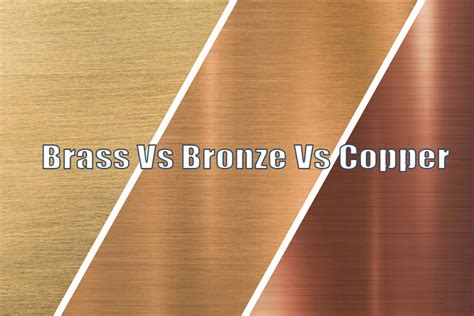
- Bronze (#CE8946): Shares a similar warm reddish-brown base with copper but leans slightly grayer, creating a more muted and earthy tone.
- Cinnamon (#D47E30): Leans warmer than copper, incorporating its rich tones with a stronger red base for a more vibrant and spicy look.
- Rose Gold (#DEA193): Shares the warmth of copper but with a lighter, pinker base, offering a more delicate and romantic feel.
- Burnt Sienna (#ED7B58): A deep, rustic red-brown with earthy tones like copper but with a more pronounced touch of orange, giving it a more fiery and grounded quality.
Complementary Colors for Copper
To create balanced and visually appealing designs, pairing copper with complementary colors is a strategic approach. These pairings can enhance copper's warmth or provide a striking contrast:
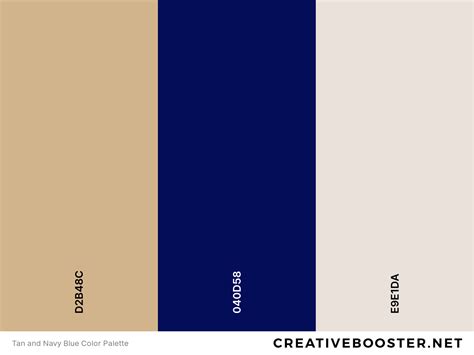
- Taupe (#54463A): Acts as a calm, neutral background for copper accents, allowing the copper to stand out without competing.
- Navy Blue (#000080): Complements copperâs warmth to create a luxurious and sophisticated feel, often used in high-end branding.
- Cream (#FDFBD4): Creates a light, airy contrast to copperâs richness, offering a sense of balance and spaciousness.
- Turquoise (#40E0D0): Offers a striking and visually interesting contrast when paired with copper, creating a vibrant and energetic combination.
Other colors worth considering for their synergistic effects with copper include:
- Green Sage: For a calming, natural appearance, evoking a sense of tranquility.
- Marigold: For a pop of vibrant color that harmonizes with copper's warmth.
- Terracotta: For an earthy pairing that reinforces copper's grounded nature.
Colors That May Clash with Copper
While copper is a versatile color, certain hues can create an unharmonious or overpowering effect:
- Neon Green (#2CFF05): Its extreme saturation can overpower copperâs warmth, creating a jarring visual experience.
- Light Blue (#90D5FF): Lacks sufficient contrast when paired with copperâs richness, potentially creating a washed-out or muddy palette.
- Orange (#FFA500): Can clash with the red-brown tones of copper, leading to a muddy or indistinct color interaction.
- Black (#000000): While sometimes used for contrast, an excessive amount of black can create a heavy, dark feel when paired with copper, diminishing its warmth.
- Yellow (#FFDE21): Highly saturated yellows can overpower the subtle warmth and depth of copper, making the copper appear dull in comparison.
The Historical Trajectory of Copper as a Color
Unlike some colors with deeply embedded symbolic histories tied directly to their hue, copper's story is intrinsically linked to its namesake metal. The metal itself boasts an ancient lineage, with evidence of its use dating back to 8000 B.C. Early civilizations recognized and utilized the naturally occurring metal for crafting tools, weapons, and decorative objects, establishing its early association with utility and artistry.
As color theory began to develop in the 18th and 19th centuries, the distinct hue of the metal copper became recognized as a color in its own right. The word "copper" as a color name only appeared in the English language in 1594, marking a formalization of its descriptive use. This period saw the linking of the metal's visual appearance with its linguistic identifier, solidifying copper as a recognized color. Today, the color copper continues to be employed across design and art to imbue projects with a touch of elegance, a sense of history, and the enduring allure of its metallic inspiration.
A curated look: why artists painted on copper | National Gallery
Color Harmonies and Custom Palettes Featuring Copper
To further explore the application of copper, understanding various color harmonies and how they can be applied in custom palettes is beneficial. These frameworks provide structured approaches to color selection, ensuring visual coherence and impact.
Monochromatic Palettes
A monochromatic palette utilizes variations of a single color, in this case, copper. This involves using different shades (darker versions created by adding black), tints (lighter versions created by adding white), and tones (versions with gray added) of copper. A monochromatic copper palette can create a sophisticated and unified look, emphasizing texture and form through subtle shifts in value and saturation.
Analogous Palettes
Analogous color schemes are built around colors that are adjacent to each other on the color wheel. For copper, this would typically involve colors in the red, orange, and yellow families. Combinations with cinnamon, burnt sienna, or even deeper reds and warmer yellows can create harmonious and visually pleasing palettes that retain a sense of warmth and richness.
Complementary and Split-Complementary Palettes
A complementary palette uses colors directly opposite each other on the color wheel. For copper (a red-orange), its direct complement would be a blue-green. A split-complementary palette offers a softer approach, using the two colors adjacent to copper's direct complement. For copper, this might involve pairing it with a teal and a blue-violet. These palettes create strong visual contrast while maintaining a degree of balance.
Triadic and Square Palettes
Triadic color schemes involve three colors evenly spaced around the color wheel. A triadic palette with copper might include a blue and a green, creating a vibrant and balanced combination. Square palettes utilize four colors evenly spaced around the wheel. These more complex schemes require careful balancing to ensure that copper's warmth is effectively integrated without overpowering the other hues.
Custom Palettes Inspired by Copper
Beyond theoretical frameworks, custom palettes can be inspired by specific contexts where copper is found or used:
- Copperwood: This palette might evoke the rich, dark tones of wood often associated with copper accents, perhaps combining deep browns and subtle copper highlights.
- Mediterranean Haven: This palette could blend copper with the blues of the sea, the whites of coastal architecture, and the earthy tones of terracotta, creating a warm and inviting atmosphere.
- Contrast 3.12: This could refer to a palette where copper is used with a specific focus on achieving a particular contrast ratio, perhaps pairing it with a muted gray or a deep indigo to ensure legibility and visual interest.
These custom palettes demonstrate how copper can be integrated into a wide array of aesthetic themes, from natural and rustic to luxurious and modern. The key lies in understanding its inherent properties and how it interacts with other colors to achieve the desired emotional and visual impact.