In today's saturated marketplace, a strong brand presence is no longer a luxury but a necessity. Brands like Nike, Google, and Target have become so deeply ingrained in our daily lives that they are instantly recognizable, influencing our purchasing habits and fostering unwavering loyalty. This phenomenon, known as brand awareness, is the extent to which consumers can recognize and recall a brand, its products, or its services. When brands are memorable and recognizable, customers don’t have to think twice about becoming a repeat customer. They are loyal to the brand based on the trust and affinity they have built up over time. Iconic brands have become so beloved by customers and known to all that they are easily and instantly recognizable. When we see the golden arches, we automatically think of McDonald's. The red bullseye says Target, without having to say “Target.” Seen the latest Dorito bag? They’ve been around for so long and have gained such a presence that they don’t even have to write their name on the bag of chips any longer. However, when you see the red bag, you know it’s the nacho cheese flavor. If you see the blue bag, then you know to associate that with the cool ranch flavor. While it takes a considerable amount of time and money to create the level of brand awareness the likes of McDonalds, Target, and Doritos, there are ways for companies of any size within any sector to increase brand awareness and the benefits that come with it. The more recognizable your brand becomes in a positive way, the better potential you have at retaining existing customers and attracting new ones.
Understanding Brand Awareness: Beyond Recognition
Brand awareness is more than just a logo or a catchy jingle; it's the foundation upon which customer relationships are built. It's about ensuring that when consumers need a particular product or service, your brand is the first one that comes to mind. This "top-of-mind" awareness is crucial, especially in the early stages of a business or product launch, as prospects are often in the information-gathering phase. A brand awareness campaign is a planned strategy designed to imprint your brand in the hearts and minds of your audience, featuring convincing narratives, captivating visuals, and experiences that resonate on a deeper level.
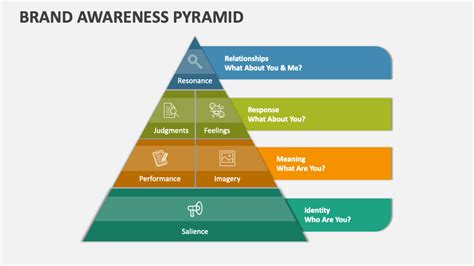
While brand recognition focuses on a consumer's ability to identify a brand based on visual cues like logos and colors, brand awareness takes it a step further. It encompasses recalling the business name, the general feeling associated with the brand, information about its products and services, and other experiential details. When a business achieves a significant level of brand awareness, its marketing and advertising efforts gain deeper meaning for the audience. The ultimate apex of brand awareness can be seen in proprietary eponyms, where a brand name becomes synonymous with the product category itself - think "Kleenex" for tissues or "Coke" for cola. While achieving this level might be ambitious for smaller businesses, significant strides can be made to boost brand visibility.
The Multifaceted Process of Building Brand Awareness
Increasing brand awareness is a multifaceted process that often requires a simultaneous promotion across various channels. The goal is to ensure your audience knows about your brand and, crucially, trusts it. This involves a strategic blend of creativity and data-driven insights. Before embarking on a campaign, it's essential to evaluate if the timing is right; brand awareness campaigns are particularly effective when entering new markets or revamping a brand's image.
The journey begins with a deep understanding of your target audience - their pain points, wants, and preferences. Armed with these insights, you can craft a compelling brand message that speaks directly to their needs. This message should be delivered through creative visuals and storylines that captivate attention and leave a lasting impression. Measuring the success of these campaigns is vital for refining strategies and maximizing impact, by monitoring key metrics such as reach, impressions, clicks, cost per impression or click, and social media engagement rates.
Key Strategies for Cultivating Brand Awareness
Several strategic avenues can be explored to enhance brand awareness. These strategies, when implemented cohesively, create a compounding effect, strengthening brand visibility and recall.
1. Advertising: The Engine of Brand Visibility
Advertising serves as the primary vehicle for driving brand awareness. It educates the public about a company's products or services while simultaneously imbuing the brand with personality, thereby building trust between the consumer and the company. Through advertising, consumers learn about your company and services provided, and familiarity is established. Utilizing key performance indicators (KPIs) helps determine the most effective channels and their supporting roles.
Paid search campaigns, for instance, are highly effective for building brand awareness as they allow for trackable success. Companies can create campaigns designed to capture attention and connect with audiences on causes they care about. A 2018 study indicated that younger audiences recalled more ads via social media than any other form of advertising, presenting an opportunity for companies to drive social change and reach these demographics by discussing relatable and relevant topics. Online display advertising offers a visually compelling way to showcase a brand to a broader audience across the web, from banner ads to pop-ups, capturing attention and driving engagement.
The Evolution of Advertising From Print to AdNetworks
Targeted advertising, which leverages data to display advertisements to specific audiences based on demographics, interests, and behaviors, ensures precise and accurate ad delivery. This allows businesses to tailor messages to unique audience segments, creating highly relevant and engaging advertising experiences. Traditionally, online marketers have utilized the display network to build brand awareness, generating thousands of affordable impressions and, with enticing ads, a good chance of affordable clicks.
2. Referral Programs: Harnessing the Power of Word-of-Mouth
Referral programs are an excellent method to spread brand awareness by leveraging existing customers to promote through word-of-mouth. These programs encourage current customers to share their positive experiences with friends and family, typically in exchange for an incentive. This incentive can range from cash or significant discounts to exclusive access to apps or programs.
Koodo Mobile, for example, implemented a referral program where both the referrer and the referred customer received a $25 discount. This initiative led to a 167% reduction in customer acquisition costs and a tenfold return on investment. T-Mobile took a unique approach by offering current and new customers the opportunity to own company shares for successful referrals, generating significant media attention. Referral programs not only bring in new customers but also help companies avoid overspending on customer acquisition, thereby building brand equity and retaining more customers.
3. Events: Creating Immersive Brand Experiences
Companies have long recognized the promotional power of events that attract crowds or are televised. Brand names are visible on everything from large signs and electronic scoreboards to t-shirts, banners, and water bottles. Sponsoring an event puts your brand in front of a larger audience of potential customers and supporters, forging a connection between your company and the event, and signaling aligned values and interests.
Sponsorship can foster goodwill with event organizers and participants, enhance public relations within the community, and demonstrate corporate social responsibility. Brands can sponsor a variety of events, including podcasts, webinars, Q&A sessions with industry leaders, sporting events, or performing arts. To connect with a greater cause, sponsoring nonprofit and charitable events is also an option. It is crucial to be mindful of how the brand will be perceived by the audience and to steer clear of controversial or overly political events. Experiential marketing, through well-designed booths at trade shows and events, builds emotional connections that digital ads alone cannot achieve, creating shareable moments designed for attendees to capture and post, extending the impact far beyond the physical space.

4. Social Media: Engaging in the Digital Agora
Social media platforms empower companies to promote and advertise themselves, reaching larger audiences and presenting their brand in ways that traditional commercials or billboards cannot. Through a series of posts, companies can explain the significance of their products and build relationships with consumers.
Organic social media, which utilizes free tools to engage and interact with online followers, builds trust and loyalty as customers feel they are communicating with a real person. However, paid social media is often necessary to reach broader and more targeted audiences. Paid social media can reinforce the values and messaging delivered through organic content and allows companies to establish specific metrics for targeted analysis, often aided by tools like Google Analytics.
Influencer marketing, a growing strategy, leverages mentions and endorsements from individuals with substantial followings who are often perceived as experts in their fields. When influencers mention a company's product, their followers are more likely to try it. Social media advertising, in general, provides a perfect platform to elevate brand awareness and establish a lasting presence. With 5.31 billion social media users worldwide as of April 2025, its expansive reach attracts new audiences and enhances attention around offerings.
The Evolution of Advertising From Print to AdNetworks
5. Content Marketing: Telling Your Brand's Story
Content marketing helps build brands by allowing customers to learn more about a brand's qualities and specifications, differentiating it from competitors. Various content types contribute to a stronger brand:
- Blog Posts: Blogs offer an informal avenue to establish a brand's personality, connect with audiences through a relatable tone, and build trust by demonstrating expertise. Studies have shown that 94% of blog posts with visuals receive more engagement.
- Videos: Videos tell a visual story, offering opportunities for creativity through unedited footage, executive interviews, or imagery to describe a brand or product.
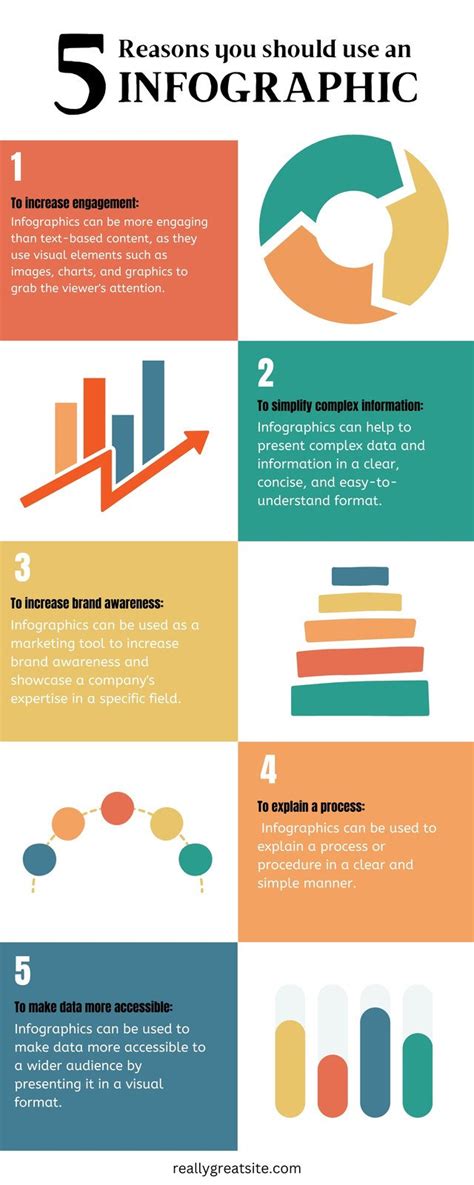
- Infographics: These are visually appealing, easy-to-follow, and understand, making them more enjoyable for audiences than traditional articles.
- Freemium Content: Offering a free sample or limited-time access to an online product at no cost acts as "bait" to draw audiences in. Streaming services like Netflix and Hulu utilize trial periods, while SurveyMonkey offers basic tools for free before requiring a paid plan for robust features. This approach signals that customer needs are a priority.
- Storytelling: Creating emotionally moving and compelling stories that connect deeply with users ensures they won't soon forget your brand. This is a timeless strategy for building a memorable brand.
- Podcasts: Starting an industry-specific podcast, especially in niche markets with less competition, can help establish a brand as a household name while developing relationships within the field.
High-quality, informative content positions a brand as an industry leader, building trust with potential customers. Data-driven strategies, such as predictive analytics, can anticipate customer needs and adjust campaigns accordingly.
Leveraging Digital and Traditional Avenues
In today's interconnected digital age, numerous solutions exist to spread brand awareness. Joining forces with industry-specific content publications that share branded newsletters can place your brand in front of the right audience. Offering a newsletter subscription for prospects to sign up to is another effective method.
While digital strategies dominate, traditional marketing efforts like corporate gifting, networking events, and trade shows still provide immense value, especially for businesses reliant on personal connections. Giving away high-quality branded items creates a memorable experience and strengthens relationships. Well-designed booths at trade shows, featuring eye-catching displays and signage, create a strong visual impact. High-quality, practical branded giveaways encourage attendees to remember your brand long after the event.
Building Brand Equity and Customer Loyalty
Acquiring new customers is important, but retaining existing ones is often equally crucial. Repeat customers tend to spend more and are more likely to refer others, making them a powerful force in increasing brand awareness. Loyalty programs should offer real value and make customers feel appreciated and engaged. Combining loyalty programs with promotional merchandise can provide physical rewards that increase brand exposure.
Brand awareness drives revenue by establishing familiarity and trust. Companies with strong brand recall close deals faster because prospects already know them, making every marketing dollar more efficient. This leads to higher conversion rates, reduced marketing costs, and premium pricing power. Brand awareness acts as a business moat, and in crowded markets, brands that occupy the top-of-mind position capture the majority of purchase intent.
The Importance of Consistency and Measurement
Consistency is key in brand building. Whether through content marketing, paid advertising, or direct customer engagement, each method serves a purpose. A successful brand awareness strategy depends on understanding your audience and how they engage with your industry. For B2C brands, engaging and visually compelling campaigns are vital, utilizing social media marketing, influencer collaborations, and experiential events to create excitement.
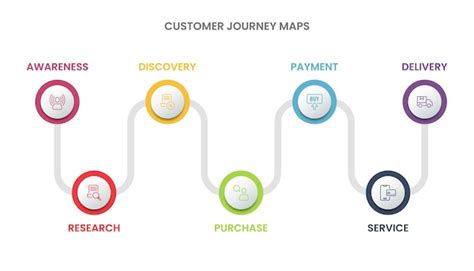
Measuring brand awareness requires both quantitative and qualitative insights. While direct attribution for top-of-funnel activity can be challenging, combining multiple signals reveals genuine market penetration. Tracking the right metrics prevents vanity reporting and focuses on genuine growth. Real-time dashboards that consolidate social, web, and CRM data into a single view are essential for agile marketing. Mapping the customer journey and analyzing correlations between share of voice and acquisition costs helps marketing leaders prove the value of brand investment.
Small Businesses and Brand Awareness
Small businesses can effectively build brand awareness by focusing on niche communities, authentic storytelling, and high-engagement channels rather than broad reach. Leveraging social media platforms is essential for reaching a wider audience and engaging with potential customers. Investing in content marketing provides valuable information and improves search engine rankings. Collaborating with influencers who have a strong following in your target market can significantly boost brand visibility. Utilizing public relations to manage and enhance a brand's reputation can lead to increased media coverage and positive public perception.
Brand awareness is not about being seen once; it is about being remembered. When someone enters your category, your name should feel familiar. Strong awareness makes everything else easier: sales conversations start warmer, ads perform better, and customers trust faster. Building that kind of recognition does not happen by accident. It requires consistent messaging, repeated exposure, and coordinated execution across every channel. When those elements work together, brand visibility compounds.
The journey to building a recognizable brand is a cumulative process that requires consistent, strategic action. While the tactics outlined provide a roadmap, operational excellence drives success. The most successful organizations do more than implement these tactics; they build systems that ensure every touchpoint reinforces their brand promise.