CorelDRAW stands as a prominent vector graphics editor, meticulously developed and brought to market by the Corel Corporation. More than just a standalone application, it is the cornerstone of the broader Corel graphics suite, which encompasses a range of specialized software, including the bitmap-image editor Corel Photo-Paint, alongside other graphics-centric programs. This powerful suite is versatile, capable of functioning as a sophisticated digital painting platform, a comprehensive desktop publishing solution, and is widely adopted for various production art processes. Its utility extends to industries such as signmaking, vinyl and laser cutting and engraving, and print-on-demand services, among many other industrial applications.
The genesis of CorelDRAW can be traced back to 1987, when Corel engineers Michel Bouillan and Pat Beirne embarked on a mission to create a vector-based illustration program. Their vision was to bundle this innovative software with their existing desktop publishing systems. This endeavor culminated in the initial release of CorelDRAW in 1989, marking a significant milestone in the realm of digital design.
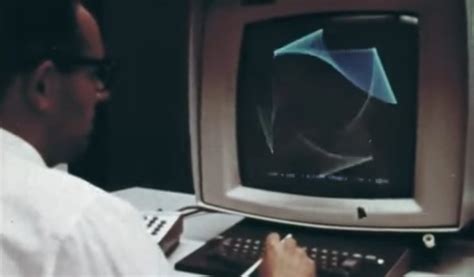
Evolution of CorelDRAW: From DOS to Modern Platforms
The early iterations of CorelDRAW, specifically versions 1.x and 2.x, were designed to operate within the Windows 2.x and 3.0 environments. However, it was with the release of CorelDRAW 3.0, coinciding with Microsoft's launch of Windows 3.1, that the software truly began to flourish and gain widespread recognition. This period marked a crucial step in its development, aligning with the advancements in operating system technology.
The evolution of CorelDRAW has been characterized by a continuous stream of innovative features and tools designed to enhance user capabilities and streamline the design process. Early versions introduced foundational tools that have become indispensable for vector graphic design. The Envelope tool, for instance, offered users the ability to distort text or objects by applying a primary shape, allowing for creative warping and customization. The Blend tool provided powerful morphing capabilities, enabling the smooth transition between different shapes, while the Extrusion tool simulated perspective and added a sense of volume to objects. The Perspective tool further expanded these capabilities by allowing users to distort objects along the X and Y axes, creating realistic depth and dimension.
The Corel Graphics Suite: A Comprehensive Ecosystem
Beyond the core vector editing capabilities, the Corel graphics suite expanded over time to include a diverse array of specialized applications, each catering to different aspects of the creative workflow. This integrated approach provided users with a powerful, all-in-one solution for their graphic design needs.
Early suite offerings included Corel Photo-Paint, a robust bitmap-image editor, essential for tasks such as photo retouching and raster graphics manipulation. CorelSHOW facilitated the creation of on-screen presentations, allowing designers to integrate their graphics into dynamic slideshows. CorelCHART was dedicated to the generation of professional-looking graphic charts and diagrams, crucial for data visualization. Alongside these, Mosaic served as an image cataloging tool, and CorelTRACE provided the functionality to vectorize bitmaps, converting raster images into editable vector graphics.
Subsequent versions of the suite continued to build upon this foundation, introducing even more specialized tools. The introduction of Corel R.A.V.E. brought vector animation capabilities to the suite, opening up new possibilities for dynamic and interactive designs. Perfect Shapes offered a library of pre-designed, editable shapes, accelerating the design process. Web graphics tools were incorporated to assist in the creation of interactive elements for websites, such as buttons and banners. The Page sorter provided a visual overview of document pages, facilitating easier navigation and rearrangement, while multilingual document support and a navigator window enhanced usability for global projects and complex layouts.
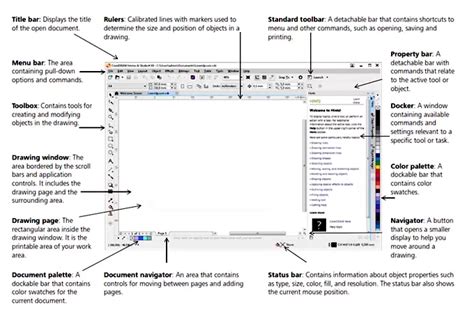
Key Features and Tools Across Versions
The development of CorelDRAW has been a relentless pursuit of innovation, with each new version introducing significant advancements in functionality and user experience.
CorelDRAW 3.0 and the Dawn of Windows 3.1 Integration
CorelDRAW 3.0 represented a significant leap forward, effectively leveraging the capabilities of Windows 3.1. This version brought a suite of powerful new tools and enhancements that solidified its position in the market. Among the notable additions were the Double click Crop tool, a groundbreaking feature that allowed for the simultaneous cropping of both vector groups and bitmap images, a first for vector software. The Smart fill tool revolutionized object creation by enabling users to easily fill enclosed areas, and the Chamfer/Fillet/Scallop/Emboss tool provided advanced options for shaping object edges. The Image Adjustment Lab offered a centralized and intuitive interface for correcting and enhancing images.
Furthermore, CorelDRAW 3.0 saw the inclusion of OpenType versions of Helvetica, Frutiger, Futura, and Garamond #3 font families, totaling 32 fonts from the Linotype foundry, replacing their Bitstream counterparts. This addition underscored a commitment to providing high-quality typographic resources.
Advancements in User Interface and Workflow
As CorelDRAW evolved, a strong emphasis was placed on refining the user interface and optimizing workflows. The introduction of customizable interfaces allowed users to tailor their workspace to their specific preferences and needs. Context-sensitive Property bars dynamically displayed relevant options based on the selected tool or object, reducing clutter and improving efficiency. Scrapbook functionality enabled users to view and drag-and-drop graphic objects, streamlining the reuse of assets.
The development of Docker windows provided a more organized and accessible way to manage toolbars, properties, and other panels, allowing for greater control over the design environment. The Natural Pen tool offered a more intuitive and responsive drawing experience for users with pen input devices. Find & Replace wizards simplified the process of making global edits to text and objects, while the Convert Vector to Bitmap option provided seamless integration between vector and raster workflows.
Enhanced Tools for Color, Effects, and Interactivity
Color management and special effects have always been core strengths of CorelDRAW, and subsequent versions introduced increasingly sophisticated tools in these areas. The Mesh fill tool offered unparalleled control over complex color gradients and fills, allowing for sophisticated, multi-dimensional color effects. The Artistic Media tool provided a wide range of brush strokes and artistic effects, transforming simple lines into expressive artworks.
Interactive Fill and Blend tools offered real-time manipulation of gradients and blends, allowing designers to see the results of their adjustments instantly. The Transparency tools provided granular control over opacity and blending modes, essential for creating layered and sophisticated designs. The Realistic Dropshadow tool added depth and realism to objects with customizable shadow effects. Interactive color mixing and a color palette editor empowered users with precise control over color selection and management. The ability to treat guidelines as objects and create custom-sized pages further enhanced layout flexibility.
CorelDRAW - Tutorial for Beginners in 13 MINUTES! [ FULL GUIDE ]
CorelDRAW for Production and Industry
A significant aspect of CorelDRAW's enduring appeal lies in its robust capabilities for production art and industrial applications. Its vector-based nature is inherently suited for tasks requiring precise scaling and clean lines, making it indispensable in fields like:
- Signmaking: CorelDRAW is a staple in the sign industry, used for designing everything from simple banners to intricate dimensional signage. The ability to create precise vector outlines is crucial for vinyl cutting and routing.
- Vinyl and Laser Cutting: The software's tools for creating clean, continuous paths are ideal for controlling vinyl cutters and laser engravers. Users can define cut lines, engrave patterns, and ensure precise material processing.
- Engraving: For laser engraving, CorelDRAW allows designers to create detailed vector artwork that can be translated into precise etchings on various materials.
- Print-on-Demand: In the print-on-demand sector, CorelDRAW is used to create designs for apparel, merchandise, and promotional items. Its ability to maintain quality at any size ensures that designs look sharp whether printed on a small tag or a large banner.
- Screen Printing: The software's precise color separation capabilities and vector object manipulation are valuable for preparing artwork for screen printing processes.
The Border and Grommet tools, along with Canvas Prep and Stretch tools, specifically cater to large-format and commercial print applications, streamlining the preparation of artwork for these demanding outputs.
Technical Advancements and Compatibility
CorelDRAW has consistently embraced technological advancements to remain at the forefront of graphic design software. The introduction of 64-bit and multi-core processor native support significantly improved performance, allowing for the handling of larger and more complex files with greater speed and efficiency. Support for 64-bit Adobe Photoshop plugins enhanced interoperability with other industry-standard software.
The modernization of text handling was a major focus, with the implementation of a new Unicode OpenType-based text engine. This ensured full international language support, while the legacy text mode was retained for backward compatibility. Dynamic alignment guides offered a more intuitive and flexible way to position objects, reducing the need for static guidelines.
The CorelConnect content organizer provided in-app access to online sources like Flickr, enabling designers to easily find and incorporate images and clip art into their projects. New tools for pushing, pulling, smearing, etc., vector objects offered more dynamic and expressive ways to manipulate shapes. The introduction of new default workspaces tailored for illustrators, beginners, and other user roles, along with new training videos, aimed to improve the onboarding process and cater to diverse user needs. Tabbed documents that could break out of the main window facilitated easier multi-screen work.
Interoperability and File Formats
CorelDRAW has also focused on improving its interoperability with other design software. More tools to import and export from Adobe Creative Suite and Publisher broadened its compatibility. The CDR file format, originally a proprietary format, evolved significantly over the years. Early versions were recognizable by specific byte signatures. With CorelDRAW 3, it adopted a RIFF (Resource Interchange File Format) envelope. Subsequent versions, starting with CorelDRAW 4, incorporated version numbers. From version X4 onwards, the CDR file became a ZIP-compressed directory containing various files, including XML and RIFF-structured data.
The development of open-source tools like the sK1 project and the UniConvertor has been crucial in facilitating the import and conversion of CorelDRAW files into other formats, particularly for open-source graphics applications. Projects like libcdr, developed by the LibreOffice/re-lab team, further enhanced the ability of open-source software to read CDR files from various versions, supporting shapes, color management, and spot colors. While Adobe Illustrator and other vector editors have varying degrees of direct CDR import support, the availability of these conversion tools ensures that CorelDRAW files can be utilized across a wide range of platforms and applications.
Licensing and Accessibility
CorelDRAW has adapted its licensing models to meet evolving market demands. CorelDRAW X7 introduced 30-day and 365-day rental (subscription) options as an alternative to purchasing a perpetual license, offering greater flexibility for users with varying budget and usage needs. This move reflected a broader industry trend towards subscription-based software.
Platform Availability and Cloud Integration
Historically, CorelDRAW was developed for Microsoft Windows, with versions also existing for CTOS, OS/2, and Power Macintosh. It was even available for HP workstations running HP-UX and had versions for Linux (CorelDRAW 9) and Mac OS X (Version 11). While the Mac and Linux versions were discontinued for a period, CorelDRAW has since made a significant return to these platforms. As of recent versions, CorelDRAW Graphics Suite supports Windows 10, Windows 11, and macOS, including a dedicated release for Apple silicon.
The suite has also embraced cloud technology. A related web app and iPad app now offer enhanced collaboration and markup functionalities online, allowing users to access and contribute to projects from virtually anywhere. This cloud integration signifies CorelDRAW's commitment to modern, collaborative workflows.
Scripting and Automation
CorelDRAW has long supported task automation through scripting. With version 6, Corel introduced task automation using a proprietary scripting language called Corel SCRIPT. This allowed users to automate repetitive tasks and extend the software's functionality. Later, with version 9, support for VBA (Visual Basic for Applications) macros was added, providing a more widely adopted and powerful scripting environment. Corel SCRIPT was eventually deprecated in favor of VBA, reflecting the industry's preference for standardized macro languages. This scripting capability is invaluable for power users and businesses looking to integrate CorelDRAW into larger automated workflows.
CorelDRAW Today: Continuous Innovation
CorelDRAW continues to be a dynamic and evolving software package. Recent updates have focused on refining existing tools, adding new creative capabilities, and enhancing user productivity. Features such as advanced PDF printing, improvements to the Paintbrush tool, and overall stability and security enhancements ensure a reliable and professional user experience. The suite also incorporates tools for color harmony and QR code generation, reflecting current design trends and practical needs.
The ongoing development of CorelDRAW underscores its commitment to providing a comprehensive, powerful, and accessible vector graphics editing solution for a wide range of users, from individual hobbyists to large production houses. Its rich history, coupled with its continuous adaptation to new technologies and user demands, ensures its continued relevance in the competitive landscape of graphic design software.