Corelle dinnerware has been a staple in kitchens for over 50 years, renowned for its durability, lightweight design, and diverse aesthetic appeal. At the heart of its enduring popularity lies a unique manufacturing process and material that sets it apart from conventional dinnerware. This article delves into the intricacies of Corelle products, exploring their construction, safety, care, and the various lines that cater to different needs and preferences.
The Science Behind Corelle's Durability: Vitrelle® Glass
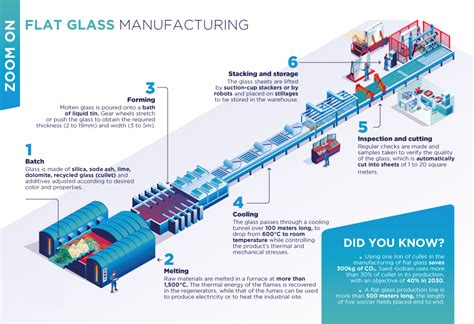
The exceptional resilience of Corelle dinnerware is primarily attributed to its proprietary material, Vitrelle® glass. This is not simply tempered glass; it's a unique laminated glass created through a special glass lamination process. This process involves thermally bonding two clear "skin" layers of glass to a white or beige "core" layer. This proprietary technique is unique to Corelle, a testament to their innovation in dinnerware manufacturing. The result is a material that is incredibly strong, lightweight, and resistant to chipping, breaking, and staining under normal household use.
Corelle® Vitrelle® glass dinnerware is known for its strength and durability, a characteristic that has made it a trusted choice for everyday meals and special occasions alike. This material is composed of glass laminated into three layers, a construction that contributes significantly to its robust nature. The manufacturing process for making Corelle® Vitrelle® glass dinnerware produces strong, lightweight tableware. While the material is known for its resilience, it's important to remember that all glass is breakable.
Warranties and Protection: What You Need to Know
Corelle stands behind its products with various warranty offerings. Corelle® Vitrelle® glass dinnerware is covered by a limited three-year warranty against breakage, chipping, and staining under normal household use. This warranty is a significant assurance of the product's quality and longevity. However, it's crucial to note that this warranty does not cover accidental breakage, emphasizing the importance of careful handling.
Beyond the Vitrelle® line, Corelle® Coordinates, which include items like serving dishes or accessories, carry a limited one-year warranty from the date of purchase. This distinction in warranty periods highlights the different materials and constructions of various Corelle product categories.
Before Corelle® products leave the factory, they undergo a protective treatment. They are sprayed with an organic, non-toxic silicone-based coating designed to help prevent damage during shipping. This thoughtful step ensures that the dinnerware arrives in pristine condition, ready for use.
Safety First: Lead, Cadmium, and Modern Standards
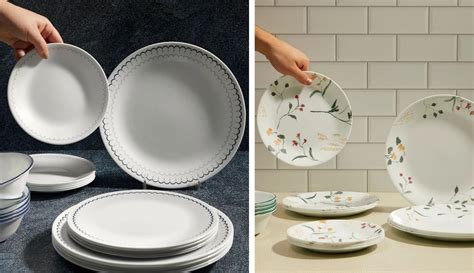
Corelle has a long-standing commitment to safety, with all Corelle products meeting the safety standards at the time of manufacturing. As manufacturing and regulatory practices have evolved, so have Corelle products. The company routinely tests Corelle products for lead and cadmium contents at internationally recognized, third-party testing laboratories. This rigorous testing confirms that their products comply with applicable federal and state safety regulations, providing consumers with peace of mind.
The history of Corelle dinnerware is intertwined with evolving safety standards. Before 2000, and before tighter lead content safety regulations were widely implemented, a small amount of lead was an ingredient in the decorating process of many household products, including some dinnerware. Instant Brands, the current manufacturer of Corelle, has conducted additional testing with an outside laboratory to determine whether vintage Corelle products made before 2000 comply with today’s consumer expectations as to safety and whether it’s okay to use them as everyday dinnerware.
This testing involved selecting multiple patterns of vintage Corelle products, dating back to 1978. The food surface contact testing was specifically designed to identify whether any small amount of lead that may have existed in pre-2000 manufactured Corelle product leaches from the product in amounts above today’s acceptable lead-safety regulations. The findings indicate that the small amount of lead used in decorations prior to 2000 was encapsulated in glass before and after the decoration was applied to the product and fired at temperatures above 750°C. This encapsulation process significantly limits the potential for lead to leach into food.
Microwave and Oven Use: Practicality and Safety Guidelines
Corelle® Vitrelle® glass dinnerware is generally microwave safe when used in accordance with the safety and usage instructions that accompanied the product at the time of purchase. It's always recommended to use a dry pot holder when handling hot glass, as even durable materials can pose a burn risk when heated. Corelle® products can also be used for serving and re-heating food in microwaves or pre-heated conventional ovens up to 350° F (176° C). To warm empty dinnerware for serving, using pre-heated conventional ovens is recommended.
However, there are specific precautions to observe. It is important to avoid using Corelle® dinnerware on a stovetop, under a broiler/griller, under a microwave browning element, in a toaster oven, or on or near any other direct heating source. Sudden temperature changes should also be avoided. This includes not adding liquid to a hot item, placing a hot item on a wet surface, or handling it with a wet or cold cloth. These sudden temperature changes can cause the item to break or shatter. Always handle hot items with a dry cloth or potholder.
Furthermore, Corelle® dinnerware should not be used to microwave popcorn or to hold or support popcorn bags, or microwave convenience foods with special browning wrappers, as some packaging is designed to heat rapidly and may cause breakage. Heating an empty vessel in a microwave oven is also not advised, as it may become too hot to handle, crack, or break. Similarly, heating a small amount of food in a larger dish in a microwave can lead to localized overheating and potential damage. Overheating oil or butter in the microwave should be done with the minimum amount of cooking time.
Design, Patterns, and Discontinuation: A Collector's Delight
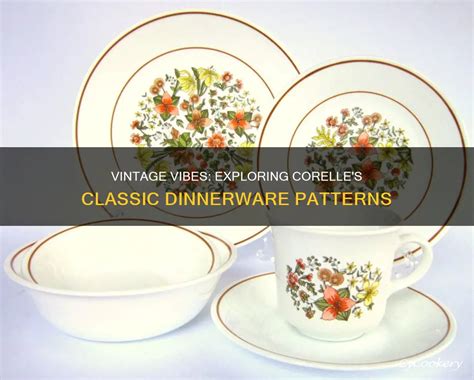
Corelle dinnerware has graced tables in a multitude of patterns since its introduction by Corning over 50 years ago. Many vintage and legacy pieces have become cherished collectors’ items, sought after for their nostalgic appeal and unique designs. The company tries to create dinnerware designs with lasting appeal; however, unfortunately, some patterns lose their popularity over time. When this happens, the pattern is discontinued.
While patterns may be discontinued, Corelle has, in the past, brought patterns back for limited editions. Consumers who wish to see a favorite pattern brought back to life or reimagined are encouraged to express their interest. If you are unable to locate your specific pattern on the Corelle website, contacting their Consumer Care Center with an image of the dish can help in identification. For those seeking discontinued patterns, there are specialized companies that focus on carrying legacy Corelle dinnerware, which may have stock available.
It's worth noting that currently, all of Corelle®'s Vitrelle® glass dinnerware is made from the same white glass, meaning all the "whites" are exactly the same. The backstamp on Corelle® Vitrelle® products has evolved over the 50+ years of production to reflect changing times. The current backstamp features clean, modern lines while assuring consumers of its Corelle® Vitrelle® origin and Made in the USA manufacturing.
Beyond Vitrelle®: Exploring Corelle® MilkGlass® and Stoneware®
While Vitrelle® glass is the cornerstone of Corelle dinnerware, the brand also offers other product lines, each with its unique characteristics.
Corelle® MilkGlass®
Corelle® MilkGlass® offers a distinct aesthetic and functional profile. Its unique manufacturing process allows for certain forms, such as higher rims, which are not possible with traditional Corelle® Vitrelle® glass. This design is tailored for contemporary eating habits, whether at the dining table or elsewhere in the home. Although the look is similar to traditional glass and both are made from pure natural glass, Corelle® MilkGlass® is made from a different type of glass than traditional Corelle® Vitrelle® glass dinnerware.
Corelle® MilkGlass® dinnerware is microwave safe when used in accordance with the provided safety and usage instructions. Similar to Vitrelle®, it's always recommended to use a dry pot holder when handling any Corelle® dinnerware in a microwave. While Corelle® MilkGlass® is safe for use in refrigerators, freezers, microwaves, and dishwashers, it is not suitable for use in any type of oven. Due to the unique manufacturing process, each MilkGlass® plate and bowl may have some variation in size and shape.
Corelle® Stoneware®
Corelle® Stoneware® plates offer a different tactile and visual experience. They are approximately 2.5 times heavier than a comparable Vitrelle® glass plate, providing a more substantial feel. Corelle® Stoneware® dinnerware is covered by a limited one-year warranty against breakage, chipping, and staining under normal household use. Due to manufacturing limitations, Corelle is currently unable to manufacture Vitrelle® glass dinnerware in a solid color with a consistency that meets their high-quality standards. This is why their colored dinnerware, like the Stoneware line, offers a different material solution.
Porcelain and stoneware mugs are also part of the Corelle range and are microwavable. However, it is important to note that stoneware and porcelain mugs should not be allowed to soak or stand in water for extended periods, as this can affect their integrity.
Care and Maintenance: Keeping Your Corelle Pristine
Corelle dinnerware items can be washed by hand or in an automatic dishwasher. When loading the dishwasher, it's important to arrange items to avoid bumping against each other during the cycle.
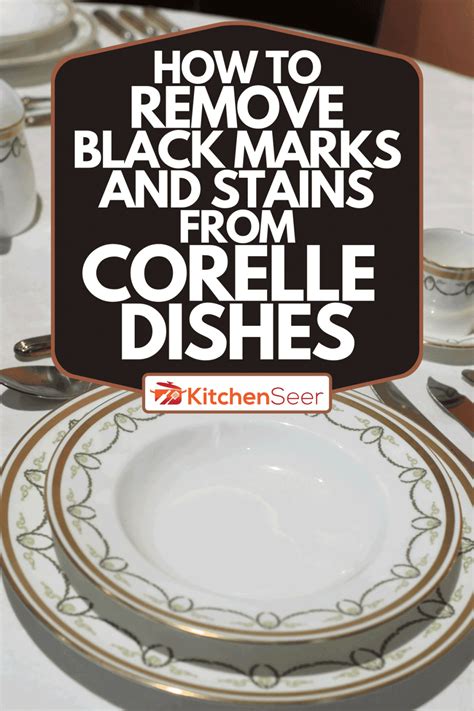
Over time, metal utensils, silverware, metal dishwasher racks, metal cleaning pads, and stainless steel sinks may leave gray markings when rubbed or drawn across the surface of Corelle® Vitrelle® glass dinnerware. These gray marks are not damage to the dinnerware itself but rather a transfer of metal. Similarly, rust-colored marks can be caused by iron deposits in your water supply or even by exposed metal parts in your dishwasher or drying rack. Fortunately, these marks are generally removable.
To remove gray or rust marks, a non-abrasive cleanser should be used. If scouring is necessary, it's crucial to use only plastic or nylon cleaning pads with non-abrasive cleansers. Abrasive cleansers, scouring pads, or any object that will scratch items should be strictly avoided, as they can damage the dinnerware's surface.
Environmental Considerations and Recycling
Corelle Brands demonstrates a commitment to environmental responsibility. The recycled glass used in their Corelle Vitrelle® glass dinnerware comes from their own manufacturing process, where glass that does not end up as a finished product is recycled internally. However, due to the unique manufacturing process and the nature of Vitrelle® glass and Opal/Milk glass, these materials cannot be recycled through standard household recycling programs. The company actively works to recycle materials within its production cycle to minimize waste and contribute to a healthier planet for future generations.
Understanding Variations in Corelle® Products
There can be some visible variance on the rims of Corelle® Vitrelle® glass dinnerware items, which may be noticeable when the dishes are stacked. This is a characteristic of the manufacturing process. Corelle dinnerware may appear to be warped because they fit so snugly together; repositioning them in the cabinet can sometimes make this less noticeable. These minor variations do not affect the functionality or safety of the dinnerware.
Corelle® Dinnerware and Food Storage
Corelle® Vitrelle® glass bowls are excellent for storing leftovers and pre-prepped food. The brand offers specific covers designed to fit their standard 18-ounce cereal bowls (measuring 6.25" diameter x 2" high) and their 1-quart serving bowls (measuring 8.5" diameter x 2.5" high). If there is any uncertainty about whether a cover will fit a particular bowl, consumers are advised to contact the company's customer service with the bowl's measurements for assistance.
When Patterns Change: Navigating Discontinuation
The company strives to create dinnerware designs and combinations with lasting appeal. However, over time, some sizes, shapes, and patterns inevitably lose popularity. When this occurs, that specific item, shape, or size will be discontinued. If a consumer is looking for a mug to match an older pattern, there are companies that specialize in carrying discontinued patterns of Corelle dinnerware and may have the desired item in stock.
A Note on Corelle® and Kosher Practices
While Corelle® Vitrelle® glass and MilkGlass® dinnerware are non-porous and made from glass, they are not considered Kosher. The coating applied to the Vitrelle® glass dishes contains no known animal products and is applied before the dinnerware leaves the manufacturing facility to prevent damage during shipping and warehouse storage.
Distinguishing Corelle® from Pyrex®
It's important to differentiate Corelle® dinnerware from bakeware products like Pyrex®. Pyrex® glass bakeware is specifically designed for use in conventional or convection ovens at temperatures called for in baking recipes, provided safety and usage instructions are followed. Pyrex® glass bakeware should never be used with direct heat sources such as on a stovetop or under a broiler.
Pyrex® bakeware is made from either soda-lime or borosilicate glass, both of which meet high-quality standards and are safe for kitchen cooking when instructions are followed. Soda lime is slightly more resistant to impact breakage, while borosilicate is slightly more resistant to extreme thermal changes. Both materials are suitable for microwave and conventional/convection oven use and are dishwasher friendly. Pyrex® glass is not suitable for engraving or etching, as this will void its warranty and may lead to premature failure.
Corelle® dinnerware, on the other hand, is primarily for serving and reheating, with specific limitations on oven use. Understanding the intended use and material properties of each brand is crucial for safe and optimal product performance.