Experiencing a black screen or rendering issues within a DaVinci Resolve Fusion Composition, particularly when the timeline cursor reaches a specific frame, can be a frustrating roadblock for editors and visual effects artists. A common symptom of this problem is the "MediaOut1" node displaying a red segment in its keyframe editor, indicating a discrepancy in expected media duration. This article delves into the potential causes and provides a structured approach to troubleshooting and resolving the "MediaOut1 no frame available" error, ensuring your Fusion compositions render seamlessly back to the Edit page.
Understanding the Role of MediaOut1
At its core, the "MediaOut1" node in DaVinci Resolve's Fusion page serves as the final output point for your compositing work. It represents the culmination of all your node-based adjustments, effects, and media integration within the Fusion environment. The output from "MediaOut1" is what is then transferred back to the Edit page, allowing you to see and utilize your Fusion composition on the timeline. When "MediaOut1" encounters an issue, it directly impacts the visibility and renderability of your composition on the Edit page. The red coloration observed in the keyframe editor for "MediaOut1" is Fusion's way of signaling that it expects a certain duration of media to be available for output, but for some reason, that expectation is not being met. This can manifest as a complete black screen or a frozen frame beyond a certain point in the timeline.
The Case of the Split Keyframe and Red Segment
A frequent scenario leading to the "MediaOut1 no frame available" error involves the keyframe editor for the "MediaOut1" node. As described in user experiences, a Fusion composition might appear perfectly fine initially, but upon reopening the project or scrubbing past a certain frame (e.g., frame 120), the composition inexplicably goes black. Investigation into the Fusion page often reveals that the keyframes associated with "MediaOut1" have become "split" at this specific frame. The portion of the keyframe after this split point appears red. This red segment is a strong indicator that Fusion believes the intended duration of the output media has been cut short or is otherwise unavailable.
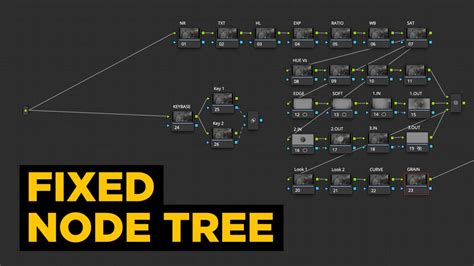
The cause of this split can be multifaceted, but it often stems from how different nodes within the Fusion composition are configured and how their durations interact. For instance, if you have PNG media files, Text+ nodes, and various transformational nodes like Merge, Resize, and Transform, the overall duration or behavior of these elements can influence the output of "MediaOut1." If the underlying media or the processing of that media is not consistently defined across the entire intended duration of the composition, Fusion may struggle to generate frames for output beyond a certain point. The "MediaOut1" node, acting as the final gatekeeper, reflects this inconsistency.
The Interplay Between Nodes and MediaOut1
The connection between other nodes and "MediaOut1" is crucial. In the reported scenario, a "Merge2" node was connected to "MediaOut1." When the "MediaOut1" node exhibited the problematic red keyframe segment, disconnecting this link between "Merge2" and "MediaOut1" allowed for the keyframe editor to be resized. This suggests that the specific configuration or the duration of the "Merge2" node (or the elements feeding into it) was directly contributing to the "MediaOut1" error. By temporarily breaking the connection, the Fusion environment might have been able to re-evaluate the output requirements, thus enabling keyframe adjustments.
However, the subsequent issue-where the Fusion composition no longer rendered on the Edit page viewer despite being present on the timeline-highlights the delicate balance within Fusion's workflow. While previewing "MediaOut1" within the Fusion page itself might still be possible, its absence on the Edit page signifies a failure in passing the rendered output back to the main editing timeline. This indicates that the Fusion composition, as a whole, is not being correctly processed or finalized for use outside the Fusion environment. The problem is not necessarily with the compositing itself but with the integration of that composited output back into the broader DaVinci Resolve project structure.
Strategies for Resolution
Resolving the "MediaOut1 no frame available" error requires a systematic approach, focusing on identifying and correcting the underlying cause of the duration mismatch or rendering failure.
1. Examine Node Durations and Connections:
- Individual Node Durations: Carefully inspect the duration settings of each node within your Fusion composition. Pay close attention to any nodes that import media files (like your PNGs), as their inherent duration or how they are being trimmed or extended can be a primary culprit. Text+ nodes also have associated durations.
- Merge Node Behavior: The "Merge" nodes are critical for compositing. Ensure that the order of merging and the alpha channels are correctly handled. Any discrepancies here can lead to unexpected rendering results.
- Transform and Resize Nodes: While these nodes control the spatial properties of your elements, they can also indirectly affect perceived duration if they are keyframed in a way that causes elements to disappear or reappear unexpectedly within the composition's timeline.
- Re-establish Connections Methodically: After disconnecting nodes as a diagnostic step, re-establish them one by one. After each reconnection, check the "MediaOut1" node and the Edit page viewer to pinpoint which connection reintroduces the problem.
2. Keyframe Editor Adjustments:
- Resizing Keyframes: As noted, the ability to "resize" events in the keyframe editor is a key troubleshooting step. If you can isolate the problematic keyframe segment of "MediaOut1," try to adjust its start and end points to match the intended duration of your composition. This might involve extending the red segment or ensuring it aligns with the duration of the preceding nodes.
- Understanding Keyframe Interpolation: While not directly about "no frame available," understanding how keyframes are interpolated (linear, ease-in, ease-out) can sometimes reveal unexpected behavior that might indirectly contribute to rendering issues.
3. Fusion Page Viewer vs. Edit Page Viewer:
- Isolate the Problem: The ability to preview "MediaOut1" in the Fusion viewer but not see the composition on the Edit page is a significant clue. It suggests that Fusion is successfully processing the composition internally, but the data is not being correctly transferred or rendered for the Edit page.
- Render Cache: Consider enabling and clearing the Render Cache for your Fusion composition on the Edit page. Sometimes, a corrupted cache can cause playback and rendering issues. Right-click on the Fusion clip on the timeline and look for cache options.
Fusion Nodes Explained With Toast - DaVinci Resolve Fusion Guide for Beginners (2024)
4. Checking Media Files:
- PNG Transparency: PNG files are often used for their transparency. Ensure that the alpha channels of your PNG files are correctly interpreted by DaVinci Resolve and that they are not corrupted.
- Media Integrity: If you are using other media files within the Fusion composition, ensure they are not corrupted and are in a format supported by DaVinci Resolve. Re-linking or re-importing problematic media can sometimes resolve hidden issues.
5. DaVinci Resolve Training Resources:
- Blackmagic Design Training Guides: As suggested by experienced users, dedicating time to the official DaVinci Resolve training guides, particularly those focusing on the Fusion page, can provide invaluable insights. Understanding the fundamental principles of node-based compositing and how Fusion interacts with the Edit page is crucial for efficient troubleshooting. These guides often explain concepts like node flow, parameter linking, and output rendering in detail.
6. Project and System Considerations:
- DaVinci Resolve Version: Ensure you are using a stable and up-to-date version of DaVinci Resolve. Sometimes, bugs in specific versions can lead to unexpected behavior.
- Graphics Drivers: Outdated or corrupted graphics card drivers can cause rendering and playback issues across many video editing applications, including DaVinci Resolve.
- System Resources: While less likely to cause a specific "no frame available" error at a precise frame, insufficient system RAM or processing power can lead to general instability and rendering problems.
A Deeper Dive into Node Interactions
The complexity of Fusion compositions often arises from the intricate ways nodes can be connected and their parameters manipulated. When troubleshooting "MediaOut1 no frame available," it's beneficial to think about the data flow from the source media all the way to the output. Each node acts as a processing step, and if any step fails to produce valid output for the entire duration, the subsequent nodes, including "MediaOut1," will be affected.
Consider a scenario where a "Resize" node is keyframed to scale a PNG image from 100% to 0% over 50 frames. If this animation is part of a larger composition that is intended to last 200 frames, and "MediaOut1" is expecting a continuous output, the point at which the PNG effectively disappears might be interpreted by Fusion as the end of available media for that specific channel or element. While this is a simplified example, it illustrates how keyframed animations or parameter changes within nodes can influence the perceived duration of elements.
Furthermore, the "Merge" node's behavior is dependent on the background and foreground inputs it receives, along with any alpha information. If either the background or foreground input to a Merge node stops providing valid frames for the entire intended duration of the composition, the output of that Merge node, and consequently the input to "MediaOut1," will be incomplete. This is why disconnecting the Merge node from "MediaOut1" can sometimes allow for adjustments, as it temporarily isolates "MediaOut1" from the problematic upstream node.
The "Text+" node, while seemingly straightforward, also has parameters that can be animated or linked. The visibility, size, or even the content of the text can change over time. If these changes are not synchronized with the overall intended duration of the composition, they can contribute to the "no frame available" error.
Advanced Troubleshooting Techniques
If the basic steps don't yield a solution, consider these more advanced techniques:
- Isolate and Rebuild: If the Fusion composition is very complex, try to isolate sections of the node tree. Copy and paste smaller groups of nodes into a new Fusion composition to see if the problem reappears. This can help pinpoint a specific problematic node or group of nodes. Gradually rebuild the composition, testing at each stage.
- Bypass Nodes: Temporarily bypass nodes by selecting them and pressing the "B" key. This can help you identify which node's processing is causing the issue. If bypassing a node resolves the "MediaOut1" error, you know that node is the source of the problem.
- Check for Unconnected Nodes: Ensure all necessary nodes are connected. Sometimes, an unintentionally unconnected node might be preventing the proper flow of information.
- Render Each Element Separately: As a diagnostic step, you could try rendering each significant element (like a specific PNG with its transforms) as a separate clip and then re-importing those into a new Fusion composition to be merged. This is a time-consuming workaround but can help isolate issues with individual media assets or their initial processing.
The "MediaOut1 no frame available" error in DaVinci Resolve Fusion is a complex issue that often stems from subtle interactions between node durations, keyframe settings, and media interpretation. By systematically examining each node, understanding the data flow, and leveraging the diagnostic tools within DaVinci Resolve, you can effectively troubleshoot and resolve these rendering problems, ensuring your creative vision is fully realized on the Edit page. Consulting the extensive training resources provided by Blackmagic Design remains a cornerstone for mastering the intricacies of the Fusion page and preventing such issues in the future.