The Fillmore Eye Clinic offers a complete range of eye care services, dedicated to providing Southern New Mexico with the latest in advanced vision correction and treatment. Our Certified Eye Doctors operate the clinic, committed to delivering superior eye care and surgery through the utilization of the most advanced technological innovations in the industry. The clinic's overarching goal is to ensure patients receive the most current quality care coupled with exceptional customer service.
Understanding Your Appointment at Fillmore Eye Clinic
When scheduling an appointment at The Eye Clinic, it's important to plan for approximately two hours for a complete eye examination. Upon arrival, new patients will be asked to sign in and complete necessary paperwork. It is crucial to bring your current insurance cards, including Medicare, Medicaid, and/or VISION Louisiana, for every office visit. Please notify the clinic at the time of your appointment regarding any changes in your insurance coverage since your last visit. Additionally, bring any prescription medications you are currently taking, as certain medications can influence vision and the accuracy of diagnostic tests.
A physician referral is not a prerequisite for scheduling an appointment at The Eye Clinic, unless specifically mandated by your insurance or managed care plan. As a courtesy, the clinic will file your medical insurance on your behalf. Patients are expected to cover any deductible or co-pay amounts at the time of their office visit, in addition to a $40 fee for refractions.
The Expertise of Ophthalmologists and Optometrists
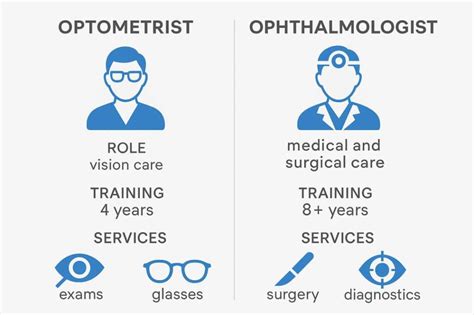
The Fillmore Eye Clinic is staffed by highly qualified professionals. Dr. Parley Fillmore, certified by the American Board of Ophthalmology, brings extensive experience to the practice. Complementing the ophthalmological services are optometrists such as Dr. Bryce S. Johnson and Dr. Jacob Bailey, both certified by the New Mexico Board of Optometry. Dr. Johnson earned his undergraduate degree in Neuroscience, while Dr. Bailey received his undergraduate degree with highest honors. Dr. Elizabeth A. Dosch, also certified by the New Mexico Board of Optometry, holds a Bachelor of Science degree in Biology.
Ophthalmologists provide comprehensive eye care, encompassing medical, surgical, and optical services. It is important to distinguish them from optometrists, who, while educated in accredited optometry colleges for four years, do not attend medical school. This distinction means ophthalmologists are equipped to handle a broader spectrum of medical and surgical eye conditions.
Emergency Care and Pediatric Eye Health
The physicians at Fillmore Eye Clinic are available on-call 24 hours a day, 365 days a year, to address emergencies. They also extend their expertise by providing emergency ophthalmology coverage for area hospitals.
For the youngest patients, the American Academy of Ophthalmology and the American Academy of Pediatrics recommend the first vision screening for a newborn be conducted before hospital discharge. Visual function will continue to be monitored by a child’s pediatrician during well-child exams, typically at two, four, and six months of age. Should any signs of an eye condition emerge, a referral to an ophthalmologist may be necessary. Beginning at three years of age, and annually after five, screenings for amblyopia (poor vision in an otherwise normal-appearing eye), refractive errors, and eye alignment are recommended.
Common Vision Concerns and Myths
Family History and Vision: Poor vision can indeed be directly related to your family’s history of eye health. Genetic predispositions play a significant role in the development of various eye conditions.
Computer Use and Eye Strain: Contrary to some beliefs, there is no evidence to suggest that working at a computer can permanently damage the eyes. However, suboptimal conditions such as low light, glare on the monitor, or prolonged staring without breaks can lead to eye fatigue. Simple measures like adjusting lighting, minimizing glare, and taking regular breaks can alleviate these symptoms.
Eye Safety - The 20/20/20 Rule - Computer Vision Syndrome
UV Protection and Cataracts: Wearing UV protective lenses is a beneficial practice for safeguarding your eyes from cataract formation. Ultraviolet radiation from the sun can contribute to the clouding of the eye's lens over time.
Carrots and Vision: While research indicates that eating carrots provides a small amount of vitamin A, which is beneficial for good vision, it is not a singular solution for maintaining optimal eyesight. A balanced diet rich in various vitamins and minerals is crucial for overall eye health.
Understanding Laser Vision Correction
Laser vision correction is generally considered to be a permanent procedure. However, it is important to understand that the eyes can continue to change with age. Conditions like presbyopia, which typically develops as people age, can lead to the need for reading glasses or even additional vision correction procedures in the future. Therefore, while laser vision correction can significantly improve vision, it does not entirely eliminate the possibility of future vision changes.
For individuals considering laser vision correction, a key requirement is to be over 21 years of age, and their current glasses or contact lens prescription should not have changed in the last year. The surgical procedure itself is relatively brief, with patients typically spending approximately 30 minutes in the surgery room, as both eyes are usually treated during the same appointment. The process involves cleaning and preparing the eye for surgery once the patient is in the laser room.
Addressing Eyelid Twitching
Mild twitching of the eyelid is a common phenomenon. These involuntary muscle contractions, medically termed ocular myokymia, are often annoying but are almost always temporary and completely harmless. Ocular myokymia is quite common and most often associated with fatigue.
Ophthalmologists frequently address the causes of eyelid twitching and methods to alleviate it. Key contributing factors often include lack of sleep, excessive caffeine intake, or increased stress levels. In many instances, gently massaging the affected eye can provide relief from the symptoms.
The Fillmore Eye Clinic as an Ambulatory Surgery Center (ASC)
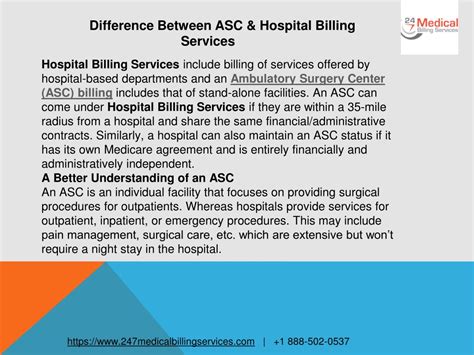
Fillmore Eye Clinic ASC is a specialized facility designed for outpatient procedures. ASCs typically offer shorter wait times, allowing patients to return home the same day of their procedure. This contrasts with hospitals, which are larger, comprehensive medical hubs with diverse departments like emergency care, intensive care units, pharmacies, and imaging services.
Patients undergoing procedures at an ASC like Fillmore Eye Clinic may receive separate bills: one from the ASC for the facility fee, one from the surgeon, and potentially another from the anesthesiologist. Additional "add-on" fees may apply depending on the specific surgery performed.
Quality of Care and Patient Experience
Fillmore Eye Clinic is praised for its professionalism and the kindness of its staff. Patient testimonials highlight positive experiences, such as minimal wait times and physicians dedicating their full attention to patients to determine the best course of action. The efficient operation of the clinic has been noted, with the office manager, Katrina, being specifically recognized for handling multiple tasks patiently and professionally.
The clinic's commitment to quality is reflected in its use of state-of-the-art equipment and procedures. Providers at the facility perform a significant volume of procedures, such as Cataract Surgery With Lens Implant, compared to state and national averages. This higher volume can correlate with increased expertise in treating patients with similar needs. Data based on Medicare Fee for Service claims from 2021-2023 indicates that procedures at this ASC experienced an average number of complications, with no instances of unplanned ER visits, suggesting a low rate of post-procedure complications. Patient outcomes are also a focus, with a low frequency of poor outcomes reported, though the expected level can depend on the patient's overall health.
Insurance and Financial Information
Fillmore Eye Clinic accepts various insurance plans, including Medicare, Tricare, VSP, and Blue Cross Blue Shield. They also offer financing options to help patients access the eye care they need. It is advisable for patients to verify coverage with their specific plan, as information regarding provider availability and services is updated regularly but subject to change.
The clinic's commitment to patient privacy is outlined in their Privacy Policy, which states that personally identifiable information collected will not be sold to anyone. Their Security Policy ensures that payment and personal information are kept safe using industry-standard Secure Sockets Layer (SSL) software for secure transactions.
Locations and Contact Information
Fillmore Eye Clinic serves multiple locations across Southern New Mexico, including Las Cruces, Alamogordo, Ruidoso, Deming, Silver City, and Truth or Consequences. The specific address provided for the Alamogordo ASC is 1124 10th St, Alamogordo, NM, 88310. For the most up-to-date information on providers, services, and insurance, it is recommended to contact the clinic directly or consult their online directory.