The history of Vans shoes is a narrative woven into the fabric of youth culture, athletic innovation, and enduring personal expression. What began as a humble family business in Anaheim, California, has evolved into a global phenomenon, recognized worldwide for its distinctive designs and deep-rooted connection to skateboarding and beyond. This journey, spanning over half a century, showcases a remarkable ability to remain relevant, adapting to new trends while steadfastly honoring its heritage. The brand's ascent from a niche footwear provider to a symbol of individuality is a testament to its unique approach, a philosophy captured by its iconic rallying cry: "Off the Wall."
The Genesis of an Icon: The First Vans Shoe
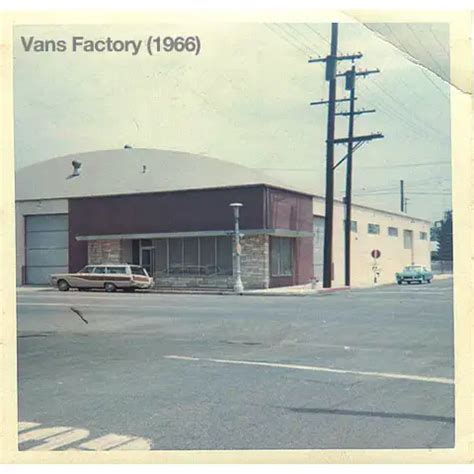
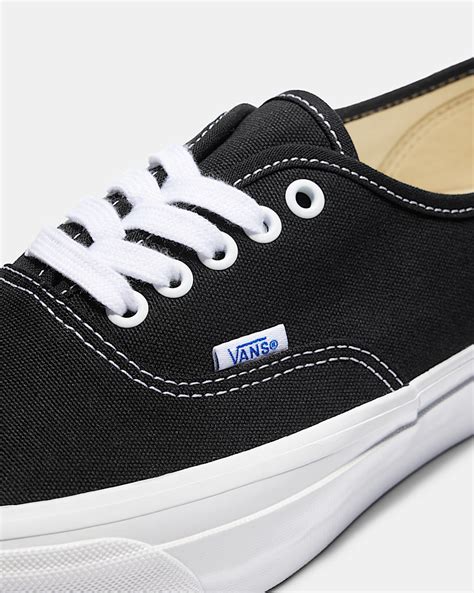
The story of Vans officially began in 1966 with the debut of Style #44, now universally known as the Vans Authentic. This was not just another shoe; it was a carefully considered piece of footwear designed with a specific purpose in mind. The Authentic featured a low-top silhouette, constructed with durable canvas uppers and robust rubber soles. This practical design quickly caught the attention of a burgeoning community: skateboarders. They discovered that the shoe's exceptionally sticky tread provided unparalleled grip on their boards, a crucial element for performing tricks and maintaining control. This inherent functionality laid the groundwork for the brand's future, as the sole technology would soon be refined into the now-famous waffle sole, a defining characteristic that would etch itself into the annals of Vans shoe history.
Riding the Wave of Skate Culture: The Rise of Vans
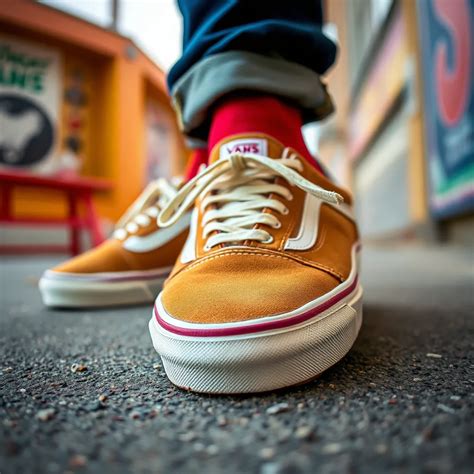
The early 1970s marked a pivotal period for both skateboarding and Vans. As skateboarding experienced an explosion in popularity across California, Vans emerged as the footwear of choice for this dynamic and rebellious subculture. Local riders were drawn to the brand's exceptional durability and the superior grip offered by its shoes. This organic adoption soon led to a more formal collaboration. Visionary skaters like Tony Alva and Stacy Peralta recognized the potential of working directly with a shoe manufacturer to create footwear tailored to their sport's demands. Their collaboration resulted in the creation of the Era (Style #95), a groundbreaking shoe that incorporated padding, specifically designed to enhance comfort and performance for skateboarding. This partnership was a landmark moment in the history of athletic footwear, representing the first instance where a major shoe company actively engaged with skateboarders to co-design its products. This hands-on approach profoundly shaped the Vans shoes origin story and was instrumental in birthing a footwear icon.
A Decade of Defining Designs: Vans Through the 1970s
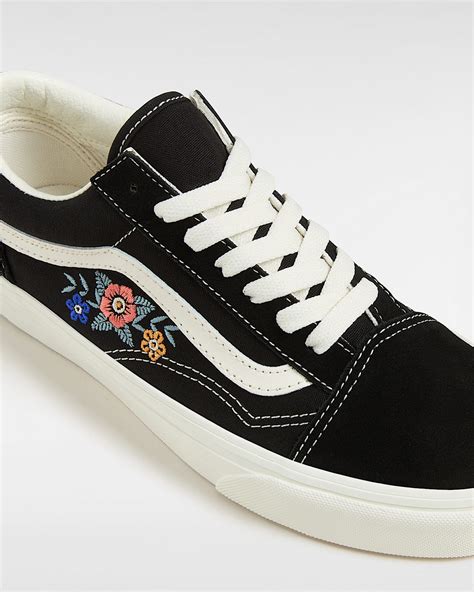
The 1970s were a period of intense innovation and brand establishment for Vans. The introduction of the Era (Style #95) in 1977, a direct result of the collaboration with Tony Alva and Stacy Peralta, truly put Vans on the map as the premier shoe for skateboarding. Shortly thereafter, the brand unveiled the Old Skool (Style #36), distinguished by its now-iconic side stripe. Initially a simple doodle, this stripe evolved into a powerful and instantly recognizable symbol of the Vans brand. In 1977, Vans also launched the Slip-On (Style #98), a laceless design that quickly became a favorite for its ease of wear and flexibility. The decade culminated in 1978 with the arrival of the Sk8-Hi (Style #38). This high-top model offered crucial ankle protection for skaters, further cementing Vans' reputation as the go-to brand for serious skateboarding enthusiasts. These foundational models collectively defined the early trajectory of Vans shoe history.
Resilience and Global Reach: Vans in the 1980s
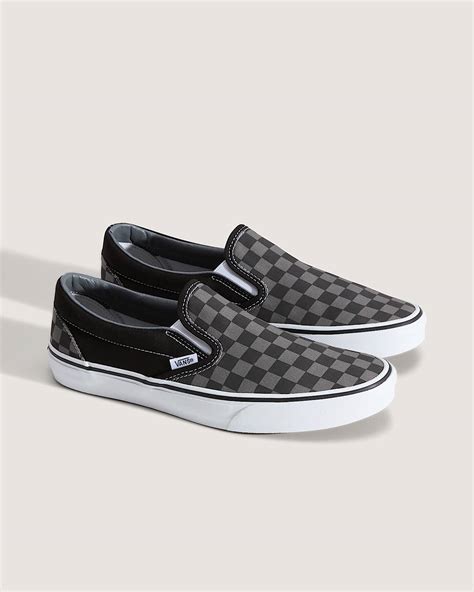
The 1980s presented both significant triumphs and considerable challenges for Vans. The brand's global fame was amplified in 1982 when the distinctive checkerboard Slip-On was prominently featured in the cult classic film Fast Times at Ridgemont High. This cinematic exposure propelled Vans into mainstream consciousness. However, the brand's rapid expansion into an extensive range of products, coupled with the complexities of managing such growth, led to financial difficulties. In 1984, Vans filed for bankruptcy. Despite this setback, the company successfully reorganized, demonstrating remarkable resilience. During this period, Vans also broadened its support for action sports, notably backing early BMX riders and strengthening its ties within the wider action sports community. This decade proved that Vans possessed the capacity to bounce back from adversity while simultaneously reinforcing its indelible place in Vans sneakers history.
Cultural Crossover and Streetwear Partnerships: Vans in the 1990s
The 1990s saw Vans further solidify its cultural relevance and expand its influence across music and youth culture. The introduction of the Half Cab, a modified version of Steve Caballero's signature high-top pro model, became one of the most influential skate shoes ever created. Its innovative design catered to the evolving needs of skaters and quickly became a staple in skate parks worldwide. Vans also forged a deep connection with the music scene by sponsoring the Warped Tour. This annual music festival, which ran for over two decades, became intrinsically linked with alternative music and skate culture, providing a massive platform for the brand. The year 1996 marked a significant milestone in streetwear history when Vans collaborated with Supreme, producing co-branded Old Skools. This partnership heralded a new era of high-profile streetwear collaborations for the brand. Later that same year, Vans reinforced its commitment to professional skateboarding by sponsoring the Triple Crown of Skateboarding, aligning the brand with the highest level of competitive skating on a global scale.

Digital Innovation and Global Expansion: Vans in the 2000s and Beyond
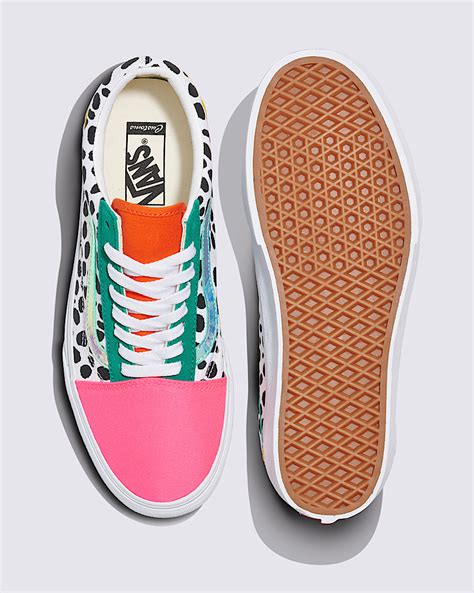
The new millennium brought about further evolution and expansion for Vans. In 2004, the brand launched its highly successful "Customs" platform. This innovative online tool allowed customers to design their own unique Vans shoes, a direct echo of the brand's early days of made-to-order footwear. This move tapped into the growing desire for personalization and self-expression. In 2001, Vans further cemented its deep roots in skate history by backing the critically acclaimed documentary Dogtown and Z-Boys, which chronicled the rise of a legendary group of skateboarders. The launch of Vault by Vans in 2003 introduced elevated, premium versions of classic models, effectively bridging the gap between street style and luxury fashion. Following its acquisition by VF Corporation in 2004, Vans embarked on a significant period of global expansion. This included the establishment of massive skateparks and vibrant cultural hubs, such as the House of Vans in New York (opened in 2010) and London (opened in 2014). In 2016, Vans celebrated its 50th anniversary with a comprehensive global "Story of Vans" campaign, reflecting on its rich history and its impact on culture.
"Off the Wall": More Than a Slogan, It's an Identity
The phrase "Off the Wall" is intrinsically linked to the Vans brand and its cultural ethos. It originated from the Z-Boys skate crew, who used the term to describe the daring aerial tricks they performed in drained swimming pools. The Van Doren brothers, founders of Vans, embraced this expression, and it quickly became the brand's rallying cry. However, "Off the Wall" transcended its status as a mere slogan; it encapsulated the very essence of what made Vans special. It represented a spirit of creativity, a willingness to challenge norms, and a celebration of individuality. This profound cultural connection is why the history of Vans sneakers is not solely about footwear; it is deeply intertwined with identity. From the very first Vans store in Anaheim to the expansive House of Vans event spaces in major global cities, the brand has consistently operated as more than just a purveyor of products. It has served as a vibrant hub for culture, fostering community and providing a platform for self-expression.
Why Stocking Wholesale Vans Shoes is a Timeless Investment
Nearly sixty years after its inception, Vans has navigated countless trends, yet its appeal remains remarkably timeless. The brand's most iconic models â the Authentic, Era, Old Skool, Slip-On, and Sk8-Hi â continue to be bestsellers year after year. While innovations such as reinforced uppers and advanced cushioning have modernized these classic designs, their core DNA has remained unchanged, preserving their enduring appeal.
For retailers, the decision to stock wholesale Vans shoes is akin to investing in a brand that has unequivocally stood the test of time. The history of Vans shoes clearly demonstrates a consistent pattern of reinvention and adaptation, all while remaining steadfastly true to its foundational roots. This balance makes Vans a consistently safe and profitable choice for stockists worldwide.
The evergreen demand for Vans is a significant advantage. Classics like the Authentic, Old Skool, Slip-On, and Sk8-Hi are not fleeting seasonal fads; they are robust, year-round sellers that appeal to a diverse range of demographics. This consistent demand ensures a steady sales flow.
Furthermore, Vans maintains a powerful cultural relevance. From skate parks to music festivals and beyond, the brand is deeply woven into the fabric of global youth culture. This intrinsic connection ensures a built-in demand that transcends traditional marketing efforts.
The brand's appeal also extends across multiple market segments. Vans successfully attracts a broad audience, including dedicated skaters, passionate sneaker collectors, followers of streetwear fashion, and the general consumer seeking comfortable and stylish everyday footwear. This cross-market appeal broadens the potential customer base significantly.
Vans offers retail-friendly pricing. The shoes sit within an accessible price range that facilitates quick sales while still providing healthy wholesale margins for retailers. This economic viability is a key factor in their enduring success.
Finally, the global recognition of the Vans brand is undeniable. With nearly six decades of accumulated brand equity, Vans enjoys a level of trust and familiarity that effectively converts browsers into buyers. This established reputation significantly reduces the risk associated with carrying inventory.
Crafting Your Unique Vans: The Customization Journey
Vans has always championed individuality, and this ethos is perhaps best exemplified by its robust customization platform. There's no single "wrong" way to personalize a pair of Vans; the brand encourages boundless creativity. The process is designed to be accessible and inspiring, allowing individuals to create footwear that truly reflects their personal style.
The journey begins with selecting a style, choosing from the enduring Classics or opting for a more contemporary silhouette. Following this, customers can select any desired upgrades, from enhanced comfort and performance features to platform soles or width adjustments, tailoring the shoe to their specific needs and preferences.
The most exciting phase is making them yours. Vans offers an extensive palette of over 90 colors, patterns, and materials, providing a vast canvas for imagination. For those seeking ultimate personalization, the "Add Your Image" option allows users to upload their own photos and artwork, transforming their favorite Vans styles into truly one-of-a-kind creations.
This commitment to customization extends to all age groups. "Customs for Kids" empowers young minds to flex their big imaginations, allowing them to select colors, illustrations, and their own images to craft truly unique shoes for little ones.
Since 1966, Vans has encouraged people to "do their thing," and the online customization platform is a modern continuation of this tradition. Whether it's uploading personal photos, adding embroidered details, or selecting from a vibrant range of colors, the ability to create a blank canvas into a personal statement remains at the heart of the Vans experience.
The Unmistakable Mark of Authenticity
The history of Vans is a powerful testament to the enduring value of authenticity. What started as a small, family-run business meticulously crafting shoes in Anaheim has transformed into a global leader in skate and street culture. This remarkable journey has been punctuated by highs, lows, and countless unforgettable moments. While the first Vans shoe may have been conceived for local kids, today, Vans stands as a worldwide symbol of creativity, independence, and the unwavering pursuit of self-expression. The brand's ability to connect with diverse communities and consistently deliver on its promise of quality and style ensures its continued relevance for generations to come.