The Fillmore brand is synonymous with iconic live music experiences, a legacy that stretches back to the psychedelic era of San Francisco and continues to resonate in contemporary venues across the nation, including the vibrant Fillmore Silver Spring in Maryland. This esteemed establishment, a beacon of entertainment in downtown Silver Spring, has rapidly cemented its status as a premier concert destination, celebrated for its dynamic atmosphere and cutting-edge sound and lighting systems. It serves as a crucial cultural nexus, drawing music aficionados and entertainment seekers to its stage for everything from intimate acoustic sets to electrifying performances by globally recognized artists.
Genesis of a Musical Landmark: The San Francisco Origins
The story of The Fillmore is intrinsically linked to the cultural revolution of the 1960s in San Francisco. The building that would become the legendary Fillmore Auditorium was originally constructed in 1912, initially serving as the Majestic Hall and Academy of Dancing. By 1936, it was renamed the Ambassador Dance Hall, and from 1939 to 1952, it transitioned into the Ambassador Roller Skating Rink. A pivotal moment in its history arrived in 1954 when Charles Sullivan, a prominent African-American businessman, began booking bands and rebranded the venue as The Fillmore Auditorium. Sullivan's influence was profound; he was the first to welcome Black attendees and became a highly successful concert promoter on the West Coast, introducing iconic Black artists like James Brown, Ike & Tina Turner, Louis Armstrong, Jimi Hendrix, and Billie Holiday to the San Francisco scene.
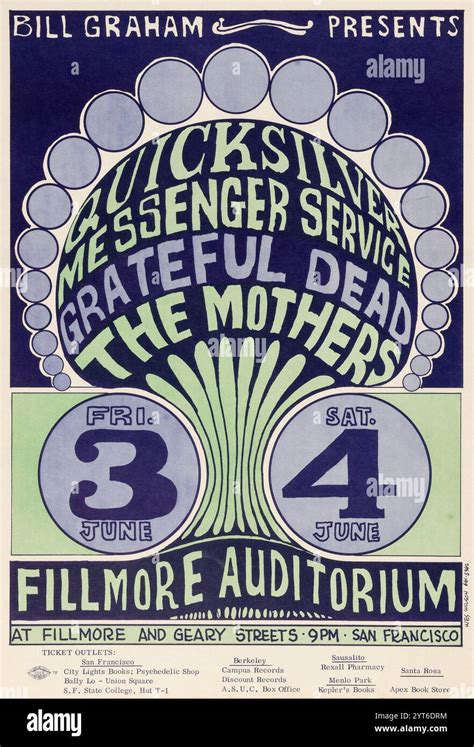
In December 1965, Sullivan granted Bill Graham permission to use his dance hall permit to organize a benefit for the San Francisco Mime Troupe. This event marked the beginning of a significant association, with Graham subsequently booking shows on dates when Sullivan wasn't utilizing the space. Their agreement stipulated that Graham would assume control of The Fillmore should anything unforeseen happen to Sullivan. This period saw the venue transform into a crucible of psychedelic music and the burgeoning counterculture. Legendary acts such as the Grateful Dead, Jefferson Airplane, Quicksilver Messenger Service, Moby Grape, The Doors, the Jimi Hendrix Experience, The Byrds, Big Brother and the Holding Company, Santana, Frank Zappa's The Mothers of Invention, and British bands like The Who, Cream, and Pink Floyd graced its stage. Beyond rock music, Graham's programming was remarkably diverse, featuring non-rock artists like Lenny Bruce, Miles Davis, Rahsaan Roland Kirk, Charles Lloyd, Aretha Franklin, and Otis Redding, alongside poetry readings. B.B. King's performances were particularly impactful, introducing many to the authentic blues sounds that informed the blues-rock subgenre, and he subsequently became a countercultural icon. Albert King also delivered a series of acclaimed shows in 1968, with one performance later released as his first live album, Live Wire/Blues Power. The venue's ambiance, characterized by swirling light shows, strobe lights, and uninhibited dancing, contributed significantly to its cultural impact, even being referenced by Hunter S. Thompson.
The Fillmore's unique aesthetic was further amplified by its avant-garde multimedia shows. On May 27, 28, and 29, 1966, The Velvet Underground and Nico performed as part of Andy Warhol's Exploding Plastic Inevitable. Danny Williams, their light show engineer, pioneered many standard practices in rock music light shows by constructing a system at The Fillmore that incorporated stroboscopes, slides, and film projections, drawing inspiration from Jonas Mekas' earlier film projections in New York. As conceived by Warhol and Williams, these shows also encouraged wild, free dancing, both among the audience and on stage. Although The Velvet Underground's proto-punk style didn't immediately resonate with the San Francisco counterculture, Graham recognized the innovation and retained Williams to develop additional light systems.
Evolution and Expansion: From the Carousel to National Recognition
By the summer of 1968, the socioeconomic decline of the surrounding neighborhood and the modest capacity of the original Fillmore Auditorium prompted Bill Graham to move. He took over the Carousel Ballroom at 10 South Van Ness Avenue, which had been operated as a cooperative by local bands like the Grateful Dead and Jefferson Airplane. This new venue was renamed the Fillmore West, paralleling Graham's Fillmore East in New York City's East Village. The original Fillmore location eventually became known as The Elite Club. In the early 1980s, punk promoters Paul Rat and Wes Robinson revived the venue by booking punk rock shows. The Fillmore was later reopened under Graham's management in the mid-1980s but suffered damage and closure due to the Loma Prieta earthquake in October 1989.
Following Bill Graham's tragic death in a helicopter crash in 1991, his associates committed to fulfilling his final wish: to retrofit and reopen the original Fillmore. This undertaking required extensive structural work, and the venue officially reopened on April 27, 1994, with an unannounced surprise show by The Smashing Pumpkins, followed by the first official reopening concert by Primus the next night. The Fillmore re-established itself as a prominent San Francisco music hub, hosting frequent shows.
Live Nation has since expanded the Fillmore brand significantly, naming several of its existing and new clubs after the iconic venue. These include locations in Denver, Detroit, Philadelphia, and the Fillmore at the Jackie Gleason Theater in Miami Beach, Florida. The Fillmore Charlotte opened in June 2009, followed by a groundbreaking for The Fillmore Silver Spring in Maryland in 2010, with its opening in late 2011.
The Fillmore: The Rock Venue That Changed Music Forever
The Fillmore Silver Spring: A Modern Icon with Historic Roots
The Fillmore Silver Spring, located in the heart of downtown Silver Spring, Maryland, stands as a testament to the enduring legacy of its San Francisco namesake. Opening its doors in 2011, this venue was conceived to offer an exceptional live music experience, skillfully blending modern amenities with nostalgic elements that honor the rich musical heritage of the original Fillmore. The groundbreaking for this venue occurred on September 2, 2010, with County Executive Isiah Leggett noting its importance in the revitalization of Silver Spring. The music venue is built on the site of the historic 1948 J.C. Penney Co. building and spans approximately 23,000 square feet, with a capacity to seat between 500 and 2,000 people for concerts, and 1,200 for private events.
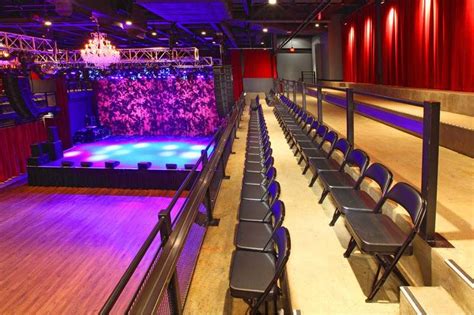
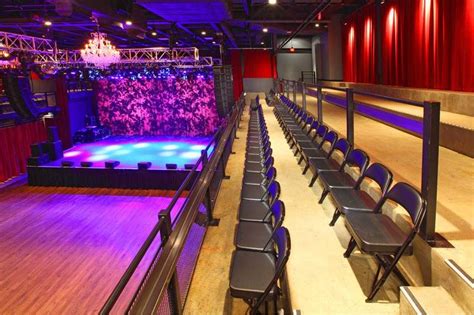
The Fillmore Silver Spring features a state-of-the-art sound and lighting system, lush interiors, professional staff, and provides an exceptional culinary experience. The venue's design is a deliberate homage to classic rock elegance, featuring beautiful hardwood floors, industrial fixtures, original hand-painted murals, deep red velvet curtains, classic rock posters, and crystal chandeliers. Its open floor plan offers flexibility for various event setups, making it suitable for private luncheons and meetings. The venue's commitment to superb service, knowledge, style, and event planning experience aims to create unforgettable events, with a focus on thoughtful planning and flawless execution.
A Diverse Roster and Community Hub
Like its famous predecessor in San Francisco, The Fillmore Silver Spring hosts a wide array of artists, encompassing punk, pop, rock, hip-hop, and comedy. Its schedule reflects a dedication to diversity and inclusivity within the music industry, featuring electronic, country, independent, rock, hip-hop, and pop musicians, and aiming to showcase both established headliners and emerging artists. A key aspect of The Fillmore Silver Spring's mission is its commitment to nurturing new talent. Through initiatives like "Fillmore Flashback," an annual event spotlighting local bands and performers, the venue actively supports emerging artists in the region. Furthermore, the venue frequently hosts all-ages performances, fostering an inclusive environment where young musicians and their supporters can gather.
Beyond its role as a concert venue, The Fillmore Silver Spring functions as a community hub. Its strategic location in the center of Silver Spring has invigorated the city's nightlife, attracting both tourists and locals to its growing entertainment district. The venue's recognizable marquee, with its illuminated inscriptions and vibrant colors, serves as a beacon, drawing music fans from across the area. The interior, with its vintage chandeliers, traditional red velvet furnishings, and murals honoring rock royalty, creates an inviting and cozy ambiance, merging the elegance of a past era with the contemporary conveniences necessary for a top-tier concert experience.
Enhancing the Fan Experience
The Fillmore Silver Spring is designed to provide an unparalleled live music experience. The venue primarily features a standing-room configuration, fostering an energetic atmosphere. However, for those seeking enhanced perks, Premium Seats in the balcony are available through a membership program, offering benefits like early admission. Accessibility is a priority, with wheelchair and companion seats available for purchase. Individuals with disabilities are encouraged to contact the box office in advance at 301-960-9999 or speak with security on the night of events.
To ensure the safety and efficiency of entry, The Fillmore Silver Spring requires that all bags larger than a hand must be made of clear material. This policy, along with rigorous venue sanitation standards and face mask and distancing protocols, is in place for the safety of all attendees, performers, and staff. Ticketing for events is conveniently available online and at the venue's box office.
The Fillmore brand is also known for its unique traditions, such as the provision of free apples for concertgoers, a practice that originated at the San Francisco venue and continues to this day at some locations. Psychedelic concert posters, a hallmark of the 1960s Fillmore era, created by artists like Wes Wilson and Rick Griffin, are also part of the venue's historical tapestry, with copies sometimes given to fans at selected, sold-out shows, further connecting the contemporary experience to its rich past.
A Culinary and Cultural Complement
The area surrounding The Fillmore Silver Spring offers a diverse culinary landscape, providing ample opportunities for attendees to enjoy a meal or a drink before or after a show. On the same block, venues like Kao Thai Restaurant, Abol Ethiopian Cuisine, Koité Grill, and La Malinche Spanish and Mexican Tapas offer a variety of dining experiences. Nearby options include Sushi Jin Next Door, Lebanese food at LEBTAV, and the Guatemalan chain Pollo Campero. For those seeking a quick snack, the venue itself offers concessions, including beer and cocktails.
The Fillmore Silver Spring is more than just a venue; it's a living memorial to Silver Spring's musical history and a vibrant center for contemporary music and entertainment. Its distinctive marquee and elegant interior transport visitors to a bygone era while simultaneously serving as a thriving hub for modern music. It is a place where music enthusiasts connect, local talent is cultivated, and a strong sense of belonging and community is fostered, embodying the enduring spirit of The Fillmore.