Humans often harbor misconceptions, anxieties, and outright myths regarding the reproductive processes of chickens. Delving into the world of poultry romance reveals a fascinating interplay of instinct, behavior, and biological adaptation. This exploration aims to demystify how chickens court, how roosters and hens engage in mating, and the considerations for allowing such natural behaviors within a flock.
The Art of Chicken Courtship
The prelude to mating in chickens is often described by the somewhat formal term "courting." This encompasses the behaviors exhibited by both roosters and hens leading up to the physical act. The rituals bear a striking resemblance to historical human courtship customs, where the male initiates and the female ultimately decides whether to accept his advances. Much like certain historical social norms, roosters are not typically monogamous and may engage in courtship and mating with multiple hens, sometimes within the same day.
The Rooster's Approach: Tid-Biting and Dancing
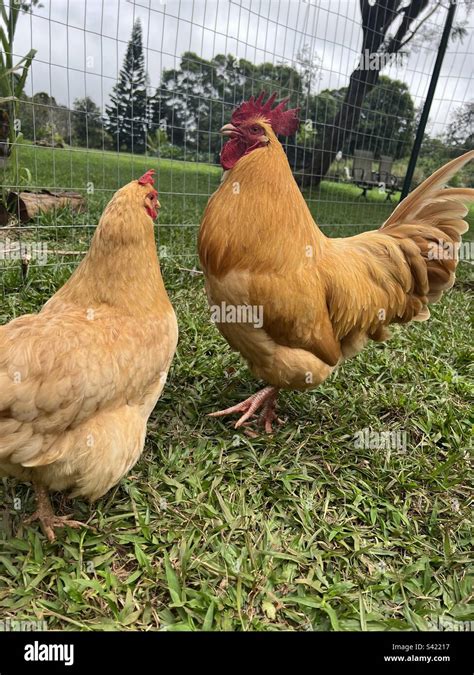
A rooster understands that securing a hen's favor often begins with sustenance. He initiates the courtship ritual by "tid-bitting," which involves offering a choice morsel of food to a hen. This action serves a dual purpose: it signals his interest in her and demonstrates his potential as a provider, a crucial trait in a wild setting. Following this gastronomic overture, the rooster may engage in a "dance" with the female. A particularly ardent rooster will dip one wing toward his chosen hen and then circle her in a shuffling motion. This display is frequently the final step before mating commences.
The Hen's Role: Passive Acceptance or Firm Rejection
A hen, the female chicken, plays a more passive role in the courtship process, making her intentions sometimes harder to discern. Individual hens do not typically approach or woo a rooster. Instead, they await his attention and then signal their acceptance or rejection of his advances.
Does Mating Harm the Hen?
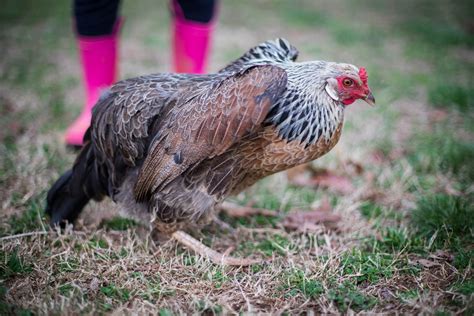
Hens who are not receptive to a rooster's advances will communicate this unequivocally, often by ignoring him or even physically fending him off. The physical nature of the mating act, coupled with potential aggression between roosters and hens, can unfortunately lead to injuries within the flock. Vigilant observation of the flock, particularly during periods of increased mating activity, is therefore essential. A hen ready to mate will respond to the rooster's courtship dance by crouching or squatting low to the ground and slightly spreading her wings. This posture directly signals her readiness for mating, making it physically easier for the rooster to mount her.
The Mechanics of Chicken Reproduction: The Cloacal Kiss
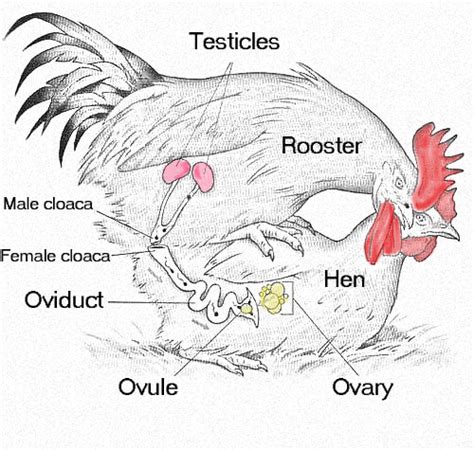
The physical act of chicken mating is often referred to by the euphemistic and romantic-sounding term, the "cloacal kiss." As experienced chicken keepers know, the cloaca is a vital anatomical feature serving multiple functions for chickens, including egg-laying, waste expulsion, and reproduction. Both roosters and hens possess cloacas, but key anatomical differences facilitate the mating process.
Crucially, roosters do not possess a penis. Instead, they have a papilla, a small, eversible bump that can be extended from the cloaca to deliver sperm into the hen's cloaca. To achieve this, the rooster mounts the hen from behind, using his claws to grip the feathers on her back and head for stability. This action can appear aggressive and may result in minor injuries to the hen, such as feather loss. Hens, in turn, will extend their cloacas to maximize sperm uptake. The sperm is directed towards the oviducts, where eggs are formed. Fertilization typically occurs when the sperm reaches the developing egg, which can happen about a week after mating. Furthermore, hens possess the remarkable ability to store sperm within their bodies, allowing it to fertilize eggs for days or even weeks following a single mating event.
To Mate or Not to Mate: A Flock Keeper's Decision
The decision of whether to allow mating within a chicken flock is a personal and subjective one, with no single "correct" answer applicable to all keepers. The ideal choice depends on individual birds, the keeper's available time and resources, and their long-term goals for the flock.
Benefits of Allowing Mating
Allowing natural mating offers several advantages for a chicken flock. For keepers with "broody" hens (hens inclined to sit on and hatch eggs), natural mating provides an outlet for this behavior without disrupting the egg-laying of other hens. It also eliminates the need to purchase eggs, chicks, or pullets, fostering a self-sustaining flock. Mating is a natural behavior that contributes to the stimulation, socialization, and overall happiness of the birds. Additionally, the presence of a rooster can offer a degree of protection to the hens against predators.
Disadvantages of Allowing Mating
Conversely, there are potential drawbacks to consider. If a flock lacks a naturally broody hen, hatching chicks can become a labor-intensive process, requiring artificial incubation and chick-rearing. Keepers will need to dedicate extra time and resources to identifying fertilized eggs and potentially raising any hatched chicks to adulthood. Introducing multiple roosters can lead to increased aggression, fighting, and injuries among the males. Aggressive mating behaviors can also inflict injuries on hens, and competition surrounding mating can exacerbate bullying among female birds.
The Frequency and Timing of Chicken Mating
The frequency and success rate of mating are influenced by various factors, including the individual birds, their age, breed, and the season. During peak seasons, a rooster may mate multiple times a day, with an estimated 60% of these matings resulting in successful fertilization, though this figure can fluctuate.
Factors Influencing Mating Frequency
A significant factor determining mating frequency is the number of hens in the flock. Roosters are capable of mating prolifically, potentially up to 30 times daily. A single hen cannot sustain this pace, so a larger hen-to-rooster ratio allows the rooster more opportunities to mate. Individual birds also exhibit varying levels of sexual drive and preferences, much like humans, and these inclinations are generally not alterable.
Age and Seasonality
Chickens reach sexual maturity and are more likely to mate successfully when they are younger. The peak of their sexual activity typically occurs between one and three years of age. Mating is also most prevalent during the spring and least common in the winter. While warmer temperatures generally correlate with increased mating activity, roosters are capable of mating year-round, and instances can occur even during colder months.
The Age of Maturity for Mating
Once chickens reach sexual maturity, younger birds tend to mate more frequently and successfully than older ones. The prime age for significant reproductive activity generally falls between one and three years. The changing daylight hours also play a crucial role. Hens' ovulation cycles are directly influenced by the length of the day, with maximum egg production occurring during the summer months when daylight can reach 16 hours. Egg production can be sustained through spring, fall, and winter if artificial lighting is provided to supplement daylight hours to 14-16 hours.
A hen's ovulation, the release of a yolk from her ovary, occurs every 24 to 26 hours, irrespective of whether fertilization has taken place. A new yolk is typically released shortly after a previous egg has been laid. The entire process of egg formation, including the development of the white and shell, takes approximately 26 hours. Consequently, a hen will lay her eggs progressively later each day. Eventually, an egg may be laid too late in the day for the hormonal signal to trigger the next ovulation. While laying hens can be processed for meat, their genetics are optimized for egg production, resulting in tougher meat with less yield compared to specialized meat breeds. Stewing or using their meat in soups can improve palatability.
The Practicalities of Natural Breeding
For those considering natural breeding within their backyard flock, understanding the process is key to successful egg fertility, maintaining flock health, and potentially raising chicks.
The Rooster's Role in Fertility
Hens will lay eggs regardless of a rooster's presence, but these eggs will not be fertile and therefore cannot hatch into chicks. The rooster's role is to fertilize the eggs through mating.
Courtship Rituals in Detail
The rooster's courtship involves behaviors designed to gain the hen's approval. The "wing drag" or "wing drop" dance is a common display intended to attract her attention. As previously mentioned, "tid-biting," where the rooster presents food, is another significant mating ritual. He will often cluck, scratch the ground, and circle the hen while making a show of the food, effectively communicating his suitability as a mate.
The "Cloacal Kiss" and Fertilization
Upon accepting the rooster's courtship, the hen will adopt a submissive posture, crouching low and spreading her wings to signal readiness. The rooster then mounts the hen, a behavior termed "treading," where he grasps her neck feathers with his beak for balance. The hen's crouched stance, spread wings, and lowered tail facilitate the process. The brief contact of their cloacas, the "cloacal kiss," is the mechanism for sperm transfer. This rapid event ensures sperm is delivered to the hen's reproductive tract. The hen can store this sperm for up to two weeks, allowing it to fertilize subsequent eggs as they are laid.
Understanding Male Anatomy
It is important to reiterate that roosters do not possess a penis. Their reproductive organ is a papilla, a small bump located internally within the cloaca, which is everted during mating to deliver semen.
Treading and Potential Injuries
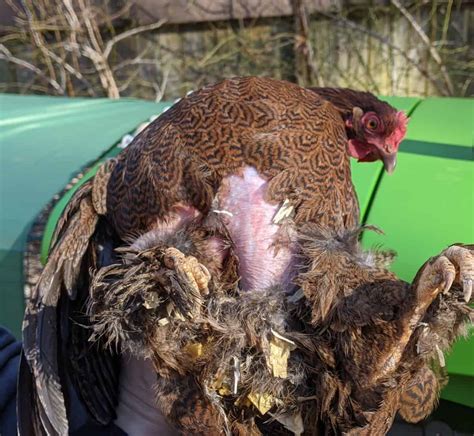
The act of treading, while necessary for mating, can sometimes lead to feather damage, skin abrasions, and bald spots on the hen's back. For particularly aggressive roosters, specialized "hen saddles" can be used to protect the hen's back during mating.
Why Understanding Chicken Reproduction Matters
For backyard chicken keepers, knowledge of chicken reproduction extends beyond mere curiosity. It is fundamental for several reasons:
Ensuring Egg Fertility
For those interested in breeding chickens, understanding the mating process is essential for producing fertile eggs capable of hatching into chicks.
Maintaining Healthy Flock Dynamics
Awareness of mating behaviors and appropriate rooster-to-hen ratios is crucial for preventing over-mating, reducing stress, and maintaining a balanced and harmonious flock environment.
Promoting Natural Behaviors
Encouraging and understanding natural mating behaviors contributes to the overall well-being, social cohesion, and health of the chickens.
Signs Your Chickens Have Mated
Observing specific behaviors and physical signs can indicate that mating has occurred:
Behavioral Indicators
A hen that has mated or is receptive to mating will often crouch down when approached by a rooster, signaling her willingness. A rooster who frequently mates may become more territorial and protective, actively guarding his hens from perceived threats.
Physical Indicators
Feather loss on the hen's back or neck is a common physical sign resulting from the rooster's treading. Excessive feather loss may necessitate the use of a hen saddle for protection.
Identifying Fertilized Eggs
Determining if an egg is fertilized can be done through several methods:
Visual Inspection of the Yolk
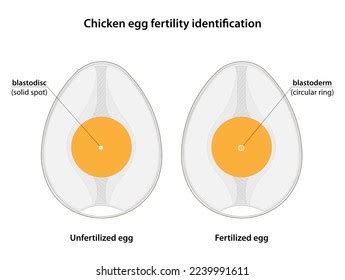
Upon cracking open an egg, a fertilized yolk will typically display a small, white "bullseye" marking. Fertilized eggs are safe to consume and taste identical to unfertilized ones. If provided with adequate incubation conditions, a chick will begin to develop within a fertilized egg, with hatching occurring approximately 21 days later.
Candling Eggs
Candling involves holding an egg up to a bright light source in a darkened room. This allows for visualization of the egg's interior. Fertilized eggs will exhibit intricate, spider-like veins and a discernible dark area indicating embryo development. Unfertilized eggs, in contrast, will appear uniformly translucent.
Facilitating Mating in Your Flock
If natural mating is not occurring as frequently as desired, several strategies can be employed:
Optimizing Rooster-to-Hen Ratios
A balanced flock typically has one rooster for every 8 to 10 hens. An insufficient number of hens can lead to over-mating and stress on individual birds, while too many hens may mean some do not receive adequate attention from the rooster.
Ensuring Proper Nutrition
A well-balanced diet is critical for the reproductive health of chickens. Providing a high-quality layer feed ensures they receive essential nutrients, promoting healthy mating and the production of fertile eggs.
Creating a Stress-Free Environment
Chickens are less likely to engage in mating behaviors when stressed. Providing a safe, spacious, and clean coop with ample food and water, and protecting the flock from predators, are vital for maintaining a calm environment conducive to reproduction.
Managing Rooster Behavior
If a rooster exhibits overly aggressive mating behavior, increasing the number of hens in the flock or temporarily separating the rooster can help reduce stress on the hens.
Ensuring a Conducive Chicken Environment
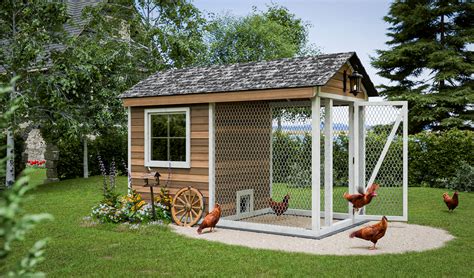
Creating a safe and comfortable environment is paramount for the overall health and reproductive success of chickens. High-quality chicken coops, designed with the flock's needs in mind, can significantly contribute to their well-being.
Frequently Asked Questions About Chicken Mating
How Do Chickens Actually Mate?
The mating process involves the rooster using his internal papilla to deliver sperm into the hen's cloaca during a brief period of physical contact, often referred to as the "cloacal kiss." The rooster mounts the hen from behind, holding onto her feathers for stability.
What is the Mating Position of Chickens?
The hen signals her readiness by crouching and spreading her wings. The rooster then mounts her, holding her neck feathers or the skin on her back for balance.
Does Mating Affect Egg Production?
Mating does not influence the number of eggs a hen lays; it solely determines whether those eggs are fertile.
Is Mating Bad for Hens?
Mating is a natural process. It is generally not harmful unless the rooster becomes excessively aggressive. In such cases, protective measures for the hens are necessary.
Breeding and Hatching Fertile Eggs
For those aiming to expand their flock through breeding and hatching:
Daily Collection of Fertile Eggs
Collect fertile eggs daily to prevent breakage or contamination. Confirm fertility by checking for the characteristic "bullseye" on the yolk.
Choosing Between Natural Brooding and Incubation
Eggs can be hatched naturally by a broody hen or artificially using an incubator. Incubators offer greater control over temperature and humidity, which are critical for successful hatching.
Hatch Day
After approximately 21 days of incubation, fertile eggs will hatch into healthy chicks.
Incubating Chickens is SUPER Easy!
The process of chicken reproduction, from courtship rituals to the mechanics of fertilization, is a fascinating aspect of avian biology. Understanding these natural behaviors is essential for any chicken keeper aiming to foster a healthy, productive, and potentially self-sustaining flock. By observing these intimate interactions and ensuring the right environmental conditions, keepers can support the natural cycle of life within their feathered companions.