In the ever-evolving digital landscape, effectively managing online interactions is paramount, and VSCO, a prominent platform for photography enthusiasts and social networking, is no exception. For both long-time users and newcomers to the app, understanding the intricacies of how to unblock someone on VSCO is a fundamental aspect of cultivating a positive and controlled online environment. VSCO, widely recognized as a leading mobile application, seamlessly integrates sophisticated photography editing tools with a robust social networking component. Its distinctive minimalist aesthetic and dedication to fostering creativity empower users to share their visual creations and forge connections within a global community.
The act of blocking on VSCO serves as a critical tool for establishing and maintaining personal digital boundaries. It is a mechanism designed to preempt unwanted interactions, safeguard individual privacy, and meticulously manage the visibility of one's content. This capability ensures that users have agency over their online experience, allowing them to curate a space that aligns with their comfort levels and preferences.
The Mechanics of Unblocking on VSCO: A Step-by-Step Approach
Initiating the unblocking process on VSCO is a straightforward procedure, designed for user accessibility. To begin, users must first open the VSCO application on their device. Once the app is active, the next step involves navigating to one's personal profile. Within the profile section, users will need to locate the application's settings menu. Within these settings, a specific area dedicated to Privacy or Security should be discernible. It is within this section that users will typically find an option explicitly labeled "Blocked Users" or a functionally equivalent designation.
After locating the "Blocked Users" list, the user must then scroll through the presented list to identify the specific individual they wish to unblock. Upon finding the desired profile, a simple tap on their entry will reveal further options. Among these options, the "Unblock" command will be available. Selecting this option will effectively remove the individual from the user's blocked list, thereby reinstating their ability to interact with the user's profile and content.
Should a user encounter difficulties in locating the "Blocked Users" list, it is advisable to ensure that the VSCO application is updated to its most recent version. Software updates frequently introduce modifications to the app's layout and the placement of its settings. Keeping the app current can resolve issues related to missing or relocated features.
Beyond Blocking: Comprehensive Privacy Management on VSCO
While the ability to block and unblock users is a significant feature, VSCO offers a broader spectrum of privacy controls that allow users to fine-tune their interactions and content visibility. For instance, users can manage who has the privilege to view their shared content or engage with their profile without resorting to a complete block. This nuanced approach provides flexibility in managing digital relationships.
A particularly useful alternative to outright blocking is the "mute" function. If the intention is to limit interactions without severing all potential future connections, muting an account is an effective strategy. This allows a user to cease receiving notifications from a particular individual or to filter their content from their feed, while still maintaining the possibility of future interaction if circumstances change.
Case Studies in Digital Interaction Management
Real-world scenarios underscore the importance of judiciously managing digital interactions. Consider a hypothetical situation where a user might initially block another individual due to a misunderstanding or a fleeting disagreement. Subsequently, after the situation has been resolved or perspectives have shifted, the user may decide to unblock that individual, thereby restoring their connection. Such instances highlight the dynamic nature of online relationships and the utility of having tools to adjust these connections as needed.
Users often encounter challenges when navigating these privacy features. These can range from the simple difficulty of locating the specific menu for blocked users to a more complex lack of understanding regarding the full implications of unblocking someone. As concerns surrounding digital privacy continue to escalate, platforms like VSCO are increasingly likely to refine and enhance their privacy-related functionalities, offering users even greater control over their online presence.
Understanding the Implications of Blocking and Unblocking
Blocking on VSCO is a deliberate action designed to foster a safer and more controlled environment for its creators. The platform emphasizes that blocking is a tool that empowers creators to dictate their own experiences. When a creator is blocked, they are essentially precluded from engaging with the user in multiple ways. Specifically, a blocked creator cannot follow the user, initiate private messages, join any "Spaces" created by the user, view content displayed on the user's profile, or interact with the user's content in any capacity across the entire VSCO platform. Furthermore, any previously favorited images or content that the blocked creator may have republished from the user will be removed.
An important aspect of the blocking mechanism on VSCO is that the blocked creator does not receive any direct notification informing them that they have been blocked. This feature allows for the management of digital boundaries without necessarily escalating or creating immediate conflict. However, it is crucial to understand that blocking is a reciprocal action. Just as the user has restricted the blocked creator's ability to interact with them, the user also loses the ability to interact with the blocked creator. Despite these restrictions, it is worth noting that creators who have been blocked by a user will still appear if the user chooses to search for their specific username.
The Process of Blocking a Creator
To block a creator on VSCO, the user must first navigate to the profile of the specific creator they wish to block. Once on the creator's profile page, the user should locate and tap on the "Options" icon, which is typically situated in the upper right-hand corner of the screen. From the menu that appears, the user then selects the "Block" option.
The Process of Unblocking a Creator
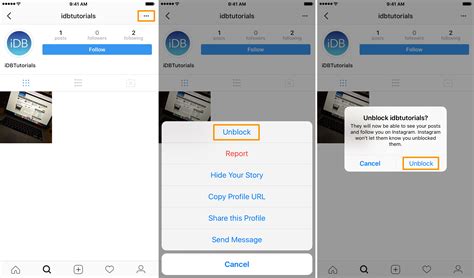
Conversely, if a user decides to unblock a creator, the procedure is similarly straightforward. The user needs to navigate back to the profile of the creator they wish to unblock. On the creator's profile, they will again tap on the "Options" icon in the upper right-hand corner. In the subsequent menu, the user will find and select the "Unblock" option. It is important to note that unblocking a creator does not automatically re-establish a "follow" connection. If the user wishes to follow the creator again, they must do so manually after the unblocking process is complete.
VSCO's Messaging Features: Enhancing Communication and Privacy
Beyond the core functionalities of blocking and unblocking, VSCO places significant emphasis on its private messaging features, aiming to enhance user interaction and provide an additional layer of privacy. Private messaging is often preferred by users as it offers greater control over communication exchanges. VSCO's messaging system allows users to selectively accept messages they wish to engage with and to filter out unwanted communications.
The platform provides exclusive messaging features designed to enrich the overall VSCO user experience. Through this feature, VSCO community members can send private messages, facilitating direct communication and fostering connections within the community. These private messages serve as a valuable tool for sharing innovative ideas, expertise, and personal experiences, thereby aiding in the construction of a robust VSCO social network.
Accessing and Managing Private Messages on VSCO
The method for accessing private messages can vary slightly between Android and iOS operating systems.
For VSCO Android users:Message notifications are typically displayed directly within the VSCO profile interface. The notification center, where all messages are consolidated, is usually found at the top right corner of the VSCO profile. When a private message is received, a notification will appear at the top of the profile, and users can respond directly from this notification center. Staying updated with the notification center is key to staying connected with the VSCO community.
For VSCO iOS users:Accessing private messages is initiated by tapping on the profile icon, generally located in the bottom menu. Subsequently, users click on the global menu, which appears in the top right corner. Within this global menu, the "message" option is available. Clicking on this section will display all received messages.
How to Contact VSCO App Support Easily
Granular Control Over Your Messages
VSCO empowers its users with a variety of privacy options to manage and control their private messages effectively. These direct messaging options are designed to enhance the user experience.
Messages Block Option: VSCO provides the functionality to block individuals from sending messages. If a user receives unwanted messages, they can prevent that person from following, messaging, or engaging with their account by utilizing the block option. Additionally, users have the ability to report the problematic individual to VSCO, further enhancing user privacy and platform safety.
Ignore Messages: For messages deemed unimportant or less critical, users can employ the "ignore" option. This action removes the message from the primary inbox, allowing only more significant messages to remain visible and accessible.
VSCO Private Message Accept Option: Every message received appears in the VSCO inbox. Users have the discretion to "accept" messages they are interested in engaging with, thereby fostering genuine connections within the VSCO community and curating their interactions.
Control Over Receiving Messages: The privacy settings within VSCO's messaging system enable users to specify who can send them messages. A common and effective setting is to "only allow messages from people I follow."
- iOS users can activate this by toggling the corresponding option in the preferences section of the global menu.
- Android users can enable this by tapping on the "only allow messages from people I follow" option within their settings.
Forwarding Content and Managing Notifications
Forwarding Content in VSCO Private Messages: VSCO offers the ability to forward content directly within private messages. Users can select content from their profile, tap the share icon, choose the desired follower or contact, and then tap the forward icon to send the content.
Message Notifications: Message notifications serve as alerts for new messages, appearing in the notification center. They are crucial for staying informed about incoming communications. When a private message is sent on VSCO, its notification is displayed in the notification center, accessible from the top right corner of the user's profile.
Organizing Conversations: Message Thread Management
Effective management of message threads is key to maintaining an organized inbox and elevating the overall communication experience on VSCO. The platform offers several options for controlling messages:
How to Leave a Message Thread: Users can quickly exit a conversation by swiping left on the message thread and selecting the "leave" option. This helps in keeping the inbox uncluttered. However, it's important to note that the sender can re-initiate the conversation by sending a new message.
How to Mute a Message Thread: VSCO allows users to mute notifications for specific message threads. This means that while the user will no longer receive active alerts for that particular conversation, they can still access and view the messages and engage in the chat at their convenience.
How to Stop a Conversation: Permanently ceasing communication with another user can be achieved by either blocking or unfollowing their VSCO account.
- Blocking the User: As detailed previously, blocking a user prevents them from messaging, following, and interacting with your account. While a blocked user cannot interact with your account, the option to unblock them remains available if you wish to re-establish communication.
- Unfollowing the User: Unfollowing a user's account will result in their posts no longer appearing in your feed, and they will be unable to send you messages. This method offers a way to cease messaging from someone without resorting to a full block.
Profile Access Settings and Community Safety
VSCO places a high priority on community safety and the protection of user-created work from misuse. To ensure a secure environment and to facilitate full access to the community's features, users are required to have a VSCO account. The platform acknowledges that creators may wish to share their profiles more broadly with individuals who do not possess VSCO accounts. To accommodate this, VSCO has enabled profile customizations that allow members to control these settings.
This particular feature is available to users who upgrade their account to a Plus or Pro membership, and it is currently implemented on iOS only.
How to Access the Feature:
- Mobile App: Users should tap on the Profile section icon. Then, tap on "edit." Scroll down the page to the "Viewer Access" section. Here, a toggle switch allows users to enable or disable access for individuals without a VSCO account to view their profile. The toggle is defaulted to the "off" position.
- Desktop at vsco.co: Users can navigate to vsco.co on a web browser, select the "Profile" section, and then choose "Edit Profile." After selecting the "Profile" icon, scroll down to the "Viewer Access" section. Similar to the mobile app, a toggle allows users to control whether individuals without a VSCO account can view their profile.