Collage, an art form born from the ingenious minds of Cubist pioneers Georges Braque and Pablo Picasso around 1910, has evolved into a versatile and accessible medium for artists of all levels. The term itself, derived from the French word "coller" meaning "to glue," perfectly encapsulates the essence of this technique: the artful selection, arrangement, and affixing of diverse materials onto a flat surface. While painting and sculpture demand years of technical mastery, collage finds its artistic expertise in the discerning eye and the creative hand that chooses, layers, and bonds. This guide delves into the multifaceted world of collage, exploring its history, various forms, and practical techniques for creating your own captivating layered compositions.
Understanding the Genesis of Collage
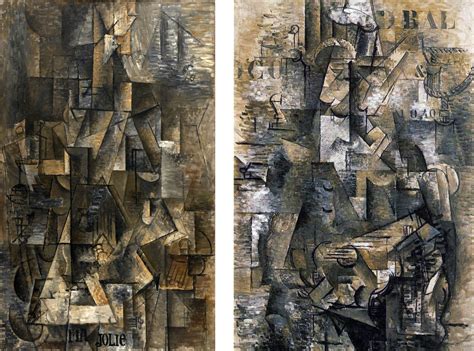
The revolutionary concept of collage emerged as Braque and Picasso sought new ways to represent reality in their art. By fragmenting and distorting subjects, they began incorporating disparate elements like printed oilcloth, newspaper clippings, and patterned paper onto their canvases. This practice not only added a novel visual dimension but also challenged the traditional boundaries of fine art, blurring the lines between art and everyday culture. Picasso's "Still Life with Chair Caning" (1912), which famously included painted elements, oilcloth with a chair caning pattern, and a piece of rope as a frame, stands as one of the earliest and most iconic examples of this groundbreaking approach. This integration of found objects and everyday materials signaled a profound shift, influencing subsequent avant-garde movements and permanently altering the landscape of the art world.
Exploring the Diverse Forms of Collage
Collage is not a monolithic practice; it encompasses several distinct art forms and techniques, each with its unique characteristics, yet united by a common thread of elevating the ordinary into the realm of high art. This anti-aesthetic approach, a hallmark of early 20th-century avant-garde movements, defied conventional artistic standards and challenged bourgeois culture.
Papier Collé: The Art of Pasted Paper
"Papier collé," translating to "pasted paper," specifically refers to artworks where only paper elements are adhered to a flat surface. This technique was extensively explored by Picasso and Braque, often employing newspaper clippings to further dissolve the separation between fine art and the everyday. The meticulous placement and layering of various papers allow for intricate textures, subtle color variations, and sophisticated compositions.
Assemblages: Three-Dimensional Creations
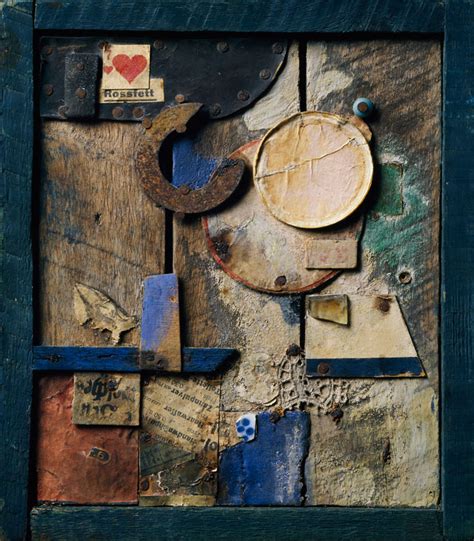
Assemblages extend the principles of collage into the third dimension, utilizing found objects to create three-dimensional compositions. Originally inspired by Surrealist artists who drew upon Sigmund Freud's theories of dreams and the unconscious, this method allows for the construction of absurd and evocative objects. Picasso's "Still Life" is considered an early example, transforming the still life tradition into a spatial exploration. Dada artists like Kurt Schwitters further developed assemblage, creating large-scale, non-hierarchical arrangements from discarded materials, challenging notions of artistic value and order.
Décollage: Unveiling Layers
Décollage, a French term meaning "to unstick," involves the deliberate tearing away of layered elements, often advertisement posters, to reveal images and text beneath. This technique is closely associated with the Nouveau Réalisme movement founded in the 1960s and offers a unique way to explore themes of decay, consumerism, and hidden narratives. The act of deconstruction becomes as significant as the act of creation, exposing a history embedded within the material itself.
Montage and Photomontage: Assembling Images
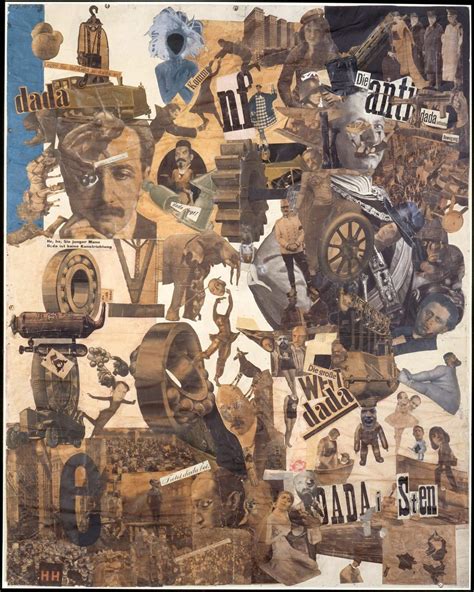
Montage is the broader practice of assembling related images into a unified composition. Photomontage, a specific subset, utilizes photographs as its primary material. This technique has proven to be a potent tool for social commentary, as artists manipulate and recontextualize mass-media imagery to question, subvert, or reimagine its original meanings. The juxtaposition of different photographic elements can create powerful narratives, evoke specific emotions, and challenge viewers' perceptions.
Contemporary Collage: Pushing Boundaries
Today, a vibrant community of artists continues to push the boundaries of collage, with photomontage remaining a particularly popular and impactful style.
Benjamin West, for instance, explores the intricate relationship between human activity and nature through his photomontages. His "Processed" series masterfully intersects natural elements with mechanical or industrial components, paying homage to John Heartfield, a Berlin Dada artist often called "Dada Monteur" for his revolutionary use of scissors and glue in creating collages and photomontages as an alternative to traditional painting.
Australian-born Kareem Rizk has gained international recognition for his distinct mixed-media collage style, characterized by a warm, nostalgic aesthetic. By incorporating vintage materials like postcards and book clippings, Rizk transports viewers back in time, evoking a powerful sense of memory and personal history.
David Hockney, while known for his vibrant pool paintings, also pioneered photographic collage. His iconic "Pearblossom Hwy. 11-18th April 1986" is a testament to his innovative use of multiple photographs to create a composite landscape, capturing the essence of the Californian countryside. Hockney has also applied this technique to urban environments, as seen in works like "Graffiti Palace, NY 1982."
Robert Pereira Hind's unique works evolve over time, their appearance changing as they mature. Hind's artistic practice is deeply rooted in exploring experiential and existential realms, with his collages serving as a visual framework for his "infinity."
Practical Techniques for Collage Creation
Embarking on your collage journey can feel daunting, but with a few foundational principles and practical tips, you can begin to create compelling works. While the ripped aesthetic is a valid and exciting approach, many artists aim for a more seamless, well-blended collage that builds worlds with a unified visual language.
1. Strategic Material Sourcing
The hunt for the perfect materials can be as rewarding as the creation process itself. While National Geographics, Life magazines, and vintage books are popular choices, don't overlook thrift shops and flea markets. These treasure troves often yield a wealth of unique imagery at more affordable prices. Befriending shop owners can also lead to specific finds. When selecting materials, consider their texture and how they will interact with other elements.
2. Harmonizing Textures
To achieve a well-blended and cohesive collage, it's crucial to match textures. Avoid combining very thin paper with thick cardstock within the same piece, as the disparity can be jarring. Aim for a consistent textural quality throughout your work for a more integrated appearance.
3. The Precision of Scissors
While Exacto knives have their place, many artists find that scissors offer superior precision, especially when working with delicate papers. Singer sewing scissors are a surprisingly effective tool for detailed cutting.
4. Cutting Inside the Lines
A subtle yet impactful technique involves cutting slightly inside the visible lines of a shape or figure. When you then integrate this element into a new composition, the surrounding elements will naturally define its edge, leading to a more organic blend.
5. Crafting Your Own Elements
Don't be limited by what you find. A circular cutter, for example, can be invaluable for creating perfect circles, allowing you to craft your own "planets" or other circular elements for space-themed or abstract collages.
6. Strategic Use of the Exacto Knife
While scissors may be preferred for general cutting, an Exacto knife is essential for more intricate work, such as stenciling or precisely integrating parts of figures into landscapes.
7. Applying the Rule of Thirds
Drawing from photographic principles, the rule of thirds can significantly enhance your collage's composition. Mentally divide your canvas into nine equal sections by two horizontal and two vertical lines. Placing points of interest at the intersections or along these lines creates a more balanced and engaging visual experience.
Rule of Thirds | An Easy Understanding
8. Repeating Colors
To create a sense of visual harmony and depth, repeat colors from different parts of your composition. This technique helps to unify disparate elements and can create an immersive effect, blurring the lines between subject and environment.
9. Repeating Lines and Forms
Subtler yet equally important is the repetition of lines and forms. Observe the inherent lines and shapes within your chosen imagery and consciously echo them throughout your collage. This can involve matching curves, repeating angular structures, or mirroring patterns, leading to a more intuitive and visually resonant piece.
10. Gluing Techniques for a Seamless Finish
Spray adhesive is often recommended for its even application and ability to allow for gentle adjustments. When applying spray adhesive, hold the material about one to two feet away from the spray to prevent over-saturation, ensure an even coat, and allow for slight repositioning of the element after it's been applied. Gluing is typically the final step, after the entire composition has been meticulously arranged.
Educational Value and Inspirational Artists
Teaching collage art in educational settings offers a wealth of benefits. It fosters creativity and self-expression by allowing students to combine diverse materials, textures, and images into unique personal statements. Working with various visual media also cultivates visual literacy, helping students to interpret, analyze, and synthesize images effectively.
The legacy of collage is celebrated by numerous inspiring artists who have continually redefined its possibilities. Hannah Höch, a pioneer of Dadaism, used photomontage for potent social and political commentary. Romare Bearden, an influential African American artist, masterfully blended collage with painting to depict the richness of Black life and culture. Wangechi Mutu's striking works explore themes of identity, gender, and race through a dynamic fusion of diverse materials and techniques. These artists, among many others, exemplify the boundless potential of collage as a medium for expressing complex ideas and narratives, encouraging new generations of creators to embrace this dynamic and versatile art form.
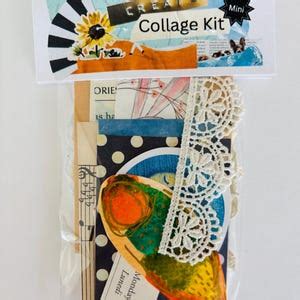
Whether you're drawn to the tactile nature of torn paper, the precision of cut elements, or the narrative power of photomontage, collage offers a rewarding avenue for artistic exploration. It's a medium that encourages experimentation, embraces found materials, and ultimately, empowers artists to build worlds, one layer at a time.