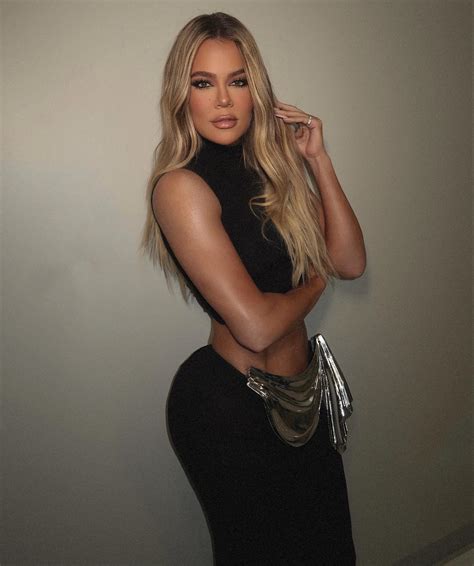
The digital age has brought with it an unprecedented level of image manipulation, and few figures have been as scrutinized for their use of photo editing as reality television star Khloé Kardashian. For years, fans and critics alike have debated the authenticity of her online presence, pointing to perceived discrepancies between her public images and her real-life appearances. Kardashian herself has recently opened up about her past relationship with photo editing, admitting to a period of intense digital alteration driven by societal pressures and a desire to conform to unrealistic beauty standards. However, this admission has been met with a wave of skepticism, with many fans questioning whether her commitment to a more authentic online persona is truly in effect.
The Era of the Filtered Self
Kardashian has candidly spoken about a time when she felt "consumed by this filter lifestyle," a sentiment that resonates with many who came of age during the early 2010s. This period, often described as "peak filter mania," saw a proliferation of editing tools that promised to airbrush skin, enhance features, and create a flawless, almost cartoonish aesthetic. Kardashian explained that she felt pressured to perfect every photo, not just by the broader culture, but also by "some people that would make me feel like I needed to." Surrounded by a glam squad and facing a social media audience with sky-high expectations, she, like many women in the spotlight, felt compelled to play along. Looking back, she confessed, "I look like a cartoon character in some of my old photos," admitting, "I was so consumed in the filter world." This self-awareness has led her to "reprogram my mind," to understand that "this isn't real. That's not how I look. And I don't want to look like that."
The Photoshop Police and Public Scrutiny
Despite her declarations of a shift away from heavy editing, fans have been quick to call out what they perceive as continued manipulation. Social media platforms, particularly Instagram, have become battlegrounds where comments sections are flooded with accusations. Following her recent statements, one fan directly challenged her, writing, "This damn video has a filter. What are we even talking about?" Another sarcastically remarked, "In the pasttttttt? Now babe 😂," while a third quipped, "And By past, she means Yesterday.. 'Why are you still lying Khloè it’s okay, we know you still do.'" This persistent skepticism stems from numerous instances where Kardashian has been accused of "Photoshop fails."
One notable example involved images from a photoshoot for her new fragrance, "Almost Always." In these campaign photos, Kardashian appeared "almost cartoonishly glossy and perfect," leading to comments like, "Thought you said you weren't Photoshopping your pics?" and "Well done, Photoshop!" The disconnect between her public pronouncements and the perceived reality of her edited images fuels the ongoing debate. Even when she shares candid moments, such as a recent post with her son Tatum, fans have questioned the authenticity, with one commenting, "What happened to the NO MORE FILTERS? Guess it was good click bait for a magazine?"
Transparency and the Cosmetic Conversation
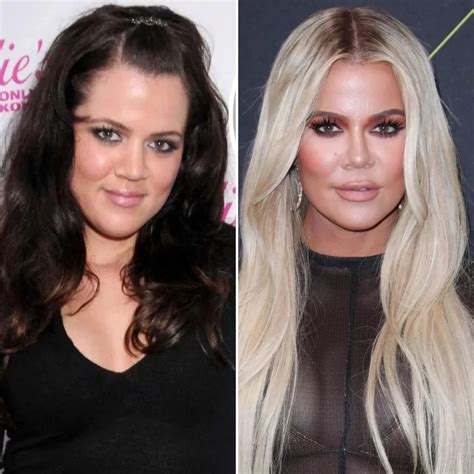
Beyond the realm of digital alteration, Khloé Kardashian has also become more open about the cosmetic procedures she has undergone. In a candid comment last month, she revealed that her changing looks over the years can be largely attributed to an 80-pound weight loss. She further detailed that she has had "one nose job, Botox, fillers, 'collagen baby threads' under her chin." This level of transparency regarding surgical and non-surgical enhancements offers a different dimension to the conversation about her appearance. It suggests a willingness to address the factors contributing to her evolving look, even as the debate over digital editing continues.
Khloé Kardashian Reveals EVERYTHING She's Ever Done to Her Face!
The Mechanics of Authenticity: Quantity Over Quality
Kardashian's current approach to managing her image involves a strategy of quantity over digital quality. She admits, "I'll take 500 photos to get the one I like. That's okay. I'm allowed to do that." This method acknowledges the inherent desire to present a favorable image, but shifts the focus from digital manipulation to the sheer volume of captures. It's a more grounded approach, recognizing that perfection isn't always achieved in a single click, but rather through a process of selection. She also acknowledges that the struggle isn't entirely over, admitting, "There's definitely days that I'm like, ugh, I need a filter. Don't feel good about myself."
The Unrealistic Beauty Standards Debate
The controversy surrounding Khloé Kardashian's use of Photoshop and filters inevitably intersects with a broader societal discussion about unrealistic beauty standards. When images appear significantly altered, it can contribute to a perception that these unattainable ideals are the norm. Critics argue that such practices, especially by influential public figures, can be harmful, particularly to younger audiences who may internalize these edited images as reality. The sentiment that "Khloe is a beautiful woman, but holy s*** they really promote unrealistic beauty standards. That doesn’t look like the same person" highlights this concern. The frustration is compounded when the celebrity in question denies or downplays their use of editing, as some observers feel Kardashian has done in the past.
Behind the Scenes: A Glimpse of the Edit
Evidence that fuels public skepticism often comes from behind-the-scenes footage. In an episode of her Hulu series, viewers were shown the process of a photoshoot for her podcast cover. Cameras captured Kardashian posing, where she looked "quite different" compared to the "suspiciously perfect image" ultimately selected for the cover. This stark contrast, highlighted by side-by-side comparisons posted by fans, led to "gobsmacked reactions" and further fueled accusations of heavy editing. Similarly, her campaign for her last perfume, "XO," was also scrutinized for apparent airbrushing, with viewers noting how different she looked in the commercial compared to promotional images. This disconnect between the raw footage and the final polished product often leaves the audience questioning the extent of the digital enhancements.
The "Cartoon Character" Confession
Kardashian's admission of looking "like a cartoon character" in some of her old edited photos is a powerful reflection of how pervasive and extreme digital alteration can become. She described it as "humiliating that I even thought that was a version of myself" and expressed regret for believing she "needed to look like that." This self-critique underscores the psychological impact of constantly striving for an digitally enhanced ideal. It suggests a journey of self-acceptance, moving away from a manufactured image towards a more authentic representation.
The Future of Authenticity Online
The ongoing conversation about Khloé Kardashian's photo editing practices highlights a broader cultural shift. As social media continues to evolve, so too does the public's demand for authenticity. While filters and editing tools are readily available, there is a growing appreciation for unvarnished reality. Kardashian's public journey, from heavy editing to a more transparent approach, mirrors this societal evolution. However, the persistent skepticism from her audience indicates that the path to perceived authenticity is a long and winding one, often paved with public scrutiny and a constant need to reconcile past practices with present declarations. The debate continues, with fans watching closely to see if her commitment to a less filtered reality will hold.
tags: #khloe #kardashian #photoshopped