Crete, the largest of the Greek islands, beckons with a promise of care-free weeks filled with an abundance of experiences. Its well-deserved reputation as a destination where you can delight in the simple pleasures of life is built upon its stunning beaches, ancient ruins, delectable cuisine, and invigorating hiking trails, alongside much more. Preparing for a trip to this fabulous Greek island is refreshingly straightforward; beyond a few essential advance bookings, your packing is minimal, and any forgotten items can be easily acquired upon arrival. Crete offers a safe environment for travelers, with a local economy that thrives on tourism and Cretans who, like most Greeks, are known for their friendly and welcoming nature. Even in the most remote, family-run eateries nestled high in the hills, you'll find someone who speaks English. A touch of common sense and politeness will serve you well as you immerse yourself in the local customs. To help you meticulously plan your visit to Crete, we present a comprehensive guide covering packing, booking, health and safety, and local etiquette.
Strategic Planning: Booking and Timing Your Cretan Escape
Crete stands as one of the Mediterranean's most cherished destinations, attracting visitors from April through October. This popularity means that the most desirable accommodations across all price ranges are booked well in advance. It is advisable not to delay your reservations with the expectation of falling prices; they are unlikely to decrease. This trend is particularly pronounced for rental cars, where demand consistently outstrips supply due to the sheer size and mountainous terrain of the island, which begs to be explored. If your intention is to drive extensively throughout your stay, it is wise to compare options and secure the best deal by reserving your vehicle in advance. An exception to this rule exists: if you plan on hiring a car for only occasional day trips, you can afford to wait until you are on the island and arrange a day rental with a local provider. Be aware that these "local outfits" might be a friend of your hotel owner with a modest fleet of vehicles.
Understanding the Seasons: Packing for All of Crete's Moods
The idyllic images of sun-drenched beaches and balmy evenings spent in charming cafes are central to the popular perception of Cretan tourism. However, it's crucial to understand that outside the peak summer months, the weather is not consistently warm. Winter in Crete can be characterized by blustery winds, chilly temperatures, and rain. Evenings beyond July and August can become brisk, particularly when northerly winds sweep down across the Aegean Sea. Therefore, packing layers is a sensible approach. While Cretans have a deep appreciation for their outdoor cafes and tavernas, and you may find a few terrace heaters, many hardy locals will still brave the cold to enjoy a night out in months like February, demonstrating their resilience and love for their island's social scene.
Navigating Crete with Practicalities in Mind
The Importance of Cash: A Prudent Approach to Transactions
While Visa and Mastercard are widely accepted for both large and small purchases, and ATMs are readily available throughout Crete, it is prudent to carry some cash. You may encounter situations where machines are offline or vendors operate on a cash-only basis. Having approximately €200 (US$225) in various smaller denominations will ensure you are prepared for these eventualities. Avoid the inconvenience of being the person who presents a €50 (US$57) note for a €5 (US$5.70) fare to an elderly ferry operator, for instance.
Digital Navigation: Offline Maps for Mountainous Adventures
Before embarking on your drives, particularly those venturing into the island's interior, it is highly recommended to download offline maps to your navigation apps. This simple preparatory step can prove to be a lifesaver when you find yourself at a junction of unmarked roads deep within the mountains, with no cell phone signal, and uncertain of the correct direction.
Cultural Etiquette: Respecting Local Traditions
Sacred Spaces: Modesty in Churches and Religious Sites
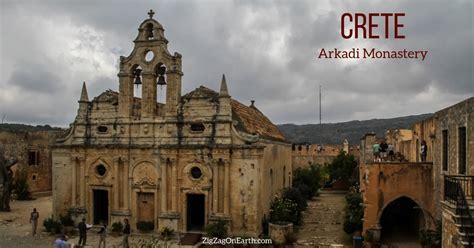
While embracing a relaxed approach to attire is perfectly acceptable on many of Crete's beaches, including a few designated nude areas, a different standard of dress is expected when visiting the island's numerous historic, incense-filled churches. To show respect, it is important to dress modestly. Ensure your shoulders are covered, and opt for shorts or a skirt that extends below the knees. Entering these sacred spaces barefoot is also discouraged.
Beyond the Beach: Maintaining Modesty in Public Spaces
Even though Crete is an island where designated nude areas exist and women often go topless on beaches, locals understand that visitors will shed their beachwear. However, it is advisable to exercise discretion in town centers and along beach promenades. Maintaining a degree of polite modesty in these areas is appreciated. While swimwear might be suitable in some lively beachside villages with numerous bars, in other locations, covering up with a sarong would be more appropriate. When in doubt, observe the prevailing fashion, or lack thereof, around you to gauge the local norms.
Evening Elegance: Stylish Yet Cool for Nighttime Ambiance
Balmy Cretan nights lend themselves to breezy, floaty attire. However, it's worth noting that gaining entry to cooler cafes, top restaurants, or bustling clubs might require a more polished appearance than a simple singlet and short shorts. Longer shorts and dresses are generally acceptable in most evening settings. For men, a crisp designer T-shirt or a collared shirt will suffice for many occasions.
Culinary Delights and Dining Experiences
The Art of the Reservation: Securing Your Table
The most sought-after dining establishments, even those that are not exorbitantly priced, can become exceptionally busy on summer evenings. To avoid disappointment, it is highly recommended to book a table in advance whenever possible. Tavernas and restaurants appreciate the opportunity to plan their evening service, and diners who book ahead are often treated with a little extra consideration. The easiest method for making a reservation is to visit the establishment in person if that is convenient; otherwise, a phone call will suffice.
Embracing the Languid Meal: The Cretan Dining Philosophy
Crete boasts some of the finest cuisine in Mediterranean Europe, and meals are often considered an event, capable of extending over two or more enjoyable hours. Friends and family typically share a variety of dishes, both large and small, served family-style to the entire table. During busy summer evenings, restaurants can be overwhelmed, and courses may arrive from the kitchen with considerable gaps. Attempting to hasten the service is considered poor form and antithetical to the relaxed, enjoyable evening experience that dining in Crete offers. In contrast, lunch can be enjoyed either quickly at a cafe or savored leisurely throughout the afternoon, especially at a seaside taverna, where a shaded table and fresh seafood provide the ideal respite from the scorching midday sun.
Tipping Etiquette: Generosity with Discretion
As an island with a significant tourism industry, Crete exhibits a more developed tipping culture compared to less-touristed parts of Greece. In restaurants and cafes, a tip of 5% is considered a good median amount, while 10% is seen as very generous. Locals often round up their bills to an even number in restaurants (e.g., leaving €35/US$40 for a tab of €33/US$37) or leave small change in cafes. Leaving a few euros for your room cleaner is always appreciated; €1 to €2 (US$1.15 to US$2.30) per day is a customary amount. For assistance with luggage, €1 to €3 (US$1.15 to US$3.50) per bag is appropriate, unless it's a taxi driver, in which case any bag handling fee is usually included in the fare, and a tip of a couple of euros at most is sufficient.
Practical Advice for a Smooth Journey
The Price is Right: Understanding Retail Transactions
Outside of open-air markets, bargaining over prices is not the standard practice in Crete or Greece. You should expect to pay the marked price in shops and galleries.
Hydration is Key: The Safety and Importance of Tap Water
Tap water in Crete is safe to drink. It is essential to remember to refill your water bottles whenever possible, especially during the scorching summer months. Ample hydration is crucial for enjoying the beaches, hiking trails, bus rides, car journeys, and all the other activities Crete has to offer.
Peace of Mind: Understanding Crime and Safety
Crete is a safe place to travel, and you should not harbor excessive worries about the risk of crime. However, as with any destination, exercising common sense is always advisable. Ensure you lock your doors, refrain from leaving valuables in your rental car, and never leave your phone or other personal belongings unattended on a beach or at a cafe.
Battling the Buzz: Preparing for Mosquitoes
Mosquitoes can be a persistent presence at dusk. If you are particular about using anti-bug sprays or balms, it is best to bring them with you, as repellents are surprisingly difficult to find on Crete. Mosquito coils and electric plug-in devices are widely available, but their efficacy can be variable.
Discovering the Treasures of Crete: A Guide to Unforgettable Experiences
Crete's spellbinding shores are utterly alluring, making it a seductive island escape. Its floury beaches and cerulean seas remain a firm favorite for many travelers, offering a magical and historical island retreat. In the coming years, there's always something new to discover on Greece's largest and most dreamy island. The sheer size of Crete ensures endless opportunities for exploration. Just when you believe you've seen it all, a hidden cove, a new gallery, a skilled ceramicist, or a charming farm restaurant awaits your discovery.
While beach hopping is a popular summer pastime, Crete offers so much more. Explore romantic Roman ruins, majestic Minoan palaces, and dramatic hilltop artisan villages that provide a true sense of Crete's ancient roots. For those who simply wish to relax on sultry sands, the candy-colored shores of Elafonissi beach, famously featured in "Captain Corelli's Mandolin," offer a surreal and unforgettable experience.
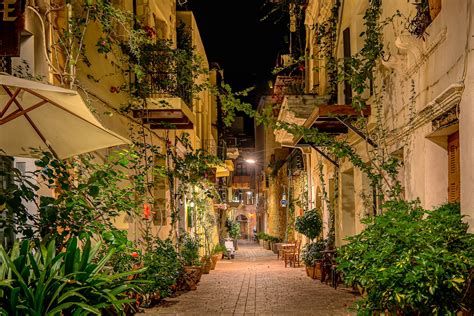
1. Wander Chania's Old Town: A Picturesque Labyrinth
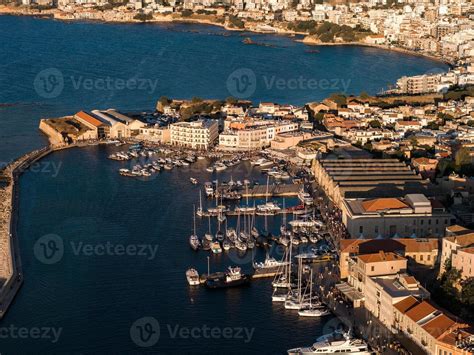
Chania's old town is arguably one of the prettiest in Greece, making it a genuine pleasure to get lost amidst its charms. It presents a delightful blend of Cretan, Ottoman, and Venetian influences, with a maze of beautiful alleyways and secret pathways waiting to be explored. A stroll through the old Venetian port, Chania Port, is a must, perhaps with pre-dinner drinks as the amber sunset warms the soul. Indulge in the freshest seafood and the finest Cretan cuisine at the numerous cozy, authentic Greek tavernas that line the waterfront.
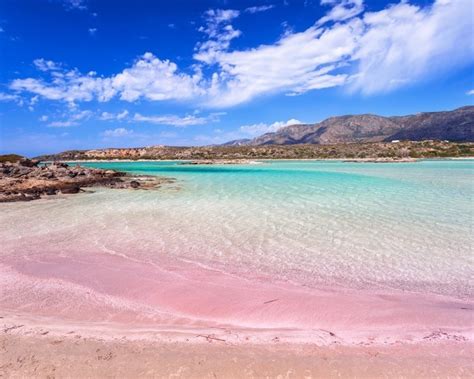
2. Take a Dip at Elafonissi Beach: A Pink Sand Paradise
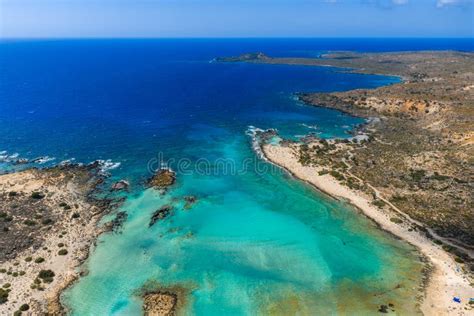
Elafonissi beach lives up to its reputation as one of Crete's most breathtaking beaches. This mystical destination features rose-pink-hued sands meeting the mint-blue sea, creating a surreal yet spectacular sight. Immerse yourself in the warm, transparent waters of this hypnotic place. To avoid the peak summer crowds, consider visiting in spring or autumn when the waves are gentle, and the number of tourists is significantly lower. The perfectly pink swathes of sand are formed from crushed shells, and the iridescent blues are a daily spectacle on Crete, having even graced the screen in "Captain Corelli's Mandolin."
3. Be Artistic at Kritsa: A Village of Traditional Crafts
Kritsa, a traditional Greek hilltop village rimmed by olive trees, offers a glimpse into the intricate art of lace-making, weaving, and embroidery. The women of this region are renowned for their impressive crafts. A visit to this whitewashed, mountainous Cretan village is as memorable as the delicate lace-making itself. This timeless art never fails to fascinate and provides gorgeous gifts to take home.
4. Discover Gortyna's Roman Ruins: Echoes of an Ancient Capital
Gortyna was once the Roman capital of Crete, and its ancient ruins and archaeological sites offer a fascinating insight into Roman life and times. Established as the capital of Roman Crete in 67 BC, the site boasts impressive Roman baths, traditional theaters, and temples. Beyond the sprawling ruins, you can explore the Acropolis, which provides a commanding view of the entire site from its elevated position, and the Christian Basilica of Agios Titos, which is particularly stunning during the golden hour.
5. See the Beaches by Boat: A Nautical Perspective of Crete's Coastline
Embark on a local boat tour to experience Crete's finest beaches from the water. This is an unparalleled way to appreciate the beauty of the sandy shores. Locals organize trips to key points of interest, allowing you to hop on and off at your leisure. Notable destinations include Elafonissi, with its distinctive pink sand, and Hora Sfakion, a petite, sleepy harbor village with a charming beach and bright-blue waters. While Cretan road trips can be exhilarating with their sheer drops from vertiginous mountains, opting for a boat tour offers a more relaxed and scenic way to explore the coastline.
6. Experience a Raki Festival: A Taste of Authentic Cretan Spirit
Forget Ouzo; raki is the most authentic tipple in Crete. Seeking out a raki festival is a must for a truly local experience. The Kazani Zargianaki often hosts raki festivities, providing travelers with the opportunity to partake in the celebration. These events typically commence from mid-October, and sampling the grappa-like beverage is an integral part of the experience.
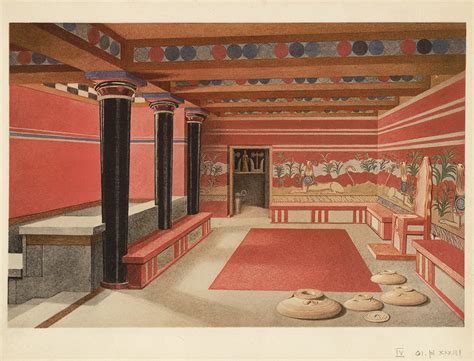
7. Tour the Minoan Palace of Knossos: A Journey into Ancient Civilization
Step into the epicenter of Minoan civilization with a guided tour of the Minoan Palace of Knossos. This ancient palace, often referred to as a labyrinth, dates back to 7,000 BC and comprises approximately 1,500 rooms. The legendary abode of King Minos is intricately linked to the myths of the Minotaur, Daedalus, and Icarus. The Throne Room is a sensational highlight, as is simply wandering the vast palace grounds. Combining a visit to Knossos with a trip to Heraklion's Archaeological Museum is highly recommended, as the museum houses a breathtaking collection of Minoan artifacts.
8. Uncover Spinalonga: Crete's Former Leper Colony
Spinalonga Island, situated in the Gulf of Elounda, holds a significant place in Cretan history and should be an essential part of any travel itinerary. Spinalonga was a place of immense suffering, where Greeks afflicted with leprosy were quarantined under terrible conditions. The island bears a tragic story and history that every traveler should understand. The leper colony only closed its doors in 1957, making its history remarkably recent. Spinalonga is central to gaining a comprehensive understanding of Crete's past.
9. Be a Cretan Food Convert: Savoring Simple, Delicious Cuisine
Cretan cuisine is celebrated for its deliciousness and its clean, simple approach, which is its greatest strength. Crisp vegetables, juicy, plump fruits, and vibrant salads burst with sun-kissed flavors. Creamy Cretan cheeses, including varieties beyond the ubiquitous Greek feta, such as the sensational goat cheese myzithra, are prevalent. Cretan dakos, a Greek-style bruschetta generously topped with tomatoes and olive oil, is a definite highlight. Across the island, there is a strong emphasis on the natural larder, utilizing high-quality, local Cretan produce that allows humble ingredients to shine. With over 30 million olive trees on Crete, the island produces some of the world's highest-grade olive oil, the "liquid gold" that is an iconic staple of the Cretan table.
Discover the timeless secrets of Cretan cuisine with Elissos Travelling Philosophy!
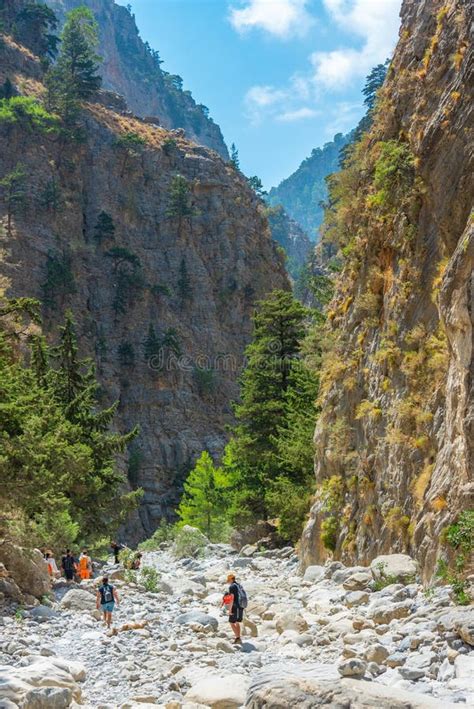
10. Take a Hike at Samaria Gorge: A Dramatic National Park Trek
Winding through Crete's only national park, the breathtaking White Mountains National Park, the Samaria Gorge offers an inspiring and dramatic 16km trek. Starting at Xyloskalo, at an altitude of 1,230m, this hike is renowned for its soul-reviving qualities. It is an energetic undertaking, but the spectacular, far-reaching views are truly memorable. There is also a chance to spot kri-kri, Crete's elusive mountain goats. The route typically takes around six hours, so plan for a full day, ideally when the weather is cooler. Conclude your hike with a well-deserved rest stop at Agia Roumeli, a picturesque village nestled between the wild mountains and the serene sea. Enjoying dinner at a local taverna, overlooking the expansive cyan-blue coastline and the blue horizon, is the perfect reward.
11. Discover Crete's Only Botanical Park: A Testament to Resilience
Crete's incredible, flourishing gardens were not always so abundant. Tragically, in 2003, wildfires devastated the island, and Petros Marinakis lost all his olive groves to the flames. However, he channeled this adversity into reinvention, conceiving the idea for a botanical park. He introduced fresh new flora and designed a beautiful park filled with flowers and herbaceous plants, transforming over 20 hectares of land into Crete's one-and-only Botanical Park. Enjoy a two-hour, flower-filled wander through the park, followed by an authentic Cretan lunch at the park's restaurant, featuring delicious vegetables, herbs, and fruits sourced directly from the grounds. Savor a Cretan salad at an outdoor table, soaking in the sweeping botanical views - a testament to dreams realized.
12. Experience a UNESCO Global Geopark: Sitia's Wild Beauty
The Sitia Geopark is a wild and beautiful region in eastern Crete that has managed to remain relatively untouched by mass tourism, making it all the more appealing. The Geopark encompasses Sitia and its surrounding coastal areas. Here, you can discover Vai's sweeping golden sandy scoop, fringed by the lofty Zakros Mountains (which also boast a Minoan Palace) and a jungle-like palm forest that lends a tropical ambiance. Swim in peacock-blue, transparent waters, and explore secret bays, ancient caves, and unique rock formations. For now, enjoy the refreshing lack of selfie sticks.
13. Tour Crete's Famed Wineries or Vineyards: A Taste of Cretan Viticulture
Crete has a rich winemaking heritage, with vineyards scattered across the island. Notable wineries include Manousakis, Douloufakis, Lyrarakis, and Dourakis, all of which offer excellent wine tours. Each establishment utilizes local grape varieties. Manousakis is an organic, family-run business, Lyrarakis is renowned for its use of rare grapes, while Dourakis, located in a picturesque mountain village, offers a delightful pairing of beautiful art with wine tasting. Consider embarking on one of the Cretan wine trails to explore some of the island's prime vineyards.
14. See Crete's Independent Art Galleries and Ceramics: A Hub of Creativity
Crete is a vibrant hub for art, boasting some of the finest art galleries and local ceramics. In Chania, visit the studio of independent artist Manousos Chalkiadakis, a full-spectrum artist whose forte lies in pottery. From the island's distinctive pink sand beaches to the charming 7 Villages of Apokoronas, this summer guide to Crete offers a comprehensive exploration of its diverse attractions.
For a journey steeped in ancient myths and bathed in warm sunshine, consider visiting Crete during the summer months. As one of Greece's most beautiful islands, Crete offers warm hospitality, breathtaking scenery, and a captivating history. Soak up the summer sun on the pink sand beach of Elafonissi or relax by the tranquil waters of Lake Kournas. Cool off by delving into Greek history at the Heraklion Archaeological Museum or by exploring one of the many UNESCO World Heritage sites. This summer guide to Crete highlights the best sunny-day attractions this storied Greek island has to offer.
Crete's Best Summer Activities at a Glance:
- The Best Beaches in Crete: For idyllic pink sand and turquoise waters, head to Elafonissi, Balos, or Falassarna Beach.
- Top Historical Sites to Visit in Summer: Visit the Palace of Knossos, Diktaion Cave, or the Heraklion Archaeological Museum, where history and myth come alive.
- Must-See Places in Summer: Enjoy a leisurely stroll through the charming, narrow streets of Rethymno Old Town.
Experiencing the Wonders of Crete in Summer:
1. Experience the Winding Passages of the Palace of Knossos
Discover the ancient ruins of Knossos, a perfect summer activity for immersing yourself in Crete's history. Take advantage of the museum’s extended summer hours to avoid crowds by visiting early or late. Legend has it that the labyrinth was built to contain the Minotaur, a creature that was part bull and part man. The Minoans, who constructed the palace, are reputed to be the first advanced civilization in Europe. The palace served as the economic, religious, and political center of Minoan culture.
Address: Knossos 714 09Opening Hours (Summer): Daily, 8:00 AM-7:00 PM
2. Soak up History at Heraklion Museum
Take a break from the summer heat and immerse yourself in 5,500 years of Cretan history at the Heraklion Archaeological Museum. This museum houses one of the most significant collections of artifacts from the Minoan civilization that once inhabited Crete. As one of Greece’s oldest museums, it contains treasures from all periods of Cretan history and prehistory, including snake goddess figurines and exquisite Minoan pottery. A special treat during the summer, the museum often hosts exclusive events and temporary exhibitions, which are announced closer to the season.
3. Explore the 7 Villages of Apokoronas: Authentic Cretan Culture
Located just east of Chania, the 7 Villages of Apokoronas offer an ideal opportunity to discover authentic local Cretan culture. Amidst striking mountain scenery, you can learn about the traditional methods of preparing Greek coffee and the local spirit, raki. Visit a cheese factory and a bakery to sample fine Greek delicacies. The area also features a folklore museum and a hidden church built into the rock. This region is particularly delightful in the summer when the landscape is in full bloom, and fresh produce is at its peak.
4. Island Hop with a Trip to Chrissi Island: Serene Shores and Cedar Forests
One of the most idyllic ways to enjoy Crete in summer is by taking a short trip to Chrissi Island. Located just off the southern coast of Crete, Chrissi Island is over four miles long and approximately one mile wide at its broadest point. You can relax on Golden Beach, wander through aromatic cedar forests, or go snorkeling in the warm waters of nearby Kataprosopo Beach. To reach the island, you will need to take a ferry or join a tour. Boats depart from both Ierapetra and Makry Gialos. It is advisable to bring along some provisions, as food and drink options on the island are limited.
5. Bask on a Pink Sand Beach: The Enchanting Elafonisi
Soaking up the sun on Elafonissi Beach is undoubtedly one of the most delightful summer activities in Crete. This beach and its protected nature reserve are situated on the southwestern side of the island. The journey along the narrow, steep switchback roads can be challenging, but the destination is well worth the effort. The sands exhibit their most vibrant pink hues near the shoreline, and the color's intensity fluctuates with the time of day and the number of visitors. The shallow turquoise waters make visiting Elafonissi Beach an ideal family-friendly activity. You can even walk across to Elafonissi Island during low tide. As a crowd favorite, arriving early is recommended to secure a good spot.
6. Explore Diktaion Cave, Zeus’s Birthplace: Myth and History Combined
Immerse yourself in Greek mythology at Diktaion Andron, a cave widely believed to be the birthplace and hiding place of Zeus, the Greek god of sky and thunder. The cave also holds significant historical importance, as archaeologists have discovered evidence of its use as a place of worship by the Minoans. Visiting the cave during the summer allows you to appreciate the short but scenic hike from the village of Psychro. After your adventure, enjoy a local meal in Psychro and explore the mythology-themed shops for unique souvenirs.
Address: Psichro 720 52Opening Hours: Daily, 8:30 AM-3:00 PM
7. Visit Rethymno, One of the Best-Preserved Old Towns in Crete
Step into 4,500 years of history in Rethymno Old Town, located between Chania and Heraklion. As the third-largest city in Crete, Rethymno retains a charming small-town atmosphere and is one of the island’s best-preserved old towns. Rethymno showcases architectural influences from both the Venetian Renaissance and Ottoman periods. During the day, you can discover artisans and pottery shops lining the narrow streets. The town truly comes alive after dark, especially in the summer, with numerous tavernas, bars, and clubs catering to those seeking Crete's vibrant nightlife.
8. Dip into the Fresh Water at Lake Kournas: Tranquil Lakeside Bliss
One of the best things to do in Crete in summer is to visit Lake Kournas. This lake, Crete's only freshwater lake, is located just a 45-minute drive from Chania and is surrounded by dense green mountains. Here, you can enjoy a refreshing swim and a picnic. During the summer months, the water levels of the lake recede, revealing white sand beaches that offer ample space for relaxation. You can also rent a canoe to glide across the stunning, clear waters.
9. See Firsthand the Island of Spinalonga: A Storied Past
Any summer guide to Crete must include the popular location of Spinalonga, an island that has captured imaginations through both literature and television. Situated off the coast of northeastern Crete in the Gulf of Elounda, the rocky island gained significant popularity after the release of Victoria Hislop’s 2005 novel "The Island" and the subsequent 2010 TV series "To Nisi." It is the second most visited site in Crete, known for its pebble beaches and shallow waters. Access to Spinalonga is available by boat from Plaka, Elounda, and Agios Nikolaos. The beach is an excellent spot to cool down after exploring the island during the summer heat.
Frequently Asked Questions about Crete in Summer:
What is the nicest area to stay in Crete?
Chania is ideal for first-time visitors, offering a charming atmosphere and historical sites. Families might prefer Agia Marina for its family-friendly amenities. For those seeking beach vibes, Platanias offers beautiful sandy shores. Rethymno is perfect for experiencing a mix of activities and attractions. Heraklion, the capital, provides a vibrant city experience with easy access to major landmarks.
How long does it take to walk the Samaria Gorge?
Walking the Samaria Gorge typically takes around 6 to 7 hours. This duration includes time for breaks, allowing you to rest and appreciate the stunning surroundings at various points along the trail.
What is Crete, Greece best known for?
Crete, the largest Greek island, is renowned as the birthplace of the ancient Minoan civilization. Visitors can explore a wealth of archaeological sites and ruins, with the Knossos Palace being a particular highlight. This iconic site features 4,000-year-old frescoes and impressive architectural remains, offering a profound glimpse into the island’s rich history.
Where do celebrities visit in Crete?
Elounda Gulf Villas & Suites is a top choice for celebrities visiting Crete. This luxurious villa complex attracts famous personalities, including sports stars and international singers, with its exclusive amenities and stunning surroundings.
Is Heraklion worth visiting when in Crete?
Heraklion is definitely worth a visit. The city boasts impressive stone city walls and the renowned Heraklion Archaeological Museum, which showcases significant Minoan artifacts, making it one of Greece’s most important museums. With its rich history and cultural offerings, Heraklion can easily provide engaging experiences for a couple of days.
What are the best activities for a week-long stay in Crete?
For a week-long stay in Crete, consider exploring its rich history with guided tours, indulging in local cuisine through culinary experiences, enhancing your visit with a pottery workshop, and enjoying luxurious day excursions. For adventure, embark on off-road journeys. Delve into Cretan culinary traditions with a cooking class, and uncover the island’s hidden gems by cycling. These diverse activities offer a memorable exploration of Crete’s culture and landscapes.