Orange, a color universally recognized as a vibrant blend of red and yellow, holds a special place in the human visual spectrum. Scientifically, orange light falls within a dominant wavelength range of 585 to 620 nanometers. Beyond its visual properties, the presence of orange hues in our environment is often associated with stimulating oxygen flow to the brain, fostering creativity, and activating thought processes. The spectrum of orange is vast, encompassing a multitude of shades from the delicate, spring-like tones of coral to the rich, autumnal depths of vermilion. Among these diverse shades, neon orange stands out for its intense luminosity and energetic presence.
The Digital Representation of Neon Orange: HEX and RGB
Neon orange is a vivid and warm orange shade characterized by its high energy and vibrancy. Positioned between red and orange on the color wheel, this color is reminiscent of citrus fruits and sun-drenched summer days. In the digital realm, where colors are rendered through light, neon orange is precisely defined to ensure consistency across various platforms and devices.
The HEX code for neon orange is #FF5C00. This hexadecimal notation represents the color by specifying the intensity of red, green, and blue light. In this case, "FF" signifies the maximum intensity for red, "5C" indicates a moderate intensity for green, and "00" denotes the absence of blue light.
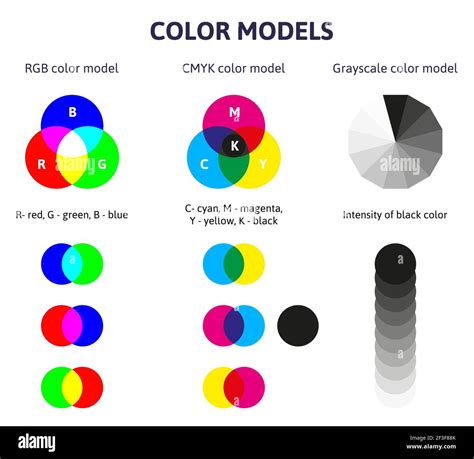
Translating this into the RGB (Red, Green, Blue) color model, neon orange is composed of 100% red, 36.1% green, and 0% blue. This high proportion of red, combined with a significant amount of green and no blue, creates the striking, luminous effect characteristic of neon orange.
Neon Orange in Print: The CMYK Color Model
For print design, where colors are created by mixing inks, the CMYK (Cyan, Magenta, Yellow, Key/Black) color model is employed. Unlike the additive RGB model, CMYK is subtractive, meaning that inks absorb certain wavelengths of light and reflect others. The CMYK values for neon orange are crucial for achieving accurate color reproduction in print materials.
While the provided text directly gives the HEX and RGB for neon orange, it also offers CMYK values for bright orange as 0% cyan, 35% magenta, 100% yellow, and 0% black. It's important to note that "neon orange" and "bright orange" can be closely related but are not always identical. However, based on the provided information and the general understanding of how these colors are constructed, we can infer the CMYK characteristics that would lead to a neon orange. A true neon orange would likely have a high percentage of yellow and a substantial amount of magenta, with minimal or no cyan and black, to achieve its intense, luminous quality. For instance, a CMYK breakdown that leans heavily on yellow and magenta would create a vibrant orange. The exact CMYK for #FF5C00 (Neon Orange) is approximately 0% Cyan, 42% Magenta, 100% Yellow, and 0% Key (Black). This combination of a full saturation of yellow and a significant presence of magenta, with no cyan or black, is what produces the highly visible and energetic hue.
Understanding Color Variations and Their Meanings
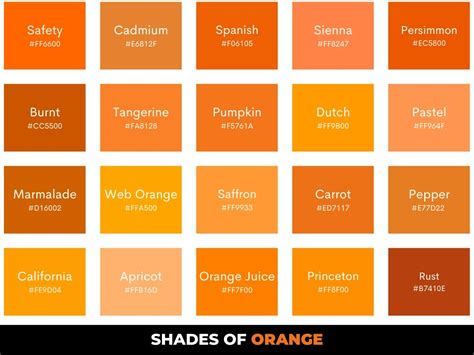
The spectrum of orange is rich and varied, with each shade carrying its own nuances and associations. For example, Bright Orange (#FFA500) is a highly saturated orange that evokes cheerfulness and vibrancy. Yellow-Orange (#FFB343) captures the joy of summertime with its sunny disposition. Red-Orange (#FF4B33) sits closer to red on the color wheel, offering a bolder intensity. Tangerine (#FFA800), named after the citrus fruit, is a bright, almost yellow-orange.
These variations can be further explored through color palettes. Complementary colors, like Royal Blue (#305CDE), create a playful contrast with neon orange. Fuchsia (#FF00FF) offers a fun, tropical pairing, while Olive Green (#636B2F) provides an interesting autumnal palette. Brown (#895129) acts as a neutral, allowing neon orange to pop, and Indigo (#560591) creates a bold, joyful contrast. Other complementary colors include navy blue for a classic contrast and lavender for a light, lively palette. Gray can also be used to emphasize neon orange’s brightness.
However, some color combinations can clash. Neon Yellow (#FFFF00) can be jarring against neon orange's warm tone. Neon Green (#2CFF05) creates a visually unpleasant contrast. Muted colors like Beige (#EDE8D0) can dull neon orange's vibrancy, making the combination flat. Rosewater (#FFD6D1), a soft pink, can be washed out by neon orange. While Black (#000000) and neon orange can create a stark and dramatic contrast, it's famously used for Halloween decorations.
The Psychology and Symbolism of Neon Orange
Neon orange symbolizes enthusiasm and confidence. Its bright yet warm nature carries connotations of fun, playfulness, and creativity. In color psychology, neon orange evokes assertiveness. Its boldness demands attention, suggesting a willingness to take risks.
In UI design, neon orange can be a powerful tool for grabbing attention, making it an excellent choice for Call-to-Action (CTA) buttons, important notifications, or progress bars. Its ability to inject a sense of energy into an interface is undeniable. However, its intensity can be overwhelming in large quantities. Therefore, it's advisable to use neon orange strategically as an accent color on neutral backgrounds like white, black, or gray, rather than as a primary UI color, to avoid creating an overstimulating interface.
It's also important to remember that color meanings can vary across cultures and over time. When designing for a global audience, researching color considerations for specific regions is crucial.
Historical Context and Applications of Neon Orange
The genesis of neon orange is closely tied to the invention of neon lighting. French engineer Georges Claude, who invented neon lighting in 1910, utilized neon gas, which naturally produced a distinct reddish-orange glow. The popularity of neon lights surged with the growth of urban cities.
History of Neon Lighting | Ancestral Findings Podcast
Today, neon orange continues to be used in practical applications, such as the reflective vests worn by construction and safety workers, highlighting its high visibility. The color gained significant prominence in fashion, design, and advertising during the 1980s. Its association with energy, vibrancy, and modernity resonated with a culture that embraced bold aesthetics.
Beyond its digital and print applications, the broader family of orange shades finds its way into numerous aspects of our lives. International Orange, for instance, is a deep, medium orange hue used by the aerospace industry to differentiate certain objects from their backgrounds. Princeton Orange is one of the official colors of Princeton University. Orioles Orange refers to a medium orange hue with red tones, reminiscent of the color of an oriole’s belly. Alloy Orange, named by Crayola, is a shade of brownish orange with metallic tones.
Other shades tell stories through their names and origins. Pumpkin is a direct reference to the iconic gourd. Carrot Orange is a rich, warm, and saturated shade resembling carrot juice. Fulvous is a reddish-yellow orange with brown hues, somewhat similar to tawny. Flame embodies a bright, warm, and vibrant orange. Chinese Orange offers medium shade with light coral tones, while Jasper Orange is a dusty orange, a mix of tan and pale orange. Royal Orange is a light, peachy hue.
Coral and Dark Coral can be placed in either the pink or orange family, showcasing the fluidity of color classification. Cadmium Orange is a rich, earthy tone named after the chemical component. Dark Pastel Red can be classified as both red and orange. The University of Tennessee’s logo features a specific shade of orange. Orange Peel is a more golden hue than its name might suggest. Vivid Tangelo is a brighter, more vibrant version of tangelo orange. Bittersweet is a reddish orange rich in cyan and magenta tones. Persian Orange is a light, tannish orange, similar to pale terracotta.
The inspiration for orange shades often comes from nature and everyday objects. The color of an Apricot is a well-known example. Bronze, an alloy, has a distinctive orange-brown color. The term "buff" in Victorian England referred to a specific shade of orange-brown. Bumblebee Orange captures the less common but present orange hues of these insects. Burnt Orange is a popular choice for clothing, branding, and interior decorating. Butterscotch, a sweet confection, lends its name to a rich orange hue.
Even food items inspire names: Chocolate Orange evokes the popular treat, while Cider suggests an autumnal mood. Copper has a brilliant orange-gold glow when fresh. Desert Sand Orange reflects the color of sun-bleached sand. Dragon Fire Orange sounds like it belongs in a fantasy setting. Dull Orange, despite its name, is still bright. Ginger Orange is a strong burst of color reminiscent of gingerbread houses. The Golden Gate Bridge’s distinctive reddish-orange hue stands out against the San Francisco skyline. Goldenrod flowers and Goldfish Orange share a sunny disposition. Honey Orange, similar to amber but with more yellow, is named after the sweet substance. Hunyadi Orange is found on the Hunyadi coat of arms. Koi fish and Goldfish share similar orange shades.
Simple descriptive names are also common: Light Orange is straightforward. Light Copper Orange is a variation of copper. Pumpkin Orange is brighter than Halloween Orange. Dark Topaz Orange refers to a gemstone hue. Mahogany wood inspires a deep, rich color. Marigolds are small, golden-orange flowers. Melon Orange provides a summery feel. Mimosa can refer to either the flower or the drink.
Ochre Orange is similar to burnt orange but with darker notes. Orange Spice Orange and Spice Orange are distinct variations. Outrageous Orange promises a bold hue. Pantone Orange is a standard, typical orange. Peach Orange, a famous variation of apricot, has bright, sunny undertones. Pepper Orange is named after the orange bell pepper.
Other animal-inspired names include Fox Orange, reflecting the sly creature, and Tiger Orange, a bright, energetic shade. Tiger’s Eye Orange captures the blend found in the eyes of some big cats. Topaz Orange has a bit more fire than its darker counterpart. Tree Sap Orange relates to the color of sap when first released. Web Orange is named after the World Wide Web. Wheat Orange is an incredibly pale shade capturing the essence of grain fields. Xanthous Orange is the color of a Golden Retriever’s coat, as per the American Kennel Club standard. Yam color is a vibrant red-orange due to carotene.
More specific and modern color definitions emerge with names like Mecca Orange, which has a large amount of red compared to green and blue. Lava Orange is an especially bright, almost electric orange with depth. Dutch Orange, also known as Holland Orange or Netherlands Orange, is a versatile, medium orange, high in yellow, making it ideal for advertising and logos. Amber has a golden quality with an orange glow, distinct from neon's intensity. Aesthetic Orange is a pleasant, peachy shade for projects needing a quieter, paler color.
Hot Orange is described as potentially the most electric of all orange shades, containing both green and red for depth and brightness. Glossy Orange is a balanced color that prints well on glossy paper, with a yellow CMYK value more than twice its magenta. Pure Orange serves as a standard for other orange shades, with its yellow value exactly twice its magenta. Rustic Orange offers a weathered look, close to stained wood, with a higher K value and less yellow.
Baby Orange is a soft, delicate, and noticeably paler shade. Irish Orange is the official orange used on the Irish flag, known for its vibrant nature. Marmalade is slightly deeper than Irish Orange, with more magenta, yellow, and black. Vintage Orange is a revival color, close to neutral, suitable for home decor. Rust is a deep orange, close to red, mirroring the color of rusted metal. Saffron inspires colors like India Saffron, the exact color of orange in the Indian flag, distinct from Deep Saffron. Atomic Tangerine, named by Crayola, is a gentle, rosy orange close to pink. Red Orange is redder than burnt orange, with a rust-like quality.