The world of digital art and design is often synonymous with one name: Photoshop. But for those who encounter this powerful software in the context of a crossword puzzle, the question arises: "Photoshop company." This seemingly simple query unlocks a deeper understanding of the entity that has shaped the landscape of image manipulation and creative expression for decades. The answer, consistently found across various crossword databases and puzzle contexts, is a single, five-letter word that resonates with innovation and industry dominance: ADOBE.
The Genesis of a Creative Powerhouse
Adobe Systems Incorporated, now known simply as Adobe Inc., is the architect of Photoshop and a vast suite of other creative and document management software. Founded in December 1982 by brothers John Warnock and Charles Geschke, the company's origins are rooted in a vision to revolutionize how people interact with and create digital content. Their initial focus was on developing technology for the creation and publication of documents, a foundational step that would eventually lead to the graphical powerhouse we know today. The company's name, "Adobe," is derived from "Adobe Creek," a stream that ran behind Warnock's house in Los Altos, California, adding a touch of local origin to a globally recognized brand.
The Photoshop Phenomenon: A Revolution in Image Editing
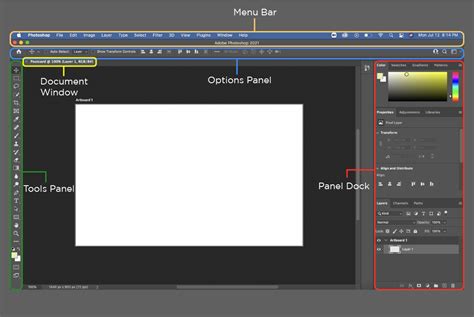
When Adobe acquired the rights to a program developed by Thomas and John Knoll in 1988, it marked a pivotal moment. Initially called "Display," the software was renamed "Photoshop" and released in 1990. This marked the beginning of a revolution in digital imaging. Photoshop offered unprecedented control over raster image manipulation, transforming professional photography, graphic design, and digital art. Its intuitive interface, coupled with powerful features, allowed for everything from simple photo retouching to complex digital compositing and illustration. The software's ability to layer elements, adjust colors with granular precision, and apply a myriad of filters and effects made it an indispensable tool for creatives worldwide.
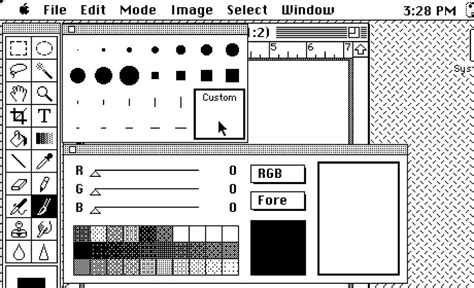
The continuous evolution of Photoshop, with its regular updates and introduction of new features, has cemented its position as the industry standard. From its early days on Macintosh systems to its current cross-platform availability and integration with cloud services, Adobe has consistently adapted to the changing technological landscape and the evolving needs of its users. The company's commitment to innovation is evident in features like Content-Aware Fill, neural filters powered by artificial intelligence, and seamless integration with other Adobe Creative Cloud applications.
Beyond Photoshop: A Creative Ecosystem
While Photoshop is undoubtedly Adobe's flagship product, the company's influence extends far beyond this single application. Adobe has cultivated a comprehensive ecosystem of software designed to cater to every facet of the creative process. This includes:
- Illustrator: The industry-standard vector graphics editor, essential for logos, icons, and scalable artwork.
- InDesign: The go-to application for page layout and desktop publishing, used for magazines, books, and interactive documents.
- Premiere Pro: A leading non-linear video editing software, empowering filmmakers and content creators.
- After Effects: A powerful tool for motion graphics and visual effects, bringing dynamic elements to video projects.
- Lightroom: A photography workflow solution that helps photographers organize, edit, and share their images.
- Acrobat: The ubiquitous software for creating, editing, and managing Portable Document Format (PDF) files, revolutionizing document sharing and preservation.
This interconnected suite of products, often referred to as the Adobe Creative Cloud, allows for seamless collaboration and workflow integration. Users can move projects between applications, leveraging the unique strengths of each tool to achieve sophisticated results. This integrated approach is a significant factor in Adobe's enduring success and its deep entrenchment in creative industries.
A Visual History of Adobe Photoshop
The Business of Creativity: Adobe's Market Dominance
Adobe's business model has also evolved significantly. Initially selling software through perpetual licenses, the company transitioned to a subscription-based model with the launch of the Creative Cloud. This shift, while met with initial resistance, has proven to be a strategic masterstroke. It provides Adobe with a predictable revenue stream, allows for more frequent updates and feature rollouts, and offers users greater flexibility in accessing the tools they need.
The company's market dominance is not without its challenges, including competition from other software providers and the rise of open-source alternatives. However, Adobe's brand recognition, the depth and breadth of its product offerings, and its continuous investment in research and development, particularly in areas like artificial intelligence and machine learning, have allowed it to maintain a formidable position. The company's impact on digital media, from advertising and marketing to entertainment and education, is profound and far-reaching.
The Crossword Connection: A Symbol of Recognition
The frequent appearance of "ADOBE" as the answer to the "Photoshop company" clue in crosswords is a testament to its cultural significance. It highlights how a company's product can become so intertwined with its identity that the brand name itself becomes a widely recognized identifier. For puzzle enthusiasts, this clue serves as a gateway to acknowledging the technological and creative force that has empowered millions to bring their visions to life in the digital realm. The simple five-letter word represents a complex history of innovation, a vast array of powerful tools, and an enduring legacy in the world of digital creation.