The landscape of visual content creation has undergone a seismic shift, driven by the proliferation of visual-first digital platforms and the rapid advancements in AI-enhanced editing tools. In this dynamic environment, the role of a Photo Editor has transformed from that of a purely technical specialist to a crucial visual storyteller, instrumental in shaping brand narratives across an ever-expanding array of channels. As we navigate the complexities of modern media, understanding the multifaceted requirements and responsibilities of a Photo Editor is paramount for organizations seeking to harness the power of compelling imagery.
The Modern Photo Editor: A Visual Strategist
The photo editor of today is far more than someone who simply retouches images. They are strategic thinkers, adept at understanding and translating brand identity into impactful visual content. The integration of sophisticated AI tools, such as generative fill and automated background removal, has fundamentally reshaped workflows. These technologies have shifted the focus from laborious manual manipulation to a more strategic approach to visual content creation, allowing editors to concentrate on conceptualization and storytelling.

Core Responsibilities and Duties
The duties of a Photo Editor can differ significantly depending on the industry and the organization's specific needs. However, a common thread runs through the role: the meticulous coordination of photographic assets to ensure they align with editorial objectives and brand aesthetics. This involves a broad spectrum of tasks, from conceptualizing visual needs to the final delivery of polished images.
Photo Editors are often in charge of coordinating photo assignments. This encompasses selecting, editing, and artfully positioning photographs for both print publications and online platforms. They meet with editors and managers to discuss the types of pictures required for a particular project and may even assign photo tasks to staff photographers. The work performed by a Photo Editor is essential for the successful publishing and distribution of visual content.
Their day-to-day activities can include determining photo needs, hiring photographers, allocating and coordinating assignments, and approving final images. Beyond selection, they edit, format, manipulate, and prepare images for digital upload, use, launch, and sharing. A photographer might submit numerous images of a similar subject, and the Photo Editor’s critical task is to select the best image, or images, most appropriate for publication.
Furthermore, Photo Editors often negotiate fees and rights agreements for image usage. They arrange travel for shoots, book studio time, and secure necessary permissions. This business acumen is as vital as their creative eye, ensuring projects stay within budget and legal parameters. They must understand the photographers’ skill levels and abilities relative to the subject matter, making editorial decisions that align with project goals. Building long-term relationships with photographers is a strategic advantage, saving time and providing a clearer understanding of project costs.
Essential Skills and Qualifications
To excel as a Photo Editor, a blend of technical proficiency, creative acumen, and strong interpersonal skills is indispensable. The role demands an individual who can not only execute technically but also contribute to the overarching visual narrative.
Technical Prowess and Software Proficiency
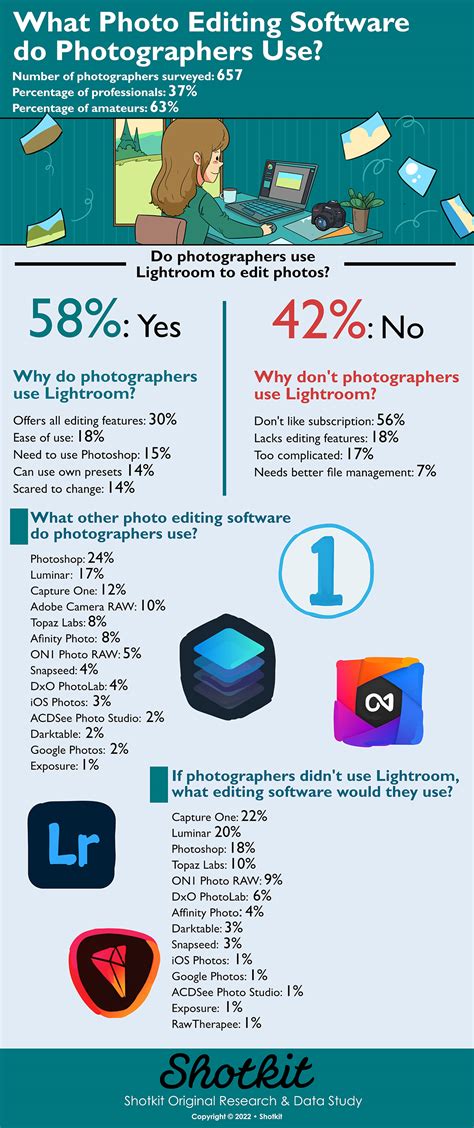
A strong command of industry-standard editing software is non-negotiable. This includes expertise in Adobe Photoshop, the cornerstone of image manipulation. Proficiency extends to other Adobe Creative Suite applications such as Lightroom for image organization and raw processing, and InDesign for layout and design. Bridge is also commonly used for managing large photo libraries. Beyond these core tools, Photo Editors may leverage a variety of mobile applications for quick edits and enhancements, including TouchRetouch for object removal, Enlight for creative effects, VSCO for filters, and Afterlight 2 for advanced adjustments.
Creative Vision and Editorial Judgment
Beyond technical skills, a Photo Editor must possess a keen eye for detail, creativity, and a strong sense of visual discernment. They need to understand editorial style and be able to align their creative ideas with those of the editorial team and the broader brand identity. This involves an understanding of visual design principles, including color theory and typography. The ability to make critical editorial decisions through the images they select is paramount, ensuring that each visual component serves a purpose and enhances the overall message.
Collaboration and Communication
The Photo Editor operates within a collaborative ecosystem, working closely with writers, editors, designers, and technical teams. Strong communication and interpersonal skills are essential for nurturing rewarding collaborative relationships with clients, team members, and external service providers. They must be able to articulate their vision, provide constructive feedback, and effectively manage expectations.
Business Acumen and Project Management
A Photo Editor often needs a strong understanding of the business side of photography. This includes negotiating rates with photographers, managing budgets, and understanding copyright and fair use standards. Excellent project management and organizational skills are crucial for juggling multiple projects simultaneously, prioritizing tasks, and meeting tight deadlines. They must be flexible, open-minded, and capable of pivoting to alternative approaches when necessary.
Navigating the Hiring Process
For organizations seeking to hire a Photo Editor, a well-defined job description and a strategic hiring approach are key. The description should clearly outline the role's responsibilities, required skills, and the organization's culture.
Crafting an Effective Job Description
An effective job description begins with a concise paragraph that summarizes the opportunity. This helps to focus on the most critical qualifications for the ideal candidate. For instance, a summary might state: "Seeking a design professional with photographic know-how to lead a team of top-performing staff and freelance photographers. The right candidate will have a strong visual sense, an eye for detail, and a vision that aligns with our brand image and organizational mission."
The "About Our Organization" section is crucial for attracting candidates who are a good fit for the company culture. This section should highlight what makes the workplace welcoming, exciting, and rewarding. Whether the role involves selecting images for a beautifully designed publication, creating enticing pictures for brand promotion, or developing instructive materials, this context is vital. Describing the work environment-whether it's a small business fostering autonomy or a large institution with advancement opportunities-helps potential applicants envision themselves within the organization.
The "Photo Editor Responsibilities" section should detail the specific job functions. These may include selecting, curating, and editing images; conducting online image searches and licensing; creating content collaboratively; nurturing relationships with clients and service providers; negotiating fees; hiring and supervising photographers and creative professionals; building and organizing image libraries; scouting locations; managing photo shoots; optimizing images for web and digital platforms; managing photo staff and studio operations; creating image guidelines; reviewing photo assignment requests; and staying current with technological and legal advancements.
The "Work Hours & Benefits" section should clearly state the required hours, salary range, perks, and benefits. Highlighting popular benefits, such as access to state-of-the-art equipment, opportunities for travel, or professional development, can attract top talent. The possibility of remote work should also be considered, as it can broaden the talent pool and potentially reduce costs.
The "Photo Editor Skills and Qualifications" section is critical. It's advisable to divide this into "highly desirable" and "essential" categories to avoid deterring qualified candidates who may not meet every single listed criterion. Essential skills might include digital research, strong communication, creativity, attention to detail, and proficiency in Adobe Creative Suite. Highly desirable skills could encompass web design, UI/UX experience, publication design background, video editing experience, and familiarity with content management systems.
Finally, the "Call to Action" should encourage qualified candidates to apply by submitting a resume, sample work, or a digital portfolio.
Interviewing and Sourcing
When looking to hire a Photo Editor, it's beneficial to have a comprehensive set of interview questions ready. These questions can probe a candidate's experience, problem-solving abilities, and creative approach. Examples include asking about a time they disagreed with a photographer's vision or an instance where they missed a deadline, to gauge their conflict resolution and time management skills.
I Sucked at Editing Photos, Until I Learned This.
To reach a broad pool of candidates, organizations can leverage job posting platforms that connect them with millions of potential applicants, often providing candidates within hours. For a more targeted approach, specialized creative networks and professional organizations can be valuable resources for sourcing talent.
The Future of Photo Editing
The role of the Photo Editor is set to continue its evolution. With the increasing sophistication of AI, the emphasis will likely shift further towards strategic oversight, conceptualization, and the ethical application of technology. Photo Editors will need to be adaptable, continuously learning and integrating new tools and techniques into their workflow. The ability to tell compelling visual stories, maintain brand integrity, and navigate the complex ethical considerations of image manipulation will remain at the forefront of this vital creative profession. The demand for skilled Photo Editors who can blend technical expertise with a strategic, narrative-driven approach is only expected to grow as visual content continues to dominate the digital landscape.
Photoshop Editing & Graphic Designer: A Related Discipline
While distinct from a pure Photo Editor role, the Photoshop Editing & Graphic Designer is a closely related discipline that often overlaps. This professional creates visually appealing designs and manipulates images using Adobe Photoshop. Their tasks extend to photo retouching, designing marketing materials, and developing branding elements. They utilize creative skills to produce graphics suitable for both digital and print media, adhering strictly to project guidelines and client requirements.
To become a successful Photoshop Editing & Graphic Designer, a strong foundation in graphic design principles is essential, often acquired through formal education or dedicated courses. Mastery of Adobe Photoshop is crucial, typically developed through extensive practice and online tutorials. Building a robust portfolio that showcases a diverse range of projects, from intricate photo manipulations to comprehensive brand designs, is indispensable for securing employment.
The average salary for a Photoshop Editing & Graphic Designer is influenced by several factors, including geographic location, years of experience, and the industry in which they work. Generally, these designers can expect a competitive income in creative sectors, with the potential for salary increases correlating with enhanced skill levels, the completion of advanced projects, and accumulated years of professional experience.
Qualifications for this role typically include a degree or certification in graphic design or a related field. Beyond Photoshop proficiency, knowledge of other design software like Adobe Illustrator or InDesign is often required. Strong creative abilities, an exceptional eye for detail, and a compelling portfolio significantly enhance job prospects. Key skills encompass not only software expertise but also a solid grasp of color theory and typography, coupled with a high degree of creativity.
The Photo Editor in Diverse Settings
The specific responsibilities of a Photo Editor can vary greatly depending on the context. In a fast-paced creative agency, they might be tasked with serving multiple high-profile clients across fashion, lifestyle, and e-commerce sectors. This requires adaptability and the ability to quickly understand and execute diverse visual styles.
Conversely, a Photo Editor joining an in-house creative team might focus on guarding and evolving a single brand's visual identity across all channels. This role offers the opportunity for a deep understanding of a particular aesthetic, working on everything from product photography to large-scale lifestyle campaigns.
For companies with a growing client base, building a network of talented freelance Photo Editors offers a flexible solution. This model allows for diverse project engagement, from fashion editorials to corporate headshots, while maintaining the independence of the editors. This approach is particularly effective for managing fluctuating workloads and accessing specialized skills as needed.
The core function remains consistent: to ensure that visual content is not only technically sound but also strategically aligned with the brand's message and the intended audience. Whether working for a large publication, a small startup, or as a freelancer, the Photo Editor is a critical gatekeeper and creator of visual narratives.