When you purchase through affiliate links on our site, we may earn a commission. Here’s how it works. Photoshop, the industry-standard imaging application for over 30 years, has revolutionized how we perceive and create visual content. For retouchers, designers, and creatives, it's an undeniably powerful tool for enhancing images, guaranteeing realistic edits and manipulations. However, as with any sophisticated technology, its misuse or a lapse in attention can lead to spectacular, and often hilarious, blunders. This collection delves into the world of "Photoshop fails," exploring the funny, the bizarre, and the downright inexplicable errors that arise when the digital brush strokes go awry.

The subreddit r/badphotoshop serves as a testament to this phenomenon, showcasing a vast array of botched images that range from subtly odd to outrageously distorted. These fails aren't confined to amateur enthusiasts; they can occur with new editors learning the ropes as well as seasoned professionals, often under the pressure of tight deadlines or unclear directions. The reasons behind these visual mishaps are as varied as the errors themselves: inattention to detail, misinterpretation of instructions, an over-reliance on automation, or simply a moment where perspective and physics take a vacation.
The Anatomy of an Error: Common Photoshop Mishaps
Photoshop fails often manifest in predictable, yet comically executed, ways. A frequent culprit is the manipulation of human anatomy, leading to images with too many limbs, impossibly bent legs, or incidentally deleted body parts. The provided examples highlight this with striking clarity. We see models with alien-like clawed hands, individuals seemingly possessing a third or even fourth arm, and disembodied limbs appearing where they shouldn't. One particularly memorable instance involves a model whose leg appears to have been amputated to achieve a slimmer silhouette, a grim echo of the Cinderella fairy tale, but with a digital twist.
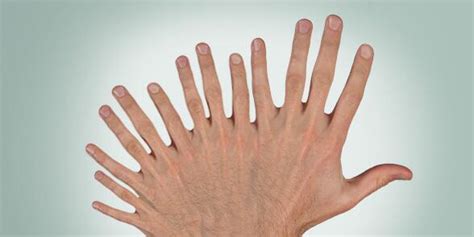
Another common pitfall involves the distortion of proportions. This can range from subtle inconsistencies, like a bent curb that defies gravity, to more drastic alterations, such as a celebrity's torso being cut in half to appear slimmer. The digital realm, while offering immense creative freedom, also presents opportunities for these visual absurdities. The reflection of an object might not match the object itself, shadows might forget their owners, or entire body parts might vanish into thin air, leaving viewers scratching their heads.
The issue of missing body parts is particularly prevalent. Whether it's a mysteriously disappeared hand during a photoshoot with hyperactive children or an arm that looks unnatural on a movie poster, these omissions create a sense of unease and amusement. For instance, John Travolta has appeared in posters with oddly rendered limbs, and Angelina Jolie has been subjected to poor image editing that questions the integrity of her anatomy. Similarly, Hayden Christensen in one poster evokes a "pretentious vampire" due to the unnatural arrangement of limbs.
When Advertising Goes Wrong: The Commercial Blunders
The corporate world is not immune to these digital faux pas. Advertisements, in particular, offer a rich hunting ground for Photoshop fails. When companies hire pro-level photographers and retouchers, the expectation is that their subjects will look their best, often enhanced beyond reality. However, sometimes the editing process backfires spectacularly. We've seen instances where a product is edited onto a stock image with such poor execution that it's immediately obvious.

One notable example involves a fashion ad where a bag was so admired that designers seemingly "cut out" the bag itself, creating a bizarre visual. It raises the question of whether the handlers should have been edited out as well. Another advertising blunder occurs with a Turkish Airlines ad, where the motto "widen their world" was illustrated by a plane seemingly boarding without a front wheel, implying a perilous journey.
Product photography also suffers from these errors. A designer might be unsure about the specifications of an SD card, leading to a confusing visual representation. Or, in a bid to showcase a product's features, the editing might go too far, such as implying a model would be better off without a belly button, as seen in one ad. The intention might be to highlight a feature or create a striking image, but the execution results in something far from desirable. Even a simple ad for a seat bath tub can become a point of confusion with odd visual elements.
Celebrity and Media: The Iconic Fails
The realm of celebrity and media often provides some of the most widely shared and discussed Photoshop fails. Magazine covers, movie posters, and promotional materials are prime candidates for digital manipulation, and when it goes wrong, the backlash can be significant. Kim Kardashian, a trendsetter in many aspects, has also been at the center of iconic Photoshop fails, with her altered images sometimes appearing slightly disturbing.
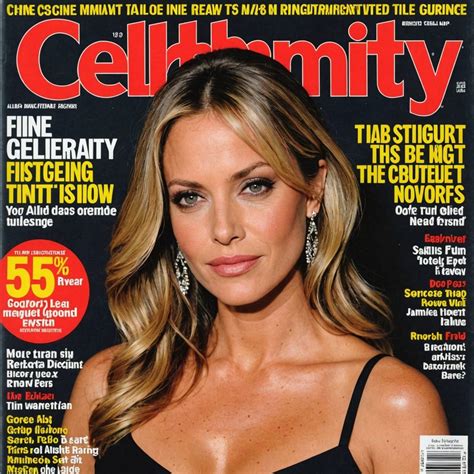
Movie posters, in particular, have a history of questionable edits. Kirsten Dunst's arm on a "Spiderman 2" poster, for example, hardly looked natural. Similarly, John Travolta's appearance in the poster for "I Am Wrath" has been a subject of scrutiny, with one instance showing him with a peculiar neck. The "Aquaman" promotion poster also raised eyebrows when users noticed photos of sharks from Getty Images in the background, a clear sign of rushed or poorly integrated stock imagery.
These fails aren't just about minor aesthetic flaws; they can fundamentally alter the message or impact of the visual. What is intended to be alluring or powerful can become unintentionally comical or even unsettling. The key, as experts suggest, is to aim the joke at the situation, not the person, and to blur faces where needed when sharing these humorous examples.
The Psychology and Impact of Photoshop Fails
The prevalence of Photoshop and other editing software has fundamentally changed how we consume images. What was once a world where we could largely trust the photographs we saw has evolved into an era where almost every image is subject to some form of digital manipulation. This has led to a phenomenon sometimes referred to as "The Kardashian Effect," where unrealistic beauty standards are set and perpetuated online, creating pressure for individuals to alter their own appearances.
How Photo Editing and Filters Can Harm Your Body Image | Patrick Byrne, MD, MBA
The desire to achieve these often unattainable standards drives many to edit their photos before posting them online. Studies indicate that a significant percentage of people, particularly younger demographics, regularly alter their faces, bodies, and features to enhance their appearance. This constant exposure to seemingly perfect, airbrushed images can contribute to body dysmorphia and eating disorders, especially among children and teenagers who are still developing their sense of self.
However, the hilarity of Photoshop fails also offers a counterpoint. They serve as a reminder that perfection is often an illusion, and that even the most sophisticated tools can falter. These blunders can be a masterclass in attention to detail, teaching viewers to scrutinize images and recognize the signs of manipulation. They highlight the importance of critical thinking in an increasingly visual and digitally altered world.
Why Do These Fails Happen?
The reasons behind Photoshop fails are multifaceted. In professional settings, tight deadlines are a major contributor. When time is of the essence, shortcuts are taken, and details are overlooked. This is particularly true in the retail and advertising industries, where holiday promo seasons can breed chaos, leading to rushed bundles and last-minute swaps that result in floating ornaments or hands with terrifying grip strength.
Another significant factor is the increasing reliance on automation and AI. While these tools can expedite certain editing processes, they often lack the nuanced understanding and attention to detail that a human editor possesses. For instance, using AI to edit images for brand promotion can lead to errors like forgetting hands in a ghost mannequin shot or misinterpreting instructions for body slimming, resulting in unnatural proportions.

Poor direction or unclear scope of work can also lead to disastrous outcomes. If the brief is vague, the editor might interpret it in a way that deviates significantly from the intended result. This, coupled with a lack of post-edit reviews, allows errors to slip through the cracks. As one expert notes, "When you spend a long time working on a project, you can’t always catch every single detail. It happens to all of us, so don’t be afraid to ask."
The Business Ramifications of Botched Edits
For businesses, Photoshop fails are not just a source of amusement; they can be detrimental to their brand image and bottom line. Misrepresenting products or brand aesthetics through poor editing can erode consumer trust. In the age of social media, a significant fail can go viral, turning a brand into a meme and subjecting all future content to intense scrutiny.
The focus on an error can detract from the product itself, leading customers to perceive the brand as unprofessional or even deceptive. This negative impression can be difficult to overcome. Therefore, ensuring proper processes and quality control, such as having humans complete and review edits, is paramount. Working with trusted editors who understand a brand's vision is crucial for maintaining consistently high-quality product photography that truly represents the brand.
Intentional Fails: When Blunders Become Art
It is important to note that not all perceived Photoshop fails are accidental. In some instances, particularly in creative advertising or for comedic effect, "fails" can be intentionally crafted. Brands or individuals might deliberately create exaggerated or surreal images to grab attention or to engage with their audience in a playful manner. For example, a brand might intentionally create a humorous, on-brand Photoshop fail to spark conversation.
However, as experts caution, these intentional blunders are most effective when they are clearly recognizable as deliberate and align with the brand's identity. When done poorly or without clear intent, even an "intentional" fail can be misinterpreted and damage a brand's reputation. For most businesses, the goal remains to avoid unintentional errors and to present a polished, professional image.
Ultimately, the world of Photoshop fails serves as a fascinating intersection of technology, creativity, and human error. It reminds us to approach visual media with a critical eye, to appreciate the artistry of skillful editing, and to find humor in the occasional digital glitch that reminds us that even in the pursuit of perfection, a little imperfection can be remarkably entertaining.