The act of altering a photograph is so commonplace today that the term "photoshop" has become synonymous with digital image manipulation. While the software itself has been available for decades, it's only in the last ten years that "photoshop" has solidified its place in our lexicon as a verb, reflecting a broader cultural shift in how we perceive and interact with visual information. This transformation from a proper noun, the name of a specific software, to a generic verb underscores the profound impact digital tools have had on communication and reality itself.
From Professional Tool to Internet Jargon
The journey of "photoshop" into everyday language began long before its widespread acceptance as a verb. Launched on February 19th, 1990, Adobe Photoshop quickly established itself as the industry standard for graphic designers and professionals. Its powerful capabilities, however, came with a significant barrier to entry: a hefty price tag, originally $895, and a steep learning curve. Despite these hurdles, the software's dominance in professional circles meant its name became inextricably linked with high-quality image editing.
The early adoption of "photoshop" as informal slang can be traced back to internet communities. Tech blogs and publications were among the first to embrace the term colloquially. As early as October 1999, Wired magazine noted the use of "Photoshopped set designs." A significant milestone in its colloquial journey occurred in November 2001 when Something Awful reportedly used "Photoshopping" to describe an edit of its founder's face. Over the following years, other online platforms like Boing Boing and Engadget also referenced "Photoshopping" for various humorous or illustrative purposes, demonstrating the term's burgeoning presence in online discourse.
The Rise of Image Manipulation Concerns
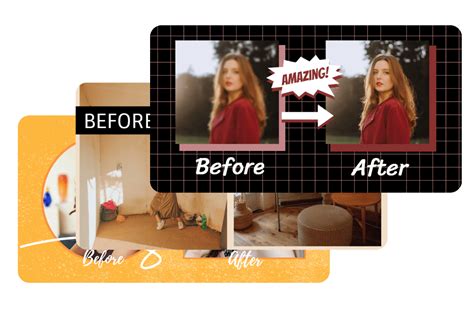
The widespread adoption of "photoshop" as a verb closely mirrors growing societal concerns about image manipulation. For a long time, the term was more cautiously used, with phrases like "edit an image with Photoshop" being more common. This changed as news cycles began to be regularly filled with stories about doctored propaganda and heavily retouched celebrity images.
Even major publications initially struggled with the colloquial use of the term. In 2006, The New York Times described a model's body as "apparently Adobe Photoshopped," a phrasing that still acknowledged the software's brand. The Wall Street Journal took a more metaphorical approach, using "Photoshopped it in his mind" to describe someone altering their perception. These instances highlight the gradual, sometimes awkward, integration of the term into mainstream language.
Piracy and Accessibility: Unintended Catalysts
While not Adobe's intention, the increasing accessibility of Photoshop, largely due to software piracy, played a role in its ubiquitous use. The early 2000s saw a surge in peer-to-peer file-sharing services, and the subsequent rise of broadband internet made it easier to distribute pirated software. Although precise figures are hard to come by, anecdotal evidence and reports from software industry groups suggested that a significant percentage of PC software, including Photoshop, was being pirated. This wider, albeit illicit, access meant more people were exposed to and using the software, further embedding its name into common parlance.
Mainstream Acceptance and Dictionary Recognition
The turning point for "photoshop" as a verb arrived when major publications began using it without the explicit brand qualifier. By March 2007, TMZ was encouraging readers to "Photoshop some scandalous threesome photos" of celebrities. The New York Times and Gawker followed suit in subsequent years, solidifying the term's presence in everyday reporting.
This growing usage prompted Merriam-Webster to officially add "photoshop" to its dictionary in 2008. Emily Brewster, a senior editor at Merriam-Webster, explained that the decision was driven by the term's undeniable prevalence. "As it gained increased use, it was just clear that it was not going anywhere," she stated. The inherent efficiency of "I photoshopped it" compared to "I altered the image using digital software" is a common linguistic phenomenon that leads nouns to morph into verbs. Merriam-Webster's earliest recorded use of the verb "photoshop" dates back to a Usenet newsgroup in 1992, indicating that by the time it appeared in major publications, it had already achieved a significant level of widespread usage.
The History of Photoshop
The linguistic acceptance extended to editorial practices. In a notable shift, The Verge's copy desk updated its style guide to allow for the lowercasing of proper nouns when used as verbs, officially permitting writers to tell readers to "google something or to photoshop an image" after years of informal use. This change reflected a recognition that language is guided by its users, not solely by brands.
Beyond Image Editing: A Metaphor for Deception
In recent years, the meaning of "photoshop" has expanded beyond its literal image-editing context to become a broader metaphor for deception and the manipulation of reality. This is evident in contemporary music and culture. For instance, Kendrick Lamar raps, "I’m so fuckin’ sick and tired of the Photoshop," expressing a desire for authenticity. Similarly, Jay-Z uses the line "No photoshop, just real life" to discuss perceptions of his marriage. In these instances, "photoshop" signifies not just digital alteration but any form of manufactured or inauthentic presentation.
This evolution poses a challenge for companies like Adobe. When a trademarked term becomes a generic verb, there's a risk of losing trademark protection, a fate that befell words like "escalator." While Adobe has historically been hesitant to endorse the colloquial use of "photoshop" due to trademark concerns, the company's current stance appears to be one of tacit acceptance rather than active prohibition.
The Nuance of "Photoshopped"
When a graphic or photograph is described as "photoshopped," it implies an alteration using digital image-editing software, most notably Adobe Photoshop. While much of media is professionally edited, the term "photoshopped" often carries a specific connotation: that the image is fake, misleading, or has been manipulated to alter appearances, particularly of celebrities, or to spread disinformation.
As a noun, "Photoshop" remains a proprietary name and is capitalized. However, when used as a generic verb in popular contexts, it is frequently written in lowercase as "photoshop." This distinction reflects the ongoing linguistic dance between brand identity and the organic evolution of language, where the utility and efficiency of a term can lead it to transcend its original commercial purpose. The journey of "photoshop" from a singular software name to a universally understood verb is a testament to its profound influence on how we create, consume, and critically engage with visual media in the digital age.