Procreation, at its core, is the biological process of bringing forth offspring, a fundamental drive woven into the fabric of life. However, in human society, this seemingly straightforward act is imbued with layers of legal, moral, and ethical considerations, transforming it into a complex decision-making process with far-reaching implications. The journey from conception to child-rearing involves not just the biological parents but also a wider societal and philosophical landscape, raising questions about rights, responsibilities, and the very definition of parenthood.
The Biological and Social Act of Bringing Forth Life
The most fundamental aspect of procreation is its biological function: the continuation of a species. This involves the union of genetic material, leading to the development of a new individual. While this process is instinctual for many species, for humans, it is often intertwined with social structures, emotional bonds, and conscious choices. The concept of "a given child" highlights that the outcome of procreation is an individual with their own identity and future, rather than a mere extension of the parents.
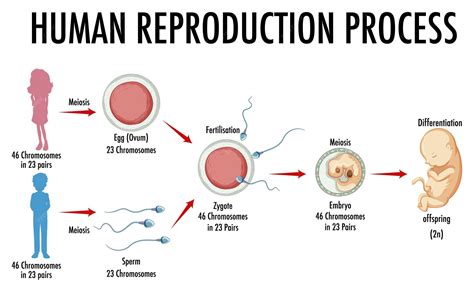
The decision to procreate is not taken in a vacuum. It has legal, moral, and social ramifications that extend beyond the immediate individuals involved. The societal perception of who constitutes "parents" and who is responsible for "child-rearing" can be fluid. While biology often plays a role, legal frameworks frequently define parenthood based on marriage, adoption, or other legal assignments, rather than solely on biology. This is particularly evident in cases involving assisted reproductive technologies (ART) or when a third party, such as an "additional gestational parent," is involved. These individuals may be legally recognized as responsible for the child, even if they are not the biological progenitors.
Navigating the Ethical Labyrinth: Rights, Responsibilities, and the Non-Identity Problem
The act of procreation is deeply connected to individual autonomy and the right to reproduce. This right, however, is not absolute and is often debated in conjunction with the potential well-being of the child. Philosophical discussions delve into the duties prospective parents have for creating a child, particularly when there are concerns about the child's future health or quality of life.
The "non-identity problem" is a significant ethical challenge in procreative decision-making. This problem arises when the identity of the child who will be born is dependent on the procreative decisions made. For instance, if a decision is made to have a child with a genetic predisposition to a serious cognitive disability (let's call this child "Amy"), or to have a different child who would not have this disability (let's call this child "Sophie"), the question arises: who has been wronged? If Amy is born with the disability, it might be argued that she is the victim. However, if Sophie were born instead, Amy would not exist, and thus could not be said to have been wronged by not being brought into existence. This dilemma complicates the notion of a "pure benefit" argument, which suggests that bringing a child into existence is always a benefit, as it raises questions about what constitutes a "benefit" and what the individual would have experienced had they not been born.

Philosophical discourse on procreation often grapples with the idea that life is a "pure benefit." However, this assumption can be challenged. The entry into existence itself, while seemingly a positive event, may entail a burden of existence that outweighs the benefits. Furthermore, the argument that procreation is always a benefit might prove too much, implying that any act leading to existence is inherently good, regardless of the quality of that existence.
To address these complexities, various ethical frameworks appeal to "role morality of parents," suggesting that parents have specific duties and responsibilities that go beyond merely bringing a child into existence. These duties include ensuring that "minimum conditions can be satisfied" and that children "have good and fulfilling lives." There are even arguments suggesting that certain individuals, such as "the very young and very old," may not possess the "basic prerequisites" to be effective parents.
Procreation and Disability: A Spectrum of Views
The decision to procreate when there is a known risk of a child being born with a disability is a particularly sensitive area of ethical debate. Some argue that "Sri does wrong in reproducing" if there is a high probability of the child having a disability. This perspective often hinges on the idea that certain conditions are so severe that they "warrant not being alive." This is a strong claim, suggesting that the quality of life for individuals with certain disabilities might be considered so poor that their non-existence would be preferable.
Conversely, disability rights advocates and ethicists often critique this view, arguing that it devalues the lives of people with disabilities. They emphasize that "disabilities" are often socially constructed and that a "terrible" condition does not automatically "warrant not being alive." The debate here often involves considering the "type of child" that prospective parents aim to create and the potential for that child to lead a fulfilling life, irrespective of any disability.

This leads to discussions about "anti-natalism," a philosophical stance that opposes procreation in general, arguing that it would be "wrongful" because life inevitably involves suffering, and the burdens of existence outweigh any potential benefits. Global anti-natalism opposes procreation universally, while more moderate positions focus on the harms or costs to others, including those already existing. Some philosophers argue for a "duty not to procreate," particularly when procreation would lead to a child with a significantly diminished quality of life or when it imposes substantial costs on existing individuals or society.
However, these arguments are often met with counterarguments that highlight the "double standards" employed. Critics suggest that if the focus is on harms to others, then existing individuals, who also experience suffering, should also be considered in the same light. Furthermore, the idea of a "right to reproduce" is a strongly held principle for many, and any restriction on this right faces significant opposition.
Assisted Reproductive Technologies (ART) and Their Implications
The advent of assisted reproductive technologies (ART) has expanded the possibilities and complexities surrounding procreation. Techniques like in vitro fertilization (IVF), artificial insemination, and surrogacy have enabled individuals and couples who might otherwise be unable to conceive to have children. However, these technologies also raise a host of ethical and legal questions.
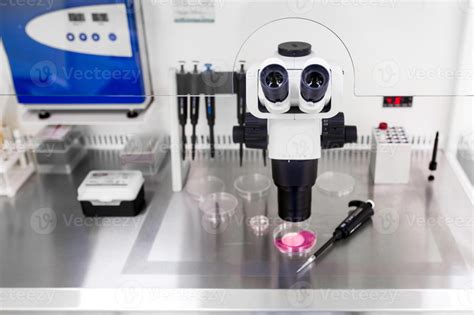
The morality of artificial insemination by donor (AID) and gamete donation is a subject of ongoing debate. Secular objections often center on the potential commodification of gametes and the risks of undermining the meaning of parenthood. The practice of "paying gamete providers" is particularly contentious, with concerns that it could lead to the exploitation of vulnerable individuals or create a market for human reproductive material. While some argue that gamete donation should be strictly regulated and that potential recipients should be screened, others emphasize the importance of donor anonymity and the rights of individuals to know their genetic forebears.
Surrogacy, where a woman carries a pregnancy for another person or couple, presents another complex ethical landscape. "Contract pregnancy," whether commercial or altruistic, has been criticized on grounds of harm to women, including potential exploitation and the exacerbation of social inequalities. International surrogacy arrangements, in particular, have drawn scrutiny due to concerns about power imbalances and the potential for exploitation in countries with less stringent regulations. The "surrogate" or gestational mother's rights and responsibilities, especially after birth, are often a point of legal contention.
The use of ART also extends to pre-implantation genetic diagnosis (PGD), where embryos are screened for genetic abnormalities before implantation. While PGD can prevent the birth of children with serious genetic conditions, it also raises concerns about selecting embryos based on desired traits, leading to a form of "designer babies." The potential for "enhancement" beyond disease prevention, such as increasing height or intelligence, is seen by some as a slippery slope that could "undermine important human values" and threaten social solidarity. There are also concerns that such enhancements would only be available to "richer parents," exacerbating existing social inequalities.
The Shifting Landscape of Parenthood: Beyond Biology
The traditional understanding of parenthood, heavily reliant on biological ties, is increasingly being challenged by evolving social norms and technological advancements. This has led to diverse philosophical accounts of what constitutes parenthood, moving beyond a purely biological definition.
The Changing Concept of Family
One prominent perspective focuses on the "interests of the child." This view suggests that parental rights and responsibilities should be assigned to those who are best placed to "rear the child" and ensure their well-being. This can include individuals who are not biologically related but who invest significant emotional and practical effort into a child's upbringing. The concept of "role morality of parents" is central here, emphasizing the duties and obligations that come with raising a child.
Another significant approach emphasizes the "intentionality to parent." This perspective argues that parenthood is acquired through a conscious decision and commitment to raise a child, regardless of biological connection. This can be particularly relevant in cases of adoption, where prospective parents actively choose to take on parental responsibilities. The "positive case in favor of adopting" highlights the immense benefits that adopted children receive, and some argue that "procreating rather than adopting" might be ethically questionable, especially in a world with many children in need of loving homes.
The legal framework surrounding parenthood also plays a crucial role. In many jurisdictions, "marriage, not biology, underpins the legal relation" between parents and children. This means that even in the absence of a biological connection, legal marriage can establish parental rights and responsibilities. This is also seen in the legal frameworks surrounding fatherhood, where the "legal status, and legal support obligations, of fatherhood" can be complex and contested. The right to avoid the status and burdens of fatherhood is also a recognized, albeit often debated, aspect of these legal discussions.
Disputes over "frozen embryos" and the use of gametes when genetic donors disagree on their use highlight the complexities of ART and the need for clear legal and ethical guidelines. These cases often involve questions about the "moral status of the embryo" and the rights of individuals who have contributed genetic material.
The State's Role in Procreation and Parenting
The state's involvement in procreative decisions and parenting practices is a subject of ongoing debate. While individual autonomy is often considered paramount, there are instances where the state intervenes to protect the welfare of children or to regulate reproductive practices.
Concerns about "population control in many countries" have led to policies that influence procreative choices. Similarly, regulations surrounding ART, such as limitations on the number of embryos that can be implanted or restrictions on gamete donation, reflect societal attempts to balance individual autonomy with broader ethical and social considerations.

The debate over whether parents should have "parental licenses" or be subject to state oversight in their child-rearing practices is also a significant aspect of this discussion. While some argue for increased state intervention to ensure children's well-being, others express concern about the potential for "interference with the person and their choices" and the erosion of family privacy. The idea of "procreative autonomy" is central to arguments against excessive state control, emphasizing the right of individuals to make decisions about their reproductive lives.
However, this autonomy is often viewed within a "choice-focused procreative autonomy model," which can be criticized for not adequately considering the "real-world context of socio-economic pressures" and the potential for such choices to "disadvantage women" or exacerbate existing injustices. Feminist perspectives on procreative ethics often highlight how reproductive technologies and policies can "disproportionately affect women of color" and how "decision-making depends on certain social supports."
The Moral and Legal Rights of Parents
Parents are generally understood to possess both moral and legal rights regarding their children. These rights are often seen as fundamental to the family unit and are rooted in the idea of parental responsibility and the unique bond between parents and children. The "irreplaceable good offered by parenting" is often cited as a justification for these rights.
However, the scope and strength of these rights are subjects of considerable debate. While parents have the right to make decisions about their children's upbringing, including their education and religious upbringing, these rights are not absolute. They are often balanced against the child's best interests and the state's interest in protecting children from harm.

The concept of "parental autonomy" is a key aspect of this debate, but it is often scrutinized in light of potential harm to children. For instance, objections to certain child-rearing practices, such as those based on extreme religious beliefs that could endanger a child's health or education, are often raised. The question of how to justify state intervention in parental decision-making, particularly in cases that do not involve outright abuse or neglect, remains a significant challenge.
Furthermore, the traditional notion of parents being limited to two individuals is also being re-examined. In some cases, multiple individuals may share parental responsibilities, and the legal recognition of these diverse family structures is an evolving area. The justification for parental rights is often linked to the "welfare of the child," with the ultimate goal being to ensure that children are raised to be "autonomous, healthy adults and good citizens."
The Causal Link to Parenthood
The question of how parenthood is acquired is a complex one, with various theories attempting to explain the link between individuals and the children they bring into the world. One such theory focuses on "causation," suggesting that those who cause a child's existence are its parents. However, the notion of "causation" in this context is not straightforward. Is it simply the biological act, or does it extend to the intentions and actions of those involved?
The "too many parents" problem arises when multiple individuals could be considered causal agents in a child's existence, making it difficult to assign parental rights and responsibilities. This has led some theorists to move away from a purely causal account towards "intentionalism," which emphasizes the intention to parent as a key factor in establishing parenthood.

Other accounts of parenthood focus on the "investment of parental labor" or the "connection" formed through caregiving. These perspectives highlight the nurturing and supportive roles that contribute to the development of a parent-child relationship, suggesting that these efforts are as significant as biological ties in establishing parenthood. The "best interests of the child" is often the guiding principle in resolving disputes over parenthood, particularly in custody cases, ensuring that the child's welfare remains the primary concern.
In conclusion, procreation is a multifaceted phenomenon that extends far beyond the biological act of reproduction. It is a process deeply intertwined with legal rights, moral obligations, ethical considerations, and evolving social norms. From the complexities of assisted reproductive technologies to the diverse understandings of parenthood, the journey of bringing forth and raising a child is a continuous exploration of human values, responsibilities, and the profound significance of family.
tags: #what #does #procreation #mean