In the dynamic world of digital creation, the ability to manipulate and enhance images is a cornerstone skill. Whether you're a seasoned professional photographer, a budding graphic designer, an enthusiastic hobbyist, or a small business owner aiming to elevate your brand's visual presence, acquiring the right software is paramount. Adobe Photoshop stands as the industry standard, a powerful and versatile tool that empowers users to achieve virtually any conceivable image editing or creation task. This guide will navigate you through the process of obtaining Photoshop, outlining its core functionalities, and highlighting how its features can transform your creative endeavors, from the simplest retouching to the most complex digital art.
Understanding Adobe Photoshop: More Than Just a Photo Editor
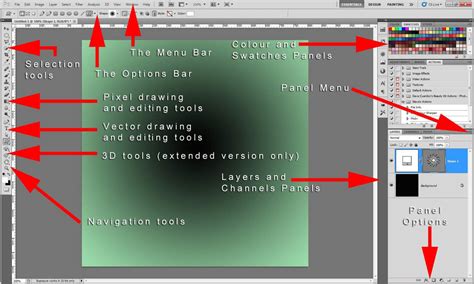
At its heart, Photoshop is a raster graphics editor. This means it works with pixels, the tiny colored squares that make up digital images. Its sophisticated engine allows for unparalleled control over these pixels, enabling users to perform a vast array of operations. The software's capabilities extend far beyond basic adjustments, offering tools for:
- Image Manipulation and Enhancement: This is perhaps Photoshop's most well-known function. Users can easily generate all-new backgrounds and images, add anything to their photos, restore damaged pictures, erase distractions, and much more. This includes intricate tasks like compositing multiple images into a single, seamless scene, or subtle adjustments like color correction and sharpening.
- Creative Exploration and Artistic Expression: Photoshop is a canvas for digital artists. With its vast array of brushes, filters, and layering capabilities, users can create entirely original artwork, from photorealistic paintings to abstract digital compositions. The ability to blend different techniques and styles opens up boundless creative possibilities.
- Graphic Design and Web Development: For designers, Photoshop is indispensable. It's used to create logos, website layouts, social media graphics, marketing materials, and virtually any visual asset needed for branding and online presence. The precision and control offered by the software ensure that designs are professional and impactful.
- Photo Restoration and Archiving: The software's powerful tools are adept at breathing new life into old, damaged photographs. Tears, creases, faded colors, and scratches can be meticulously repaired, preserving precious memories. Furthermore, its organizational features can help manage and back up extensive photo libraries.
Navigating the Acquisition Process: How to Get Photoshop
Historically, Photoshop was available as a perpetual license, meaning you bought it once and owned it forever. However, Adobe has transitioned to a subscription-based model, offering Photoshop as part of its Creative Cloud suite. This shift offers several advantages, including continuous updates with new features, access to cloud storage, and integration with other Adobe applications.
There are several ways to acquire Photoshop:
The Photoshop Single App Plan: This is the most straightforward option if your primary need is Photoshop. It provides access to the latest version of Photoshop and 100GB of cloud storage. This plan is ideal for individuals who focus solely on image editing and manipulation.
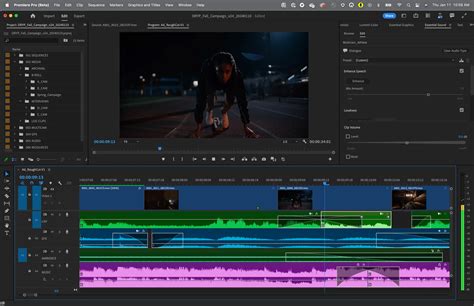
The Creative Cloud All Apps Plan: This comprehensive plan is designed for creatives who require a broader suite of tools. It includes Photoshop along with over 20 other industry-leading creative applications, such as Illustrator, InDesign, Premiere Pro, After Effects, and more. This plan offers the greatest value for professionals and serious hobbyists who engage in diverse creative projects, from graphic design and video editing to web development and animation. It also includes a wealth of Adobe Fonts, Adobe Portfolio for showcasing work, and Adobe Stock integration.
Photography Plans: Adobe offers specialized Photography Plans that bundle Photoshop with Lightroom, another powerful photo management and editing tool. These plans are particularly attractive to photographers as they provide a streamlined workflow for organizing, editing, and sharing images. There are typically two tiers:
- Lightroom & Photoshop Plan (20GB): This includes the desktop and mobile versions of Lightroom and Lightroom Classic, along with Photoshop and 100GB of cloud storage.
- Lightroom & Photoshop Plan (1TB): This offers the same software as the 20GB plan but with a significantly larger 1TB of cloud storage, suitable for photographers with vast image libraries.
Where to Purchase:Adobe's official website (adobe.com) is the primary and most reliable source for purchasing Photoshop subscriptions. You can choose the plan that best suits your needs and budget, and then proceed with the secure online checkout. Educational institutions and businesses may also have access to special pricing or volume licensing options, so it's worth inquiring if you fall into either of those categories.
Essential Photo Editing Techniques with Photoshop
Photoshop's power lies not only in its extensive feature set but also in its ability to guide users through complex processes. The "Guided Edits" feature is a prime example of this, offering step-by-step instructions for a wide array of common and advanced editing tasks. With 59 Guided Edits, users can learn and execute essential photo editing techniques for:
- Fixing Color and Lighting: This encompasses adjusting exposure, contrast, white balance, and color saturation to make photos look more natural and appealing. Whether a shot is too dark, too bright, or has an unnatural color cast, Guided Edits can help correct it.
- Improving Composition: Sometimes, the subject of a photo is perfect, but the framing isn't quite right. Guided Edits can assist with cropping, straightening horizons, and even using tools like the Content-Aware Fill to seamlessly remove unwanted elements that detract from the main subject.
- Adding Unique Effects: This is where creativity truly shines. Guided Edits can help users apply artistic filters, create dramatic black and white conversions, add vignettes, and experiment with various stylistic enhancements that give photos a distinct personality.
Beyond Editing: Showcasing Your Creations
Photoshop isn't just about making existing photos look better; it's also a powerful tool for creating new visual content and presenting it effectively.
- Photo Reels and Collages: The software allows for the creation of dynamic photo reels and aesthetically pleasing collages. This is perfect for social media sharing, personal projects, or creating visual narratives. You can combine multiple images, add text, and apply effects to create engaging presentations.
- Adobe Express Integration: For users looking for an even more streamlined and template-driven approach, Photoshop integrates seamlessly with Adobe Express (formerly Adobe Spark). Adobe Express provides access to thousands of free templates for social posts, videos, posters, and more. This means you can start with a professionally designed template and then use Photoshop to customize images, add your own branding, and fine-tune the details. This synergy allows for rapid content creation without sacrificing quality.
How to Make a Creative Photo Collage in Photoshop (Beginner to Pro)
Streamlining Your Workflow: Organization and Accessibility
A significant hurdle in any creative workflow is managing and accessing your digital assets. Photoshop, especially when used in conjunction with other Adobe Creative Cloud services, addresses this challenge effectively:
- Cloud Service Integration: Quickly import your photos from popular cloud services. This ensures that your images are readily accessible, regardless of where they are stored. Whether you use Dropbox, Google Drive, or Adobe's own Creative Cloud storage, Photoshop makes the import process smooth and efficient.
- Automatic Sorting and Backup: The software and its associated cloud services can automatically sort and back up your images. This not only prevents data loss but also ensures that your photo library is organized logically, saving you valuable time that would otherwise be spent manually categorizing files.
- Fast Photo Discovery: Finding specific photos within a large collection can be a daunting task. Photoshop employs automatic tagging, curation, and face recognition technologies to help you find photos fast. This means you can search for images based on keywords, people, or even content, drastically reducing the time spent hunting for the right visual.
Photoshop for Everyone: Accessibility and Learning Curve
One of the common concerns for aspiring users is the perceived complexity of Photoshop. However, Adobe has made significant strides in making the software accessible to users of all skill levels.
- No Experience? No Problem: As the provided information states, "No experience? No problem." This is largely thanks to the intuitive interface, the wealth of online tutorials, and the aforementioned Guided Edits. Beginners can start with basic adjustments and gradually explore more advanced features as their skills and confidence grow.
- Progressive Learning: The software is designed to accommodate a wide spectrum of users. A novice can learn to perform essential edits using the Guided Edits and then progress to manual adjustments, layer masks, and more complex compositing techniques. Professionals, on the other hand, can leverage the software's deepest functionalities for intricate retouching, 3D rendering, and advanced animation.
- Vast Learning Resources: Beyond the in-app guidance, the internet is brimming with resources for learning Photoshop. From official Adobe tutorials to countless YouTube channels, blogs, and online courses, there are ample opportunities to acquire new skills and refine existing ones. This rich ecosystem ensures that users can continuously expand their Photoshop expertise.
Delving Deeper: Advanced Techniques and Applications
While Guided Edits offer a fantastic starting point, the true power of Photoshop unfolds when users begin to explore its more advanced capabilities. These techniques are what set professionals apart and allow for truly unique and impactful creations.
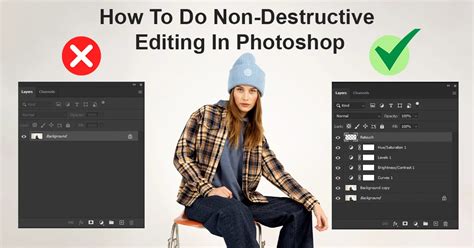
- Layer Masks and Blending Modes: These are fundamental to non-destructive editing and advanced compositing. Layer masks allow you to selectively reveal or hide parts of a layer without permanently deleting pixels. Blending modes determine how layers interact with each other, creating a vast array of effects, from subtle color shifts to dramatic textural overlays. Understanding these tools is crucial for creating sophisticated compositions and maintaining flexibility in your edits.
- Pen Tool and Vector Shapes: While Photoshop is primarily a raster editor, it also incorporates vector capabilities through the Pen Tool and shape layers. The Pen Tool allows for precise creation of paths and selections, essential for cutting out subjects cleanly or creating intricate designs. Vector shapes, unlike raster images, are resolution-independent, meaning they can be scaled infinitely without losing quality, making them ideal for logos and graphics that need to be used at various sizes.
- Color Grading and Tonal Adjustments: Beyond basic brightness and contrast, Photoshop offers sophisticated tools for color grading, which involves manipulating the color palette of an image to evoke a specific mood or style. Adjustment layers for curves, levels, selective color, and hue/saturation provide granular control over every aspect of an image's color and tone. Professionals often spend hours meticulously color grading to achieve a cinematic look or to ensure color consistency across a series of images.
- Retouching and Frequency Separation: For portrait and product photography, advanced retouching techniques are indispensable. Frequency separation is a powerful method that separates an image into high-frequency (texture) and low-frequency (color and tone) layers. This allows for skin blemishes or surface imperfections to be smoothed without affecting the underlying texture, resulting in a natural yet polished look. Dodge and burn techniques, often enhanced by custom brushes, are also used to sculpt light and shadow, adding depth and dimension.
- Smart Objects and Non-Destructive Workflow: Smart Objects are a cornerstone of a non-destructive workflow in Photoshop. When an image or vector graphic is converted into a Smart Object, it becomes a separate layer that can be scaled, rotated, distorted, and have filters applied to it without permanently altering the original pixel data. This means you can go back and make changes to these transformations or filters at any time, offering immense flexibility and preventing irreversible mistakes.
- 3D Capabilities and Animation: In its more advanced versions, Photoshop includes robust 3D modeling and texturing tools, as well as basic animation capabilities. While dedicated 3D software might offer more extensive features, Photoshop's integrated 3D tools allow designers to incorporate 3D elements into their 2D designs, create mockups, and even animate simple scenes or create GIFs. This integration further solidifies Photoshop's position as a versatile creative hub.
- Automation and Actions: For repetitive tasks, Photoshop's Actions feature is a lifesaver. You can record a series of steps (like resizing, applying a filter, and saving in a specific format) and then play back that Action on multiple images. This can dramatically speed up workflows, especially for batch processing large numbers of photos. Scripting and plugins can further extend these automation capabilities.
Integrating Photoshop into Your Creative Ecosystem
The true power of Photoshop is often amplified when it's used in conjunction with other applications, both within and outside the Adobe ecosystem.
- Adobe Creative Cloud Synergy: As mentioned, the Creative Cloud All Apps plan provides seamless integration between Photoshop and other Adobe staples like Illustrator (for vector graphics), InDesign (for page layout), Premiere Pro (for video editing), and After Effects (for motion graphics and visual effects). Files can be easily transferred between these applications, maintaining editability and preserving the integrity of your work. For instance, a vector logo created in Illustrator can be placed into Photoshop as a Smart Object, allowing it to be scaled without loss of quality and then incorporated into a larger design or web mockup.
- Third-Party Plugins and Extensions: The Photoshop community is vast and innovative. Numerous third-party developers create plugins and extensions that add specialized functionality to Photoshop. These can range from advanced sharpening filters and AI-powered noise reduction tools to specialized brushes and workflow enhancers. Exploring these can unlock new creative possibilities and streamline specific tasks.
- Cloud Storage and Collaboration: Beyond Adobe's own cloud storage, Photoshop works well with popular cloud platforms like Dropbox, Google Drive, and OneDrive. This facilitates easy sharing of work-in-progress files with collaborators or clients, and ensures that your projects are backed up securely. Features like Creative Cloud Libraries allow you to store and share assets (colors, fonts, graphics) across different Adobe applications and devices, ensuring brand consistency and speeding up repetitive design tasks.
Conclusion: Empowering Your Visual Storytelling
Acquiring and mastering Adobe Photoshop is an investment in your creative potential. Whether your goal is to restore cherished memories, create stunning digital art, design compelling marketing materials, or simply enhance your everyday photos, Photoshop provides the tools and flexibility to achieve your vision. The subscription model, while a shift from traditional purchasing, offers continuous access to the latest innovations and a comprehensive suite of creative tools. By understanding the essential techniques, exploring the advanced features, and integrating Photoshop into your workflow, you unlock a world of possibilities for visual storytelling and digital creation. The journey from novice to expert is continuous, but with the powerful resources available, anyone can begin to harness the transformative capabilities of this industry-leading software.