Knights of Pen and Paper 3 offers a unique blend of role-playing and meta-commentary, presenting players with a game within a game. This guide aims to illuminate the core mechanics and provide strategic insights for a more rewarding playthrough, drawing upon the collective wisdom of experienced players. Originally conceived to address concerns about micro-transactions, this guide now focuses on general tips and effective gameplay strategies, ensuring that all players, new and returning, can fully appreciate the depth of this engaging title.
The Foundation of Success: Farming and Team Building
The cornerstone of any successful RPG experience, and Knights of Pen and Paper 3 is no exception, is the strategic application of "farming." This involves dedicating time to accumulate essential resources like gold and experience points. Neglecting this crucial aspect can lead to significant challenges later in the game. Therefore, players are strongly encouraged to actively engage in farming from the outset.
Crafting a Balanced Party
A well-rounded party is vital for overcoming the diverse challenges presented in the game. At a minimum, players should strive to include a dedicated tank to absorb damage and a healer to sustain the party's health. As the game progresses, consider the specific roles and abilities of each character. For instance, ensuring your tank possesses a robust threat ability is paramount for drawing enemy attention, while your healer should focus on maximizing their healing capabilities.
The Influence of Luck
A subtle yet significant mechanic in Knights of Pen and Paper 3 is the Luck stat. Every dice roll, whether for combat, crafting, mining, or even traveling, is influenced by Luck. Each rank of Luck provides a +1 bonus to a rolled number, directly impacting the success rate of various actions. Players can further enhance their Luck through specific items and character abilities. Recognizing and capitalizing on this mechanic can provide a distinct advantage.
Strategic Resource Management: Gold and Party Expansion
Gold is a shared resource across all three save files, a feature that can be a lifesaver. If you find yourself in a dire situation where your entire party is defeated and you have no funds, creating a new game on another save slot allows you to farm gold there and transfer it back to your struggling party. This shared economy encourages a more forgiving approach to experimentation and recovery.
When it comes to expanding your adventuring party, the cost increases with each additional member. The first four party slots cost 10, 80, and 250 gold respectively. However, every character beyond the fifth slot will cost a flat 250 gold. Understanding these costs is crucial for planning your party's growth and ensuring you can afford the desired number of companions at the optimal time.
The Blacksmith: A Path to Powerful Gear
The Blacksmith is an integral part of the game, offering the ability to craft and upgrade equipment. However, reaching its full potential requires specific resources and strategic investment.
The Importance of Grindstones
To effectively level up the Blacksmith and unlock its higher-tier crafting capabilities, Grindstones are essential. These can be purchased from shops in towns for 25 gold each. Be aware that the cost of Grindstones can escalate significantly as you level up the Blacksmith, potentially draining your resources.
Mining for Value
Cave areas within the game often contain mining nodes that refresh each time you visit them. This provides a renewable source of valuable materials. Traveling from the Default Village to the Den of Devil, for instance, costs only 2 gold for a round trip and offers a chance to find up to 4 Grindstones, potentially saving you a considerable amount of gold compared to purchasing them directly from shops.
Strategic Gear Upgrades: The Greater Molten Ring
A pivotal item for Blacksmithing is the Greater Molten Ring. Upon reaching Level 16, acquiring four of these rings from a shop is highly recommended. Equipping these rings to the character whose gear you are upgrading at the Blacksmith reduces the cost by a substantial 80%. This makes expensive upgrades far more manageable.
Prudent Crafting Practices
It is generally ill-advised to attempt crafting early in the game. The success rate for crafting is significantly low at lower levels, and the associated costs can be detrimental to your finances, especially without the benefit of the Greater Molten Rings.
- The Blacksmith requires Level 7 to craft maximum armor and Level 8 to craft maximum weapons.
- It is personally recommended to delay significant crafting attempts until the Blacksmith reaches around Level 6, as this is when the odds of success begin to favor the player.
The Paris Advantage
The character Paris offers a unique benefit to Blacksmithing, providing a -50% cost reduction on all Blacksmithing actions. Utilizing Paris for crafting can dramatically alleviate the financial burden.
Shop Prioritization
Beyond the Greater Molten Rings and Grindstones for the Blacksmith, there is generally little reason to purchase items from shops until you are nearing the end of the game. By that point, money should ideally no longer be a significant concern.
Navigating the Shops: Smart Spending and Loot
The shops in Knights of Pen and Paper 3 offer various items, but not all purchases are equally beneficial. A discerning approach to shopping can save you considerable gold and improve your efficiency.
Avoiding Unnecessary Expenditures
- Low-Tier Items: Resist the temptation to buy low-level items from shops. As you defeat enemies throughout your adventures, you will naturally acquire a plethora of gear and items.
- Snacks and Drinks: Unless you are preparing for the ultimate secret boss, avoid purchasing snacks and drinks. These consumables are generally not necessary for standard gameplay.
Maximizing Inventory and Value
- Sell Junk: Regularly sell any junk items you are not using. Remember that your inventory has a limited capacity of 20 different items, so keeping it organized and free of clutter is essential.
- XP Potions: When considering XP potions, avoid the 500 XP option. It costs 20 gold, while a 6500 XP potion costs only 100 gold. Buying 13 of the smaller potions would cost an additional 160 gold compared to the larger, more cost-effective option.
- XP Potion Synergy: If you do opt for XP potions, remember to activate XP + furnishings and equip POTION + gear. Furthermore, collecting 4 Elite Harpy Beaks can double the XP gained from potions. Certain characters also receive XP bonuses from potions: Ronaldo (+100%), Saulo (+30%), Mr. John (+10%), and Ms. [Name Unspecified].
Essential Shop Investments
Certain items in the shop are highly recommended for their significant impact on gameplay:
- BK Crown and Holy Grail: Acquire these as soon as possible. The BK Crown, when fighting 7 monsters, significantly increases loot drops, as does the Holy Grail. More monsters mean more opportunities for valuable rewards.
- Golden Table, Red Carpet, and Royal Walls: These furnishings provide a 24% increase in gold per fight, which can accumulate significantly over time.
- Sword and Shield: Purchasing these items offers a 10% discount on Blacksmithing costs.
- Loaded Die: Obtain the Loaded Die before engaging in significant crafting or mining activities to enhance your chances of success.
- Cave Wall: If you plan to mine for Grindstones, the Cave Wall can increase your success rate.
- Travel Cost Reductions: Some items in the shop can lower travel expenses, which can be beneficial if these costs are proving to be a problem.
Strategic Party Formation and Combat Tactics
The order of your party members and your approach to combat can profoundly influence your success. Understanding these dynamics is key to survival and victory.
Optimal Party Placement
- Tank Positioning: It is generally advisable to place your tank in one of the end seats of your party formation. Monsters sometimes employ area-of-effect (AoE) attacks, and by positioning your highest-threat character at an end, they are more likely to be the primary target of these attacks, effectively shielding the rest of the party.
- Adjacent Support: The character positioned next to your tank should ideally be one of your more durable party members. This character will be better equipped to withstand the brunt of any AoE attacks that target your tank.
- Tavern Flexibility: Remember that party order can be rearranged at any time in the tavern. This allows you to adapt your formation based on the challenges you anticipate.
Mastering Combat Encounters
- Know Your Limits: Always assess your party's strength relative to the enemy. Do not engage groups of 7 monsters if your party is not adequately leveled or equipped to handle such a challenge.
- Strategic Retreat: Never be afraid to run away from a losing battle. When in doubt, a tactical retreat can save your party from an unnecessary wipe.
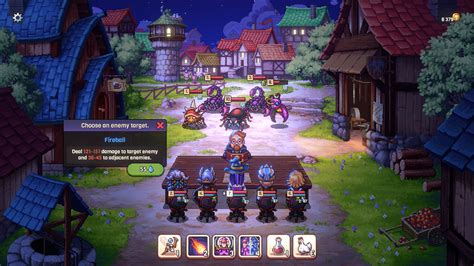
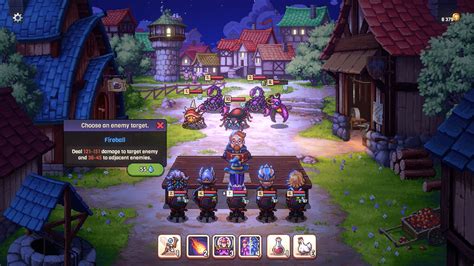
- Turn Order Awareness: Pay close attention to the turn numbers. If you can focus down a single enemy before their turn arrives, you will prevent them from dealing damage to your party. This is a crucial tactic for minimizing incoming damage.
- Targeted Stuns: The understanding of turn order can also be extended to strategic crowd control. For example, using a spell like Blizzard to stun a high-priority target can lock them down and prevent them from acting for a period, effectively controlling the flow of combat.
- Weakening Effects: Do not underestimate the power of the Weakening Effect, often possessed by Warrior and Priest classes. At higher levels, this can drastically reduce enemy attack power, sometimes to a mere 1 point of damage.
- AoE vs. Single Target: AoE moves are excellent for dealing with large groups of enemies, but they are often mana-intensive and less efficient against single targets. Ensure your damage dealers have at least one single-target ability for focused elimination.
- Exploiting Weaknesses: Always attempt to match the weakness of your target. If an enemy is resistant to magical damage, switch to Nature, Physical, or Ice-based attacks.
- Damage over Time (DoTs): DoTs can be incredibly effective against enemies with large HP pools. They can deal substantial damage over multiple rounds, often exceeding direct damage output in the long run.
- Ice Magic Vulnerability: Be aware that your entire party is generally weak to Ice Magic. When facing enemies that are likely to employ ice-based attacks, prepare to adopt a more defensive stance.
Combat 101: Ten Tips for Better Combats - Playing RPGs
Questing and Experience: The Path to Progression
Quests are a primary driver of progression in Knights of Pen and Paper 3, offering valuable experience and unique rewards.
Slay Quests and Bonus Experience
Slay quests can provide bonus experience for strategically splitting enemy groups. For instance, the Rebellion quest in Sunset Castle requires slaying 7 guards. Instead of fighting all 7 at once, you can engage a group of 6 guards and 1 bandit, and then a separate group of 7 guards. The bonus XP from these quests is awarded based on the target monster, so focusing on the primary objective is key.
Efficient Farming Locations
- Towns: Towns serve as excellent safe havens for farming gold, as you can rest without the threat of enemy encounters. The progression of towns generally follows this order: Default Village > Sunset Castle > Journey Village > Yoga Village.
- Dungeons: Dungeons can also be lucrative for gold farming, as the final boss often drops a substantial amount of currency. However, exercise caution, as you cannot rest between battles within a dungeon.
Understanding Core RPG Mechanics
To truly master Knights of Pen and Paper 3, a solid grasp of fundamental RPG mechanics is essential.
Experience and Leveling
Experience (XP) is the measure of a character's journey. Accumulating enough XP leads to leveling up, which grants increased health, magic, and a valuable skill point. The amount of XP required for each level-up increases as characters progress. The most common and efficient methods for gaining XP are:
- Battling and Defeating Enemies: Different enemies in each location award varying amounts of XP.
- Completing Quests: Quest XP is calculated based on the average level of the active party and is divided evenly among all members.
Threat and Aggro
Threat is the mechanic that determines which character an enemy targets. Threat is generated through various actions and abilities. A higher threat value on your tank ensures they draw enemy attention, reducing the likelihood of your damage dealers or healers being targeted. Conversely, high threat on DPS characters is detrimental.
HP Regeneration and Life Steal
HP Regeneration is the passive recovery of health each turn, which continues even if a character is crowd-controlled. This is crucial for tank survivability. Sources of HP regen include character passives, active skills, healer abilities, and items.
Life Steal, on the other hand, recovers a percentage of health based on the damage dealt. While less impactful in the early game, it becomes a vital component for DPS tanks later on, allowing them to sustain themselves through offensive actions.
Resistances
Resistances reduce incoming damage of a specific type. While early game resistances are minimal, focusing on physical resistance can be beneficial against many early and mid-game enemies.
The Role of Magic and Initiative
Magic and Initiative play critical roles in combat and character abilities.
Magic as a Resource
Magic (MP) is the primary resource for casting active abilities, especially for spellcasting classes. A lack of MP renders these characters unable to use their skills, forcing them to rely on basic attacks. MP also scales damaging spells, though often with a low coefficient.
Initiative and Turn Order
Initiative determines the order in which characters act during combat. While the exact mechanics can be complex, a higher Initiative value increases the likelihood of acting earlier in a turn. Generally, it is advantageous for tanks and DPS to act early, while healers may benefit from acting later to react to damage taken.
Magic Regeneration
Magic Regeneration is the passive recovery of MP, occurring at the start of a character's turn. This is a more desirable form of MP recovery than mana steal, which requires physical attacks and is thus less suitable for spellcasters.
Damage Types and Combat Effectiveness
Understanding the different damage types and how they interact with enemy resistances is crucial for optimizing your offensive capabilities.
Damage Over Time (DoTs)
Damage over Time (DoTs) inflict damage incrementally over several turns. While they may not result in immediate kills, they can deal significant cumulative damage, especially against high-HP targets.
Area of Effect (AoE) vs. Single Target
AoE attacks affect all enemies in a designated area, making them effective for clearing groups. However, they can be less efficient against single, high-priority targets. Single-target abilities focus damage on one enemy, which is crucial for quickly eliminating dangerous threats and reducing incoming damage.
Critical Hits and Damage Scaling
Critical Hits deal double damage and are influenced by Critical Hit Chance. When choosing between Critical Hit Chance, +Damage, and Skill-Based %Damage, consider the average damage output. Generally, percentage-based increases become more beneficial as your base damage increases.
Character Archetypes and Their Strengths
Knights of Pen and Paper 3 features a diverse cast of characters, each with unique strengths and weaknesses.
Tanks: The Unyielding Defense
- Warrior: Known for exceptional HP regeneration and strong threat generation through skills like Taunt. They are designed to be a resilient frontline that can withstand significant punishment.
- Paladin: Relies on active skills like Holy Shield for damage reduction and Devotion for threat. Paladins require more active management but can be highly effective with proper skill investment and initiative items.
Healers: The Pillars of Sustain
- Druid: A hybrid healer/DPS that can also regenerate party MP. Their heals are often "heals/turn," meaning they can provide a double heal if the target acts immediately after the Druid.
- Cleric: A strong starter healer that can also serve as an off-tank with their Smite ability. Skills like Weakening can significantly reduce enemy damage output, making them invaluable for controlling combat.
Damage Dealers: The Agents of Destruction
- Rogue: Excels at single-target elimination, capable of quickly dispatching individual enemies and elite mobs.
- Mage: Specializes in AoE damage, capable of clearing out groups of enemies efficiently, albeit at a higher mana cost.
The Shop as a Strategic Hub
The in-game shop serves as more than just a place to buy items; it's a strategic hub for enhancing your party's capabilities.
Prioritizing Shop Upgrades
- BK Crown and Holy Grail: Essential for maximizing loot drops when fighting larger enemy groups.
- HP and MP Regeneration: Prioritize items that boost HP and MP regeneration, especially in the early game, to ensure sustained combat effectiveness.
- Money Boosts: While not as critical as survival stats, gold-boosting items can accelerate your progression.
- Food/Drink Buffs: Items that extend the duration of food and drink buffs can provide significant advantages. A common tactic is to equip these items, consume the buffs, and then de-equip the duration-increasing items.
Essential Items
- Coffee: This item is highly recommended for its significant benefits, worth every coin.
- Greater Molten Rings: As mentioned earlier, these are crucial for reducing Blacksmithing costs.
- Loaded Die: Improves odds for crafting and mining.
- Cave Wall: Enhances mining success rates.
Unlocking New Characters and Advanced Tips
As you progress, you'll unlock new characters and discover advanced strategies.
The Archer
The Archer is a highly recommended unlock, offering strong physical attack capabilities. The general consensus is that Attack-based characters often outperform Magic-based characters due to the direct 1:1 damage scaling and the inherent benefits of life and mana steal.
Itemization Strategy
- Gather Quests: Items required for gather quests are only removed from your inventory if you have them there. Equipped items are safe.
- Early Game Gear: Cheap items available in the first castle can provide significant early-game upgrades, such as threat reduction for DPS, mana for casters, and health for all.
- End-Game Gear: Do not overspend on early-game gear, as you will likely acquire superior end-game items around level 20+.
Early Game Health
Prioritize early-game health to mitigate the effects of random chance (RNG) in combat. This can be achieved through shop upgrades and item acquisition.
Addressing Player Concerns and Game Mechanics
Players often encounter specific challenges and mechanics that can be confusing.
Artificer Unlock and Goblin Snipers
The Artificer is a character that can be unlocked, and its abilities, such as the Goblin Sniper's MP disruption, are designed to be challenging. It's important to understand that spellcasting characters naturally have larger mana pools, and abilities like the Cleric's basic attack can help with mana management.
Debuff Management
Dealing with persistent debuffs is a common challenge. Strategies include using Paladin's silence or stun abilities on debuff-casting enemies, or employing a Cleric's Blessing to remove debuffs. Team composition is key to countering these threats.
Cleric Changes and Trial Quests
While specific changes to the Cleric class might exist across different game versions, the core principle of team composition remains paramount. Trial quests can be particularly difficult, often requiring precise execution and strategic use of character abilities to overcome challenging enemy encounters. For example, the difficulty of a trial might hinge on surviving specific enemy evolutions or defeating powerful bosses within a limited number of turns.
Understanding Game Mechanics: A Deeper Dive
The game mechanics, including experience gain, quest completion, and item management, are intricate. The provided text hints at advanced guide-writing commands that automate and track these processes, such as:
- Experience Grinding: Specifying levels or XP percentages to grind to, with conditional skipping based on player progress.
- Quest Management: Automating quest acceptance, completion, and tracking, including handling daily quests.
- Inventory Control: Commands for buying, selling, depositing, withdrawing, and checking item counts, as well as conditional skipping based on money or item availability.
- NPC Interaction: Automating dialogue with trainers, flight masters, and other NPCs, as well as setting hearthstones.
- Step Visibility and Progression: Using commands to create persistent steps, set dependencies, and control step visibility based on various game conditions like reputation or game modes.
These underlying systems, though often abstracted in gameplay, are crucial for understanding how the game functions and how to optimize your experience within Knights of Pen and Paper 3.