The quest for the ideal texturing tool is a cornerstone of any successful 3D workflow. For artists and developers seeking powerful and cost-effective solutions, the realm of Substance Painter alternatives offers a diverse array of options. While Substance Painter has long been an industry standard, its subscription-based model can present a barrier, particularly for students, hobbyists, or those on a tight budget. This guide delves into the most compelling free and affordable alternatives available, examining their unique strengths and how they can empower creators to produce high-fidelity 3D models efficiently. Our definitive guide explores the best Substance Painter alternatives, with a particular focus on AI-powered 3D model converters and other robust free options for 2026.
The Rise of AI-Driven 3D Content Creation: Tripo AI
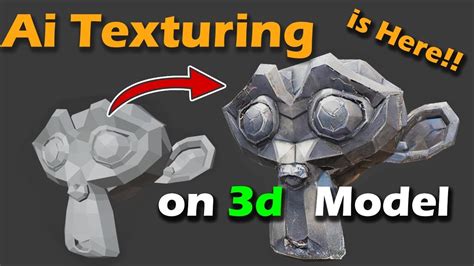
In the rapidly evolving landscape of 3D content creation, artificial intelligence is emerging as a transformative force. Tripo AI stands at the forefront of this revolution, presenting itself not merely as a texturing tool, but as a comprehensive generative pipeline. This AI-powered platform is designed for creators looking to generate and texture high-fidelity 3D models with unprecedented speed and ease. Tripo AI distinguishes itself significantly from traditional workflows like that of Substance Painter. Instead of relying solely on manual painting, it initiates the process by creating the 3D model itself, either from textual descriptions or existing images. Following this generative modeling phase, it intelligently applies smart, AI-generated PBR (Physically Based Rendering) textures. This integrated approach represents a paradigm shift, automating both the modeling and texturing stages. The platform's AI Texture Generator is particularly noteworthy, capable of applying diverse styles and creating sophisticated materials, thus offering an incredibly fast solution for producing fully realized, game-ready assets. For those prioritizing an AI-driven texturing workflow, Tripo AI emerges as a clear frontrunner, streamlining the entire creation process by automatically generating PBR materials and applying them to AI-generated models.
The All-in-One Powerhouse: 3D-Coat
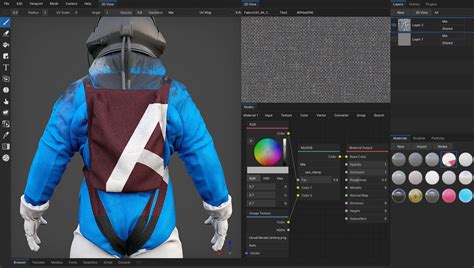
For artists seeking a robust, all-encompassing solution, 3D-Coat offers a compelling alternative. This powerful software integrates a comprehensive suite of tools, encompassing sculpting, retopology, and advanced texturing capabilities. As a direct competitor to Substance Painter, 3D-Coat provides a remarkably similar feature set, with a strong emphasis on professional-grade texturing and digital sculpting. Its primary strength lies in its extensive toolkit, which empowers users to manage every aspect of the 3D asset creation process within a single application. This includes everything from intricate digital sculpting and efficient UV mapping to sophisticated PBR texturing. The ability to perform these diverse tasks without needing to switch between multiple software packages significantly streamlines the workflow, making 3D-Coat a highly attractive option for professionals and serious hobbyists alike. Its comprehensive nature ensures that artists can achieve a high level of polish and detail on their models, directly addressing many of the needs catered to by Substance Painter.
Open-Source Prowess: ArmorPaint
ArmorPaint emerges as a prominent open-source contender in the 3D painting arena, offering a node-based interface that facilitates direct texture painting onto 3D models. This software is an excellent choice for artists who favor a procedural, node-based workflow, drawing parallels to the functionalities found in Substance Designer. ArmorPaint's core focus is exclusively on painting and texturing, and its real-time, GPU-accelerated engine ensures a smooth and responsive user experience. While it can be compiled for free by users with the technical inclination, a readily compiled version is available for a modest fee, making it accessible even to those who prefer not to delve into compilation. Subsequent compiled builds are then provided free of charge to purchasers. Although it may not be a direct 1:1 replacement for Substance Painter due to its current developmental stage, ArmorPaint offers sufficient features to enable the creation of decent PBR textures. The primary area where it currently lags is in its pre-built brush library, though users can create their own by importing alphas and constructing node trees, allowing for a high degree of customization and emulation of various brush types. The particle effects, while currently rudimentary, can offer basic simulations for weathering effects.
Specialized Tools for Specific Needs: Wings 3D and MakeHuman
While not direct texturing powerhouses in the same vein as Substance Painter, Wings 3D and MakeHuman carve out essential niches within the 3D workflow, offering valuable free and open-source solutions for specific tasks.
Wings 3D, primarily a subdivision modeler, earns its place on this list due to its exceptional AutoUV mapping capabilities and competent basic texturing tools. It serves as an excellent free option for preparing a 3D model, ensuring it is correctly UV unwrapped and ready for subsequent texturing in a more specialized application. Its user-friendly interface and efficient modeling tools make it a great starting point for many projects.
MakeHuman, on the other hand, is a highly specialized tool dedicated to the creation of photorealistic humanoid 3D characters. While it is not a general-purpose Substance Painter alternative for broad texturing needs, it is an invaluable free resource for generating high-quality base meshes of human characters. These meticulously crafted models come with clean topology and pre-existing UVs, making them ideal for seamless import into dedicated texturing applications like Substance Painter, 3D-Coat, or ArmorPaint. The time saved in generating these foundational human models can be significant, allowing artists to focus more on the creative aspects of texturing and detailing.
Blender : The FREE addon that let you create a REALISTIC HUMAN in minutes... (Make Human)
The Emerging Contender: InstaMAT
For artists seeking the latest advancements, particularly in AI-powered workflows, InstaMAT presents a noteworthy option. The platform offers a free "Pioneer" license that unlocks a surprisingly powerful set of features, effectively combining elements of both Substance Painter and Substance Designer. While still relatively new to the market, InstaMAT is rapidly gaining traction and is definitely worth exploring for those looking for a modern, feature-rich texturing solution that doesn't come with a prohibitive cost. Its integration of AI capabilities and its flexible node-based system make it a promising tool for both current and future 3D texturing pipelines.
Material Maker: A Free Procedural Powerhouse
Material Maker stands out as another entirely free and open-source PBR painting option. While it, like other free alternatives, may have some rough edges due to its open-source nature, it offers significant advantages, particularly in its node-based material creation. The system is considerably more advanced than that found in ArmorPaint, allowing users to craft visually rich and complex procedural materials. Material Maker leans more towards the Substance Designer end of the spectrum, making it an excellent choice for artists who want to generate intricate, tileable textures and materials programmatically. Its capabilities make it a strong contender for those who prioritize procedural generation and material artistry, offering a powerful alternative for creating unique surface properties.
Considerations for Budget-Conscious Creators
The desire to enter the world of 3D texturing without the financial burden of expensive software is a common aspiration. For students with no income or artists simply looking to avoid subscription fees, the question of "what free alternatives actually work in 2025?" is paramount. While free alternatives are excellent for learning and building a portfolio, it's important to acknowledge their limitations. They may not offer the same depth of features, the same level of polish, or the same seamless integration into large-scale professional pipelines as their commercial counterparts. However, for creating decent-looking models for a portfolio, these tools can be remarkably effective.
The choice between these alternatives often depends on individual workflow preferences. For instance, an artist already familiar with Photoshop's layer-based approach may find the transition to tools that emulate this system, like Substance Painter (and potentially some of its more advanced free alternatives that incorporate similar principles), more intuitive. The ability to bake out texture maps for use in game engines like Unreal Engine or Unity is a critical feature that most of these tools aim to provide.
Evaluating the Options: Key Factors for Selection
When considering the best Substance Painter alternative, several key factors come into play. These include:
- Texturing and Painting Capabilities: The breadth and depth of brushes, procedural tools, and manual painting features.
- PBR Workflow Support: The adherence to Physically Based Rendering principles, crucial for modern real-time rendering.
- Ease of Use: The learning curve and intuitiveness of the user interface.
- Cost-Effectiveness: Whether the tool is free, has a perpetual license, or a subscription model, and its overall value.
- AI-Powered Features: The integration of artificial intelligence for model generation, texturing, or material creation.
- Overall Performance: How well the software handles complex scenes and large assets within a professional pipeline.
Our top picks for 2026âTripo AI, 3D-Coat, ArmorPaint, Wings 3D, and MakeHumanâwere selected based on these criteria. Each platform offers distinct advantages and caters to different user needs, empowering artists to create and texture high-quality 3D models efficiently, whether through cutting-edge AI generation, comprehensive manual painting, or specialized modeling features.
A Note on Professional Pipelines and Future-Proofing
While free alternatives are invaluable, it's also true that at some point, for truly professional-level work or to access the most advanced features and optimizations, investing in industry-standard software might become necessary. However, the landscape is constantly shifting. Tools like InstaMAT and the continuous development of open-source projects like ArmorPaint and Material Maker demonstrate that powerful, accessible 3D texturing solutions are becoming increasingly common. The ability to efficiently bake texture maps, manage layers and blending modes, and work non-destructively are hallmarks of professional texturing workflows, and many of these alternatives are striving to replicate or innovate upon these essential functionalities. For those looking to avoid subscription models, purchasing Substance Painter on platforms like Steam can sometimes offer a more cost-effective alternative to direct subscription plans, providing a perpetual license.
Ultimately, the "best" Substance Painter alternative is subjective and depends on the individual artist's project requirements, budget, and preferred workflow. The options presented here offer a robust starting point for exploring the diverse and exciting world of 3D texturing beyond the confines of a single, dominant software package.
tags: #substance #painter #alternative