Texture overlays, particularly in the PNG format, have become an indispensable tool for digital artists, graphic designers, and content creators. These digital assets allow for the rapid enhancement and transformation of images, imbuing them with depth, character, and a unique aesthetic. The term "texture overlay PNG" itself refers to a digital image file, typically with a transparent background, designed to be layered onto another image to add a specific surface quality or visual effect. The user-provided data showcases a broad spectrum of these textures, ranging from the tactile realism of paper and plastic to the stylized effects of halftones and film grain, available in various resolutions and formats.
Understanding Texture Overlays and Their Formats
At its core, a texture overlay is a graphic element that, when placed on top of a base image, alters its visual appearance. The PNG (Portable Network Graphics) format is particularly well-suited for this purpose due to its support for transparency. This means that the non-textured parts of the overlay are invisible, allowing the underlying image to show through, while the texture itself is applied seamlessly. The provided data lists numerous examples of texture overlays, with file sizes and resolutions varying significantly. For instance, "Medium format contact sheet small" might refer to a 762x960 JPG, while "large" could be 3366x4240 JPG. Similarly, for PNGs, we see examples like "small: 960x754 png med: 1920x1507 png large: 4240x3329 png." This variety in size and resolution caters to different project needs, from web graphics to high-resolution print materials.
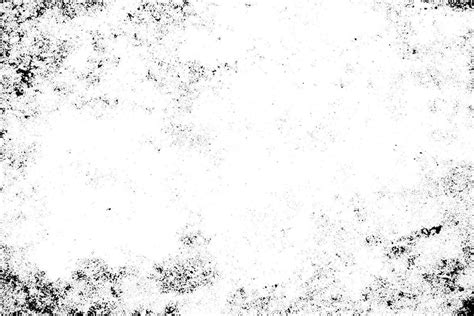
The sheer volume of "5,000+ Results for 'free overlay textures'" indicates the widespread demand and availability of these assets. The data also highlights specific popular packs, such as "Free Paper Textures Pack Vol. 1" with "1,698 appreciations" and "35,638 views," and "120 Free Plastic Wrap Overlay Textures" garnering "3,604 appreciations" and "58,233 views." These numbers underscore the immense utility and popularity of specific texture types. The availability of different sizes, like "small," "med," "large," and "x large" (e.g., "large: 4240x2826 jpg," "x large: 7619x5079 jpg"), ensures that creators can select the optimal resolution for their specific application, balancing file size with image quality.
A Spectrum of Textures: From Natural to Abstract
The user-provided information reveals a diverse catalog of texture overlay types, each offering a unique aesthetic.
Paper Textures
Paper textures are a staple in the design world, mimicking the feel and look of various types of paper. This includes everything from the subtle grain of fine art paper to the rougher surface of recycled paper. Packs like "Free Paper Textures Pack Vol. 1," "Vintage Paper Textures + FREE SAMPLE," and "Free 200 Paper Textures Packs" suggest a high demand for these natural, organic-feeling overlays. The variations in resolution, such as "small: 960x640 jpg" to "large: 4240x2826 jpg," allow for flexibility in application.
Plastic and Film Emulations
Beyond paper, the data points to a significant interest in textures that emulate plastic and film. "Plastic Textures Pack" and "120 Free Plastic Wrap Overlay Textures" indicate a desire to add a synthetic, sometimes glossy or distressed, quality to images. Similarly, "10 Free Film Texture Frames" and "32 Free Film Grain Textures 4K" tap into the nostalgic and cinematic appeal of analog film. These textures can add a vintage vibe or a gritty, cinematic feel, depending on the specific overlay chosen.
Grungy and Distressed Aesthetics
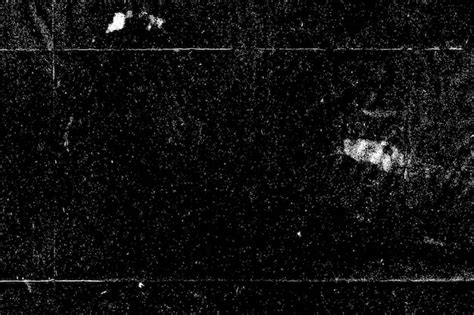
The presence of "Grunge Textures Kit [FREE DOWNLOAD]" and "Messed-up Paper [texture pack]" highlights the popularity of textures that convey a sense of wear, age, or imperfection. These are ideal for creating a raw, edgy, or retro look. The "Distressed Times Free Font" also suggests a broader trend towards distressed aesthetics in graphic design.
Geometric and Abstract Patterns
While not as explicitly detailed as paper or film, the mention of "Halftone Texture Pack Vol.01" points to the use of geometric and abstract patterns. Halftone textures, characterized by dots or lines, can create a retro printing effect or a modern, stylized look.
Applications and Practical Considerations
The utility of texture overlays extends across numerous creative fields.
Graphic Design and Digital Art
In graphic design, texture overlays are used to add visual interest to logos, posters, web banners, and social media graphics. They can transform a flat design into something more tactile and engaging. For digital artists, these overlays can provide a foundation for digital paintings or add depth and realism to 3D renders. The availability of different sizes ensures that these textures can be scaled appropriately for various outputs, from small social media icons to large-format prints. The data mentions resolutions from "762x960 jpg" to "7952x5304 jpg," illustrating the range of quality and detail available.
Photography Enhancement
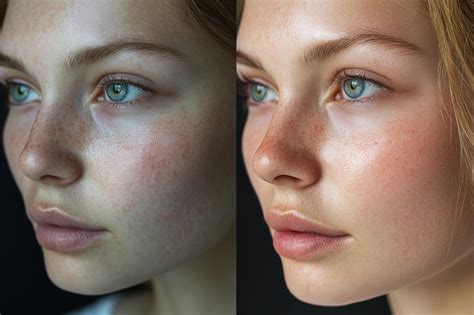
Photographers often use texture overlays to enhance their images. A subtle paper texture can give a digital photograph a more traditional, artistic feel. Film grain overlays can add a cinematic or vintage quality, while grunge textures can create a moodier, more dramatic effect. The user-provided data, with its extensive list of "free overlay textures," suggests that this is a common practice for photographers looking to add a unique touch to their work without extensive manual editing.
Web Design and UI/UX
In web design, texture overlays can be used sparingly to add subtle depth and character to backgrounds, buttons, or other interface elements. This can help to create a more engaging and memorable user experience. However, it's crucial to use them judiciously to avoid overwhelming the user or impacting website performance.
Considerations for Usage
When selecting and using texture overlays, several factors are important:
- Resolution: The resolution of the overlay should match or exceed the resolution of the base image to ensure crispness and avoid pixelation. The data shows a wide array of resolutions, from "small: 960x640 jpg" to "x large: 7952x5304 jpg," catering to all needs.
- File Format: PNG is preferred for its transparency support, allowing for seamless integration. JPGs are also common but may require more manipulation if transparency is needed.
- Blending Modes: Understanding how to use blending modes in image editing software (e.g., Photoshop, GIMP) is crucial for effectively integrating texture overlays. Modes like "Overlay," "Soft Light," and "Multiply" can create different effects.
- Subtlety: Often, less is more. Overusing textures can make an image look busy or amateurish. The goal is usually to enhance, not to overpower, the original image.
The idea that "at individual scales the additional load is ignorable, but at mass scraper levels it adds up and makes scraping much more expensive" is an interesting technical consideration that speaks to the infrastructure behind providing and accessing these assets. While end-users primarily focus on the creative application, the underlying systems must manage the bandwidth and storage for potentially millions of high-resolution texture files.
How to Apply Textures and Overlays in Photoshop
The Ecosystem of Texture Resources
The sheer volume of "free overlay textures" available points to a robust ecosystem of designers and platforms sharing these resources. Websites offering "free" packs, like the ones mentioned with high view counts and appreciations, serve as crucial hubs for creators. The "appreciations" and "views" metrics suggest a community-driven approach to content sharing and validation, where popular and high-quality assets gain traction. This democratizes access to professional-looking design elements, empowering individuals and small businesses to create visually compelling content without significant investment in custom assets. The mention of "5,000+ Results" further emphasizes the vastness of this resource pool.
The existence of specific, highly appreciated packs like "Free Paper Textures Pack Vol. 1" and "120 Free Plastic Wrap Overlay Textures" indicates that certain types of textures have enduring appeal due to their versatility and ability to evoke specific moods or styles. The inclusion of "FREE Instant Overlay Template" and "Plastic Sheet Overlay Mockup" also suggests a trend towards pre-designed solutions that streamline the creative process.
Future Trends and Innovations
As digital art and design continue to evolve, so too will the nature of texture overlays. We might see more sophisticated procedural textures, AI-generated textures, and interactive textures that respond to user input. The underlying technology for delivering and managing these assets will also likely advance. The note about "Anubis requires the use of modern JavaScript features that plugins like JShelter will disable" hints at the ongoing cat-and-mouse game between content providers and those who might exploit such resources, leading to technological solutions for identifying and mitigating automated access. This suggests a future where the delivery and protection of digital assets, including texture overlays, become increasingly complex.
The drive towards higher resolutions and more detailed textures, as evidenced by the "x large" formats like "7619x5079 jpg" and "7952x5304 jpg," will continue as display technologies improve and the demand for print-quality digital assets grows. The variety of formats and sizes available ensures that texture overlays remain a flexible and accessible tool for a wide range of creative projects, from quick social media posts to high-end editorial work.