For many creative professionals and enthusiasts, Adobe Photoshop is synonymous with digital image editing. Its powerful tools and extensive capabilities have made it an industry standard for decades. However, the question of "why is Adobe Photoshop expensive?" has become increasingly pertinent, especially with recent subscription price adjustments that have left many users, particularly those in regions with fluctuating economies, feeling the pinch. This article delves into the multifaceted reasons behind Photoshop's premium pricing, examining Adobe's business model, the value proposition of its software, and the evolving landscape of creative tools.
The Shift from Perpetual Licenses to Subscriptions
Historically, software like Photoshop was purchased through a one-time, perpetual license. Users bought a version, such as Photoshop CS6, and owned it indefinitely, with upgrades to new versions requiring a separate purchase. This model offered a clear upfront cost. However, Adobe transitioned to a subscription-based model with Creative Cloud, fundamentally changing how users access and pay for their software. This shift was driven by several factors. Firstly, it provided Adobe with a more predictable and consistent revenue stream, allowing for continuous investment in research and development. Secondly, it enabled the company to deliver ongoing updates, new features, and cloud-based services seamlessly to subscribers without requiring them to purchase entirely new versions.
The subscription model, while offering continuous improvement and access, also means that the cost is ongoing. For users who only require occasional access or specific functionalities, this can feel more expensive over time compared to a one-off purchase. The argument from Adobe's perspective is that the value delivered through constant updates, cloud integration, and a vast suite of tools within Creative Cloud justifies the recurring fee. As stated by Adobe, these new prices "better reflect the value that the apps deliver," noting it hasn't raised subscription prices since it started demanding continuous monthly or yearly payments for Photoshop rather than one-off fees for each version.
Deconstructing the "Photography Plan" and Standalone Photoshop Costs
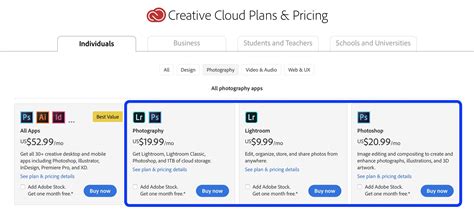
A significant point of contention for many users, as highlighted by a game developer from Russia, is the apparent discrepancy in pricing between bundled plans and standalone applications. The user noted that the Creative Cloud Photography plan, which includes Photoshop and Lightroom, was significantly cheaper than subscribing to Photoshop alone. This observation is further supported by recent price changes. For instance, the Photography plan with 20GB of storage, which includes Photoshop, Lightroom, and Lightroom Classic, saw a substantial price increase, moving from $9.99 to $14.99 per month for new users. This represents a more than 50% bump. Crucially, this "cheapest option" is no longer available for new subscribers, forcing them towards more expensive tiers.
The standalone Photoshop subscription, or higher-tier Photography plans (like those with 1TB of storage), typically come at a higher price point. The user's experience of Photoshop-only subscription being "even more expensive" than the bundled Photography plan is a common point of frustration. This pricing strategy suggests Adobe's intent to encourage users to opt for their broader Creative Cloud ecosystem or higher-capacity plans. The company appears to prioritize revenue generated from its more comprehensive offerings, potentially viewing standalone applications as less profitable or as entry points to their larger ecosystem. From January 15, 2025, the more expensive monthly ($19.99) or yearly ($239.88) Photography plans with 1TB of storage, which include Photoshop without the rest of Creative Cloud, become the primary option for those seeking just Photoshop.
The Value Proposition: Beyond Just Photo Editing
The expense of Photoshop is not solely tied to its core image manipulation capabilities. Adobe positions Photoshop as a comprehensive creative solution, and its price reflects the immense value it offers across various creative industries.
Industry Standard and Ecosystem Lock-in
Photoshop has been the de facto industry standard for digital art, graphic design, web design, and photo manipulation for decades. This means that proficiency in Photoshop is often a prerequisite for employment in creative roles. Companies invest in Photoshop because their teams can collaborate seamlessly, and file compatibility is rarely an issue. This widespread adoption creates a powerful network effect and a form of "ecosystem lock-in." Professionals learn Photoshop, and students are taught Photoshop, perpetuating its dominance.
Advanced Features and Continuous Development
Adobe continuously invests heavily in research and development, pushing the boundaries of what's possible with digital imaging. Photoshop regularly receives updates that introduce groundbreaking features, often powered by Adobe Sensei, its AI and machine learning platform. Features like advanced content-aware tools, sophisticated masking capabilities, 3D rendering, and, more recently, AI-driven features such as generative fill and reflection removal, add significant value. While some users might find recent upgrades "uninspiringly dull," the company argues these advancements justify the cost. The AI denoising algorithm, for example, is a feature Adobe claims benefits from its "historic use of our photos to train its AI."
The Breadth of Creative Cloud
It's important to remember that Creative Cloud is not just Photoshop. It's a suite of powerful applications, including Illustrator, InDesign, Premiere Pro, After Effects, and many more, catering to a wide range of creative disciplines. While some users, like the game developer, might only use Photoshop, the subscription model often bundles these applications. Even the Photography plan, which is more focused, includes Lightroom and Lightroom Classic, offering a robust workflow for photographers. Adobe's pricing often reflects the value of this entire ecosystem, even if an individual user only utilizes a fraction of its capabilities.
Economic Factors and Regional Pricing
The user from Russia's experience highlights a critical aspect: regional pricing and economic disparities. While the US dollar price might be $9.99, the equivalent in Russian rubles, even after accounting for currency exchange rates, can become prohibitive, especially with significant price hikes. The user noted their previous subscription cost of 360 rub./month rising to 644 rub./month, a near doubling. The standalone Photoshop subscription then jumped to an "insane" 1288 rub./month. This situation is not unique to Russia; users in many countries with weaker currencies often face similar challenges.
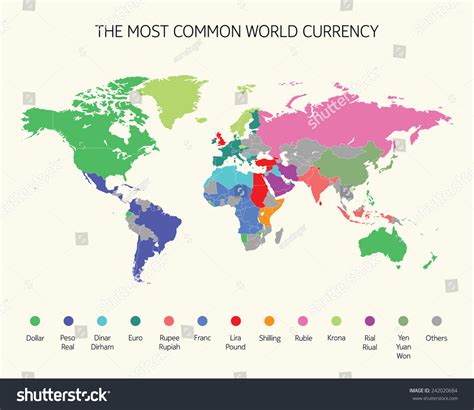
Adobe's global pricing strategy aims to balance the perceived value of its software with local economic conditions. However, as seen in the recent changes, the "cheapest option" for new users is being phased out, pushing everyone towards higher price points. The argument that the dollar is worth less than a pound, making US prices cheaper in comparison to UK prices, also points to the complexities of international currency markets influencing subscription costs. For instance, a user in the UK paying £9.98/month for the Photography plan (including Photoshop, Lightroom, and Lightroom Classic, plus 20GB storage) sees it increasing to £14.99, a substantial jump.
Navigating the Cost: Alternatives and Negotiation
Given the rising costs and the potential for feeling undervalued, many users explore alternatives or strategies to mitigate the expense.
Exploring Alternatives
The market for creative software is diverse, and several powerful alternatives to Photoshop exist, often at a significantly lower cost or with a one-time purchase option.
- Affinity Photo: This is a popular and well-featured development and editing tool that offers a one-time purchase model. It boasts a raw development tool and provides good results, making it a strong contender for those seeking sophisticated layered edits without a subscription.
- GIMP (GNU Image Manipulation Program): A free and open-source option, GIMP has undergone significant updates, becoming less clunky and more user-friendly. While its layout is similar to Photoshop, it requires a learning curve and is less intuitive for some.
- Paint.NET: For Windows users, Paint.NET is another free photo editing tool that offers a good balance of features and ease of use.
- ON1 Photo RAW: This program has gained significant traction for its comprehensive features, speed, and perpetual license option, alongside a subscription. Its catalog functionality is comparable to Lightroom, and it offers robust editing tools, including noise and sharpening panels. ON1 also provides a migration tool for Lightroom catalogs.
- DxO PhotoLab: Known for its advanced raw development capabilities and excellent lens correction profiles, DxO PhotoLab is a strong choice for photographers seeking high-quality image processing. It also offers a serviceable PhotoLibrary for image management.
- Capture One: While also a subscription-based professional tool, some photographers find its output quality superior, though it comes at a higher price point than many alternatives and is also a subscription, which many balk at.
The decision to switch often depends on individual workflow needs. For users who rely heavily on Photoshop's unique features or integration within the Adobe ecosystem, a complete switch might be challenging. However, for many, alternatives can provide the necessary functionality at a fraction of the cost.
The Art of Negotiation
As the user from Russia's experience hints, sometimes negotiation can yield better results. Adobe, like many subscription-based companies, may offer discounts to retain customers who express an intent to cancel. Anecdotal evidence suggests that contacting customer support and expressing dissatisfaction with price increases can sometimes lead to offers of discounted pricing or extended service periods at a lower rate. This strategy, akin to negotiating with phone or utility providers, can be a viable way to manage the ongoing cost of subscriptions. For example, one user reported being offered a discounted price of GBP 8.33/month for a year, plus three free months, effectively paying for nine months and receiving twelve.
Conclusion: A Balancing Act of Value and Cost
The expense of Adobe Photoshop is a complex issue stemming from its historical market dominance, the shift to a subscription model, continuous feature development, the value of the broader Creative Cloud ecosystem, and global economic factors. While Adobe argues its pricing reflects the immense value delivered, users often feel the pinch, especially with recent price adjustments and regional disparities. The increasing cost, coupled with the phasing out of more affordable plans for new users, is pushing many to re-evaluate their subscriptions and explore the growing landscape of powerful, more affordable alternatives. The future of creative software access will likely involve a continued balancing act between the premium offerings of established giants like Adobe and the increasingly competitive and accessible solutions emerging from other developers.