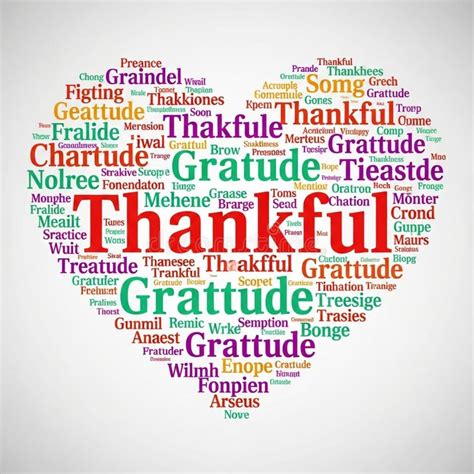
Creating word art, also known as word clouds or text collages, has become a popular and heartfelt way to express sentiments, celebrate individuals, or highlight key themes. This art form transforms a collection of words into a visually engaging piece, where the size and prominence of each word often reflect its significance. Whether you're aiming to create a unique gift, an educational tool, or simply an artistic expression, understanding the process and available tools is key. This guide delves into the creation of word art, from initial concept to final output, drawing upon various techniques and platforms.
The Genesis of a Word Collage: From Personal Gifts to Educational Tools
The journey of creating word art often begins with a personal touch, as exemplified by the creation of a gift for Kristen. The sentiment behind such a creation is that "she means so much to all of us." This personal connection is a driving force for many who embark on this creative endeavor. The abundance of words, in this instance, was a positive challenge, leading to explorations of how to best represent them visually. "For Kristen’s project, we had so many words (yay!) that when I tried to use a program like that, too many words came out much smaller than I wanted and there was no way to make them bigger." This highlights an early hurdle: managing word density and size variation.
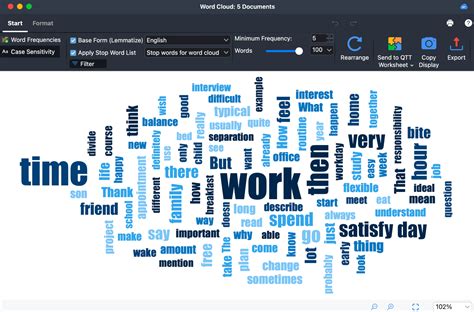
Beyond personal gifts, word collages serve significant educational purposes. They are described as a "fun way to help students think creatively about any topic." Educators utilize them to "highlight individual words based on how often they appear." The visual representation of word frequency, where "larger and bolder words indicate higher frequency, showing their importance," makes complex information more accessible. For instance, in a geography class, a word cloud can visually distill the core concepts and their interrelationships, making it "easier to grasp information that might be overwhelming if presented solely in written text." This method transforms a potentially dense block of text into an easily digestible and engaging visual summary.
Selecting Your Canvas: Digital Tools for Word Art Creation
The digital age has gifted us with an array of tools to bring word art to life. Each platform offers unique features and approaches to customization.
Canva: A Versatile Design Hub
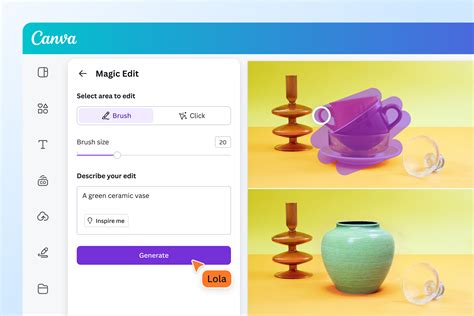
Canva is a widely accessible and user-friendly platform that can be leveraged for creating sophisticated word art. While not exclusively a word art generator, its design capabilities allow for intricate customization. The process often begins with selecting a design template. For a project like a pillow, searching for "Square Pillow" in Canva's design options is a practical starting point.
The core of word art creation in Canva involves adding and manipulating text boxes. A central "anchor text," such as a name, can be established first. For Kristen's project, "Kristen’s name, since it was the center anchor text," was used. Adjusting the size and font of this anchor text is crucial for establishing the visual hierarchy. For instance, "Merriweather size 294" was used for the name, providing a substantial focal point.
Subsequent text boxes are added with a smaller font size, such as "Merriweather, size 36," to allow for greater density. The true artistry then begins: "Once you’ve entered all the words you can start rotating and adjusting the size until they’re arranged the way you want them." This stage can be time-consuming, as it "can take a while depending on how many words you have and how much you embrace precision and tedium."
Color plays a vital role in the aesthetic appeal of word art. Canva integrates with color palette generators. By clicking "Start the Generator" on the main page and scrolling through color palettes using the spacebar, users can discover visually pleasing combinations. These selected colors can then be applied to the text boxes in Canva by clicking the font color option and entering HEX codes for precise matches. As colors are added, they are conveniently stored in "Document Colors" for easy reuse.
To prepare the word art for printing, a new design is created, often with a custom size like "2000 x 2000 px." The downloaded word art (typically as a PNG file) is then uploaded and adjusted within this new design to incorporate margins for framing. For Kristen's piece, it was "stretched to 1916 x 1916 and made sure it was centered horizontally and vertically." This meticulous placement ensures a professional finish.
Tagxedo and Tagul: Dedicated Word Cloud Generators
For those seeking a more specialized word cloud experience, platforms like Tagxedo and Tagul offer dedicated functionalities. Tagxedo, for example, was praised as a tool that "I just went and did this and my word art turned out fantastic. I love Tagxedo!" It's noted that some users encountered issues with older browsers or specific operating systems, with one user mentioning, "I was able to do this in Internet Explorer, but not Chrome or Microsoft Edge." This can be attributed to the reliance on technologies like Microsoft Silverlight, which was once essential for many interactive web applications.
Tagul is presented as a viable alternative when Tagxedo or similar Flash-dependent tools are unavailable. It's described as "pretty cool too and the kids found it pretty easy to use. Just another one to add to the list!" These dedicated generators often provide more granular control over word placement, shapes, and animation, catering to users who want to explore advanced customization.
Wordle: A Classic Word Cloud Tool
Wordle was an early and influential word cloud generator. Its simplicity made it a popular choice for quickly visualizing word frequency. The process typically involved pasting text into a box or submitting a URL, and the tool would automatically generate a cloud. "Find the text you would like to create a word cloud from, copy it, and paste it into the box under the text that reads “Paste in a bunch of text” on the Wordle site. Then click “Go” if you have pasted text or the “Submit” button if you have copied and pasted a URL." While Wordle itself may be less actively maintained or accessible in its original form, its legacy lives on in the concept and functionality of many modern word cloud tools.
Microsoft Word: A Familiar Yet Capable Option
For users already proficient with Microsoft Office, creating photo collages, and by extension, text-based designs, is an option. Newer versions of Word offer "more user-friendly features like enhanced image editing, drag-and-drop layout, and built-in collage templates." While not a direct word cloud generator, Word's capabilities can be adapted.
"Features like SmartArt-a built-in graphic tool-act as a simple collage maker, allowing users to organize photos creatively with pre-designed layouts." This can be adapted for text. Additionally, "Word Tables-available in all versions-offer full control over layout and alignment," providing a structured approach to arranging text elements. Accessing the "Developer" tab in Word (available via "Customize the Ribbon" settings in versions like Word 2013 and 2016) can unlock further options for more complex layouts and integrations.
Create A Word Cloud In Microsoft Word
Advanced Techniques and Customization
Beyond the basic generation of word clouds, several advanced techniques can elevate the final product.
Font Choice: Serif vs. Sans Serif and Case Considerations
The choice of font significantly impacts the overall aesthetic. Users can opt for a "serif or a sans serif font." Serif fonts, with their small decorative strokes, can lend a more traditional or formal feel, while sans-serif fonts are typically cleaner and more modern.
The use of capitalization is another stylistic decision. "Some people prefer all caps in word art and others use lower case." The author notes that "lower case looked better for this one," implying a subjective aesthetic preference. However, "all caps can be easier because you’re not working around letters that are higher and lower than others - g, y, k, l, h, t, etc." This practical consideration is important when dealing with complex word arrangements.
Shape and Layout Control
Many word art generators allow users to embed their words within specific shapes. This is a key feature that transforms a simple list of words into a cohesive visual. For example, creating a heart shape for a loved one or a specific letter to represent a name. The user's query about creating a project "using the shape of a letter like the 'T lower' shape that Tagxedo shows in their lineup of options, but I want to be able to choose letters other than 't'" highlights the desire for greater shape customization.
The arrangement of words within these shapes is also critical. "Once you’ve entered all the words you can start rotating and adjusting the size until they’re arranged the way you want them." This manual adjustment is where the "precision and tedium" come into play, allowing for fine-tuning of the composition.
Color Palettes and HEX Codes
The strategic use of color can dramatically enhance the impact of word art. Users can "use the spacebar to scroll through loads of color palettes until you find something you like." The ability to "use any number of colors you want" offers immense creative freedom. For precise color control, entering HEX codes in platforms like Canva ensures brand consistency or a specific desired hue. As mentioned, these colors are often saved within the design document for ease of access.
Incorporating Icons and Graphics
Some users look to add extra visual elements beyond text. The question, "I have seen these word collages with added icons like mini hearts and butterflies and the words don't get repeated its lots of 'single' words… would this be a different site? If so, any thoughts? Suggestions?" points to a desire for richer visual narratives. While some dedicated word cloud tools might have limited icon libraries, platforms like Canva excel at integrating various graphic elements, allowing for a more complex and layered collage.
Printing and Displaying Your Word Art
Once your digital masterpiece is complete, the next step is to bring it into the physical realm.
Printing Options: From Online Services to Local Printers
Several avenues exist for printing word art. "I used Print with Canva and selected a Medium (12 x 12) sized poster and purchased my own frame." This offers a convenient, integrated solution.
Another robust option is Shutterstock, where users can "download the final product (with the margins built in) from Canva and upload it to Shutterstock where you can just have it printed or have it printed and framed, with or without a mat." Shutterstock often provides a wider array of framing and matting choices.
Shutterfly is also mentioned as a platform where a project was created to "make sure the image would work with a mat with all the text intact," indicating its suitability for photo and print services.
The ability to print on various materials is also a consideration. Queries like "Do you know if this can print on canvas? I would like to print 12×12 sizes and larger" are common. Generally, as long as the resolution of the digital file is sufficient, printing on canvas or larger formats is feasible. The quality of the image is often described as "pretty good," suggesting suitability for these larger prints.
Framing and Matting for a Polished Look
The final presentation of word art often involves framing and matting. The size of the print and frame are important considerations. For Kristen's project, "the final product for Kristen’s word art was a 12 x 12 print matted in a 16 x 16 frame." This provides a balanced visual presentation, allowing the word art to stand out without being overwhelmed by its surroundings. Creating a new design in Canva with added margins before downloading the final image is a recommended step to ensure proper framing.
Word Art in Education and Beyond
The utility of word art extends significantly into educational settings. As previously noted, it's a powerful tool for "helping students think creatively about any topic" and for "working on vocabulary." The act of selecting words and observing their visual representation reinforces learning.
For example, the process of creating a word art piece for each student, incorporating both general and specific words, serves as a personalized and meaningful end-of-year card. This demonstrates the adaptability of word art for individual recognition and appreciation.
The concept of a "word collage is a creative way to play with words. It’s a great way to consider multiple meanings of the same word." This encourages deeper engagement with language, prompting students to "find a representation for each of the meanings-both literal and symbolic." Examples like "Anchor" and "Bug" illustrate how a single word can have diverse interpretations, which can be visually explored.
Considerations for Effective Word Art Creation
Several factors contribute to the success and impact of a word art piece.
Clarity and Legibility
"Text visibility is critical to your design." This means ensuring that the text color contrasts sufficiently with its background, even while remaining within the overall color theme. The goal is to make the "message pop."
Composition and Focal Point
"Composition is all about how the elements relate to and play off of each other." A clear focal point is essential, guiding the viewer's eye. This can be achieved through size, color, or placement. The arrangement of elements should create a "balanced composition of elements, meaning the design should have equal visual weight throughout the canvas."
Avoiding Clutter
"An overcrowded collage may leave your reader confused since it’s hard to know where the eyes should focus first." It's important to "take a step back and see if your collage looks cluttered" and to be "strategic about the number of elements you’re placing on your collage."
Font Pairing and Hierarchy
When using multiple fonts, "don’t make everything big and bold. Instead pair fonts in a complementary way, such as a big bold headline with a minimalist font in a smaller size for supporting text." This creates a visual hierarchy that improves readability and aesthetic appeal.
Filmora's AI Idea to Video: Bridging Word Art and Multimedia
For creators who also engage with video, Filmora offers an innovative "AI Idea to Video" feature. This tool allows users to "transform those inspirations into engaging short video stories." Whether showcasing word art creations or adding narration, it provides "powerful support." By inputting a story idea, customizing length, language, and style, users can generate video scenes. This feature can be particularly useful for creating promotional videos for word art businesses or for educational content explaining the creation process.
The Enduring Appeal of Word Art
The creation of word art, whether for personal gifts, educational purposes, or artistic expression, offers a unique blend of creativity and communication. From the initial gathering of words to the final printed piece, each step allows for personalization and thoughtful design. The accessibility of digital tools like Canva, coupled with the specialized functionalities of dedicated generators, ensures that anyone can embark on this rewarding creative journey. The ability to convey emotion, reinforce learning, and celebrate individuals through the visual arrangement of words makes word art a powerful and enduring medium. As one user enthusiastically stated, "I love, love, love my word art!" and the sentiment is echoed by many who find joy and meaning in this art form.