The XP-Pen driver controller is the crucial bridge between your creative input and your digital canvas. When this bridge experiences disruptions, it can bring artistic workflows to a grinding halt. This article delves into the common challenges users face with XP-Pen driver controller support, offering a structured approach to troubleshooting and resolution, from fundamental checks to more advanced diagnostics. Understanding the intricacies of driver functionality and system compatibility is paramount for a seamless creative experience.
Understanding the Core of XP-Pen Driver Functionality
At its heart, the XP-Pen driver software is designed to translate the nuanced movements and pressure applied to your graphics tablet into actionable commands for your computer. This includes recognizing pen pressure, tilt, button inputs, and the tablet's overall position. Without a properly functioning driver, your XP-Pen tablet might be recognized as a generic mouse, rendering its advanced features useless. The driver acts as a translator, ensuring that every stroke, every tap, and every gesture is accurately interpreted by your operating system and creative applications.
The driver's role extends beyond simple input recognition. It often includes a dedicated control panel or settings application, allowing users to customize pen button functions, adjust pressure sensitivity curves, map tablet areas to screen areas, and configure other tablet-specific features. This customization is vital for tailoring the tablet's performance to individual artistic styles and preferences. When these settings are not correctly applied or are corrupted, it can lead to erratic behavior or a complete lack of functionality.
Initial Troubleshooting: The Foundation of Driver Support
Before diving into complex solutions, it's essential to establish a solid troubleshooting foundation. Many common driver issues stem from simple oversights or outdated software. A systematic approach here can save significant time and frustration.
Ensuring the Latest Driver is Installed
One of the most frequent causes of XP-Pen driver controller support issues is the use of an outdated or corrupted driver. It is imperative to ensure you have downloaded and installed the latest driver specifically designed for your XP-Pen model and your operating system. XP-Pen regularly releases updates to improve compatibility, fix bugs, and introduce new features.
To achieve this, navigate to the official XP-Pen support website. Locate the driver download section and carefully select your specific tablet model. It is crucial to choose the driver that matches your operating system version (e.g., Windows 10, Windows 11, macOS). Once downloaded, execute the installer.
The Importance of a Clean Driver Installation
Simply installing the latest driver over an existing, potentially problematic one may not resolve the issue. A clean installation is often recommended. This involves completely uninstalling any previous versions of the XP-Pen driver before installing the new one.
To perform a clean uninstall:
- Open the "Apps & features" or "Add or remove programs" section in your Windows settings.
- Locate any entries related to "XP-Pen" or "PenTablet" and uninstall them.
- It's also advisable to restart your computer after the uninstall process.
- Then, proceed with installing the newly downloaded, latest driver.
This process ensures that no residual files or registry entries from older versions interfere with the new installation.
Verifying Operating System Updates
Driver compatibility is often intertwined with operating system stability. Ensure your Windows 11, or whichever operating system you are using, has the latest updates installed. Microsoft frequently releases patches and updates that address system-level issues and improve hardware compatibility.
To check for updates on Windows 11:
- Go to “Settings -> Update and Security -> Windows Update”.
- Click on "Check for updates" and install all available updates.
- Restart your computer after the updates are installed.
Outdated operating systems can sometimes create conflicts with newer hardware drivers, leading to unexpected behavior.
Advanced Driver Configuration and Calibration
Once the fundamental installation steps are confirmed, the next layer of troubleshooting involves delving into the driver's settings and calibration tools.
Recalibrating the Tablet
The XP-Pen driver settings panel offers tools for recalibration, which can resolve issues related to input accuracy and responsiveness. This process often involves aligning the tablet's coordinate system with your monitor's display.
To recalibrate:
- Open the XP-Pen driver settings panel. This is usually accessible from your system tray or by searching for "XP-Pen" in your Start menu.
- Navigate to the calibration section. The exact location may vary slightly depending on your driver version.
- Follow the on-screen instructions carefully. This typically involves clicking specific points on your screen with the pen to establish accurate mapping.
Proper calibration ensures that the pen input corresponds precisely to where you are drawing on your screen, preventing offset issues or inaccurate pressure detection.
Understanding and Adjusting Pressure Sensitivity
Pressure sensitivity is a cornerstone of digital art, allowing for expressive line variation. If your tablet isn't registering pressure correctly, or if it feels too sensitive or not sensitive enough, adjusting the pressure curve within the driver settings is essential.
Within the XP-Pen driver panel, you'll typically find a "Pen Pressure" or "Sensitivity" setting. This often includes a graph that represents the relationship between the physical pressure applied to the pen and the resulting digital output. You can usually adjust this curve by dragging points on the graph to create a custom response that suits your drawing style. Experimenting with different curves can significantly improve the feel and control of your tablet.
Addressing Specific Error Messages and Symptoms
Users may encounter specific error messages or observe particular symptoms that require targeted solutions.
"Tablet Not Detected" Errors
If your XP-Pen tablet is not detected by the driver or the system, several factors could be at play:
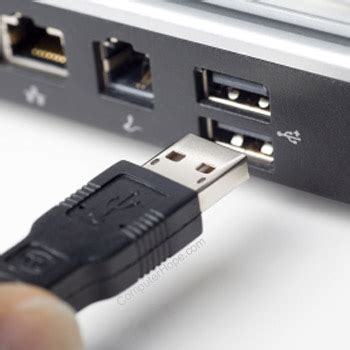
- Connection Issues: Ensure the USB cable is securely connected to both the tablet and your computer. Try a different USB port on your computer, as some ports may have power delivery issues or be faulty.
- Driver Conflict: As mentioned, an older or corrupted driver can prevent detection. A clean installation is crucial here.
- Hardware Malfunction: In rare cases, the tablet itself or its USB cable might be faulty. Testing with a different USB cable or on another computer can help diagnose this.
- Antivirus/Firewall Interference: Occasionally, security software might mistakenly identify the driver as a threat and block its operation. Temporarily disabling your antivirus or firewall (with caution) can help determine if this is the cause. If it is, you'll need to configure your security software to allow the XP-Pen driver.
Pen Input Lag or Jitter
Lag (delay between pen movement and screen response) and jitter (unwanted shaky lines) are frustrating issues that can severely impact drawing precision.
- System Performance: Ensure your computer is not overloaded with other demanding applications. Close unnecessary programs to free up system resources.
- Graphics Settings: Some in-game or application-specific graphics settings can interfere with input devices. Check your creative software's preferences for any relevant settings.
- Driver Settings: Experiment with the driver's performance settings. Sometimes, reducing polling rates or disabling certain advanced features can improve responsiveness, though this might come at the cost of some precision.
- Refresh Rate: While less common, an extremely high monitor refresh rate can sometimes contribute to input lag in certain configurations.
Pen Buttons Not Working
If the buttons on your XP-Pen stylus are not functioning as expected, even after being configured in the driver:
- Driver Configuration: Double-check the button mapping within the XP-Pen driver settings. Ensure the correct functions are assigned.
- Software Conflict: Some applications might override the driver's button assignments. Verify if the issue occurs across all applications or only specific ones.
- Hardware Issue: The physical buttons on the stylus might be damaged or malfunctioning.
When Standard Solutions Fail: Seeking Further Assistance
If you have meticulously followed all the troubleshooting steps above and are still experiencing persistent issues with your XP-Pen driver controller support, it's time to escalate your efforts.
Consulting Online Resources and Forums
The XP-Pen community is a valuable resource. Many users have encountered and resolved similar problems. Searching online forums, Reddit communities dedicated to digital art, and XP-Pen's own support forums can often yield solutions or workarounds. Look for discussions related to your specific tablet model and operating system.
Contacting XP-Pen Official Customer Service
If all else fails, contacting XP-Pen official customer service is the recommended next step. When you reach out, be prepared to provide detailed information about your problem. This includes:
- Your specific XP-Pen tablet model.
- Your operating system version (including build number if possible).
- The exact version of the XP-Pen driver you have installed.
- A clear description of the issue you are experiencing.
- A comprehensive list of all the troubleshooting steps you have already attempted.
Providing this information upfront will significantly expedite the support process and help the customer service team diagnose and resolve your issue more efficiently. They may be able to provide specific software patches, advanced diagnostic tools, or guide you through hardware-related troubleshooting.
How To Fix XP Pen No Signal (What Should You Do To Troubleshoot XP Pen Has No Signal?)
By systematically working through these troubleshooting steps, users can effectively address most XP-Pen driver controller support issues, ensuring their digital art tools function reliably and allow their creativity to flow unimpeded. The key lies in a methodical approach, starting with the basics and progressively moving towards more complex solutions, always prioritizing a clean and up-to-date software environment.