Adobe Photoshop stands as a cornerstone in the realm of digital art and design, offering a vast canvas for creativity and technical exploration. For students, particularly those in middle and high school, gaining proficiency in Photoshop is not just about learning software; it’s about developing critical thinking, problem-solving skills, and a visual literacy essential in today's media-rich world. This guide delves into various educational approaches and projects designed to introduce and advance students' capabilities in this powerful image-editing software, catering to a range of skill levels and learning objectives, from foundational understanding to preparation for industry certifications.
Laying the Foundation: Core Concepts and Interface Exploration
Before diving into complex projects, a solid understanding of Photoshop's fundamental interface and tools is paramount. Many curricula begin with introductory lessons that focus on navigating the application frame, creating and saving documents, and understanding the critical role of guides and rulers. These initial steps build a strong base for future creative and technical endeavors. Essential concepts such as layers, blending modes, and alignment are systematically introduced, often through slow-paced tutorials. These foundational bundles are designed for students new to Adobe programs or for teachers who are introducing computer graphics or digital art for the first time, providing a comprehensive overview of basic tools and panels.
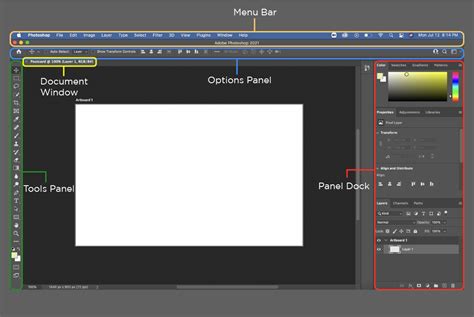
The goal of these early lessons is to demystify the software, making it accessible and less intimidating. By recreating a model image, students learn Photoshop fundamentals through practical application. This approach ensures that learners can confidently move on to more intricate projects, equipped with the knowledge of how to manage their workspace and manipulate elements effectively. The Lesson Mentor Workbook, for instance, includes beginner Photoshop slow-paced tutorial lesson plans with exit ticket/quiz questions, completed examples, blank tutorial worksheets, and grading rubrics, ensuring a structured learning experience.
Building Blocks: Essential Tools and Layer Functions
As students progress, the focus shifts to mastering the core tools and essential layer functions that form the backbone of Photoshop's power. Understanding how layers work-their creation, manipulation, and interaction-is a critical step. This includes exploring concepts like blending, opacity, and layer masks, which allow for non-destructive editing and complex compositing. These foundational bundles often cover topics such as navigating the application frame, creating and saving documents, using guides and rulers, understanding layers, blending, and alignment.
The intermediate Photoshop bundles delve deeper into essential design techniques such as masking, cropping, blending, and creative color manipulation. Students learn the difference between layer and clipping masks, how to crop with precision, fade and blend images, combine vector and raster elements, and explore powerful color-editing tools. Each lesson in these bundles is typically complete with a detailed lesson plan, presentation slides, guided Photoshop files with visuals and written instructions, offering a rich learning environment.
The ULTIMATE Guide To Layers In Photoshop (FREE Masterclass)
Creative Exploration: Projects for Skill Development
With a grasp of the fundamentals, students can embark on a variety of engaging projects that foster creativity while reinforcing technical skills. These projects are often designed to be highly visual, with step-by-step tutorials, GIF demonstrations, and all the necessary resources to help students build real Photoshop skills.
1. Abstract Photo Weaving and Digital Collages:Students can create abstracted images using either their own photos or stock images. Following included step-by-step instructions with screenshots, they can weave abstract photo designs. These projects are excellent for developing an understanding of color, texture, and composition, and they often result in unique, visually striking outcomes that students find highly satisfying. The "Digital Collage Photoshop Tutorial" specifically aims to ignite creativity by teaching essential techniques like layering, blending, and masking, enabling students to create stunning visual narratives by combining images, textures, and elements.
2. Zombie Portraits and Surrealism:For a more thematic approach, students can learn to transform portraits into zombie likenesses using various Photoshop tools, including searching for textures and blood effects online. This project not only hones Photoshop skills but also basic internet search capabilities and good technique. Similarly, surrealism projects encourage students to explore the concepts behind surrealist art and apply them to their own images, blending artistic exploration with technical execution. These lessons often review basic tools, panels, and shortcuts, serving as a great follow-up to introductory Photoshop lessons.

3. Andy Warhol Tribute and Color Manipulation:Inspired by the iconic artist, students can create Andy Warhol-style tribute images. This project teaches crucial skills such as using the Ruler Menu, cropping, and adjusting color balance, hue, and saturation. It provides a fantastic opportunity to understand color theory and its impact on an image. Teachers often allow students to use celebrity images if they are not comfortable with self-portraits, emphasizing flexibility and differentiation.
4. Album and Movie Poster Design:These projects task students with designing covers for existing albums or posters for movies. This approach integrates pop culture, increasing student buy-in, while teaching the basics of Photoshop and design principles. Students learn to work with typography, imagery, and layout to create compelling visual designs. These are often excellent introductory graphic design projects for upper middle school or high school art students.
5. 3D Manipulations and Car Design:For a more advanced challenge, students can learn to create 3D manipulations within Photoshop. Similarly, projects focusing on car design, particularly rim design, can introduce students to intricate detail work and precise editing techniques within the software. These projects are often ready for modification to fit the needs of students for future sequenced lessons.
Preparing for the Future: Industry Certification and Professional Design Thinking
Beyond creative projects, Photoshop education can also be geared towards preparing students for industry standards and professional certifications, such as the Adobe Certified Professional (ACP) exam.
1. Graphic Design Principles and ACP Preparation:Specific lesson plans focus on helping students think like professional designers before they even open Photoshop. These 5-day lesson plans emphasize purpose, audience, and image planning, aligning with ACP exam domains. They teach students how to analyze purpose, identify audience, and plan images before editing begins, making them ideal for CTE and Graphic Design courses.
2. Industry Certification Practice:Comprehensive practice guides are available that include simulation questions inspired by certification tests. Students can follow along independently using provided practice files and video tutorials that demonstrate how to complete each simulation task step by step. Teachers can download these resources for previewing and lesson planning, ensuring students are well-prepared for the exam. The Adobe Photoshop Industry Certification Practice Guide, for example, offers access to sample simulation questions and linked practice files and video tutorials.

3. Understanding Photoshop Fails and Critical Analysis:An innovative approach involves analyzing "Photoshop Fails"-real-life examples of image manipulation gone wrong. By examining these instances, students can develop a critical eye for digital media, understanding the impact of poor editing and the importance of technical accuracy and ethical considerations in image manipulation. This resource often includes original images followed by slides highlighting the errors, fostering analytical skills.
Advanced Techniques and Specialized Skills
As students gain confidence, they can explore more advanced techniques and specialized areas within Photoshop.
1. Photo Retouching:Bundles dedicated to professional-level photo retouching equip students with essential tools like the Spot Healing Brush, Patch Tool, Clone Stamp, and Liquify. They practice advanced techniques such as skin softening, eye enhancement, and subtle facial adjustments, culminating in summative exams to reinforce skill mastery.
2. Digital Painting and Brush Tools:For students interested in illustration and digital art, lessons on digital painting introduce paint mixing, working with layers, and using tools like the Color Replacement Tool. Creative-focused bundles explore the power of color and brush tools, including adjustment layers, selecting cohesive color schemes, and customizing brushes for digital blending.
3. Filters and Effects:Exploring Photoshop's advanced filters and effects allows students to stylize and transform images with precision. Lessons cover tools like the Adaptive Wide Angle Filter, Lens Correction, Vanishing Point, Artistic Filters, and Motion/Field Blur, pushing the boundaries of creativity from technical corrections to imaginative visual effects.
4. Typography and Text Effects:Typography is a crucial element of design. Students can explore the art and impact of typography in Photoshop, learning about textured text, eye-catching effects, warped and path-based type, and creative projects that blend imagery and lettering for expressive visual storytelling.
Adaptability and Accessibility
Recognizing diverse learning environments, many Photoshop lesson plans are designed for flexibility. They are suitable for independent, student-led learning or teacher-directed instruction. Projects are often simplified enough to serve as sub plans or for early finishers, providing a week's worth of ready-to-go activities that students can independently complete. Furthermore, the availability of resources in both English and Spanish, such as the Lesson Mentor Workbook's worksheets, broadens accessibility. The emergence of web-based Photoshop versions also allows for direct browser-based learning, reducing the need for software installation in some contexts.
Ultimately, teaching Adobe Photoshop in the 3rd-grade to high school level is about more than just software proficiency. It’s about nurturing creativity, fostering critical thinking, developing visual literacy, and preparing students for a future where digital media plays an increasingly vital role. Whether through introductory exercises, complex creative projects, or rigorous certification preparation, Photoshop education empowers young learners to become confident digital creators and innovators.