Adobe Photoshop stands as a titan in the realm of digital graphics, photo editing, and design. Before embarking on the installation journey, understanding the system requirements is paramount to ensure your hardware can adequately support its functionalities. This guide aims to provide a comprehensive overview, with a particular focus on the nuances of Adobe Photoshop 7 and its compatibility with various systems, including older hardware. Adobe consistently updates its software, and it's always advisable to consult the latest specifications for the newest versions. However, for those interested in the capabilities and requirements of Photoshop 7, this exploration delves into its historical context and practical usability.
Understanding the Foundation: Core System Components
To ensure Adobe Photoshop functions optimally, particularly when leveraging advanced features such as RAW processing, AI-driven tools, or managing extensive PSD files, adequate hardware is essential. The choice of an operating system (OS) plays a role, but its impact on Photoshop's performance is often secondary to other components. For Windows users, the latest iterations of Photoshop typically require Windows 10 (64-bit) or newer; older versions like Windows 7 may no longer be supported. On a Mac, users can check their system’s CPU, memory, and GPU information via the Apple menu by selecting "About This Mac."
The processor (CPU) is a critical determinant of Photoshop's performance. Historically, Intel CPUs were favored, but in contemporary usage, the distinction between Intel and AMD processors for Photoshop has become less pronounced. For instance, AMD's 5600X has been noted as a strong contender in terms of price and performance. It's important to note that Photoshop's ability to utilize multiple CPU cores for performance gains is limited, meaning a higher-end CPU doesn't always translate to a proportional boost in speed.
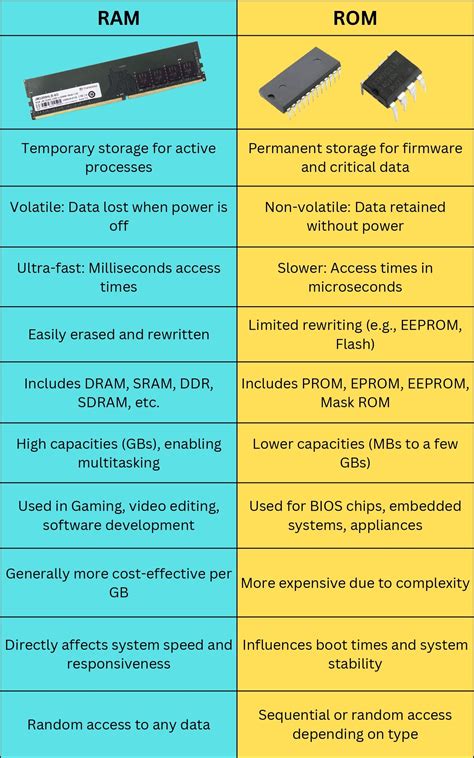
Memory (RAM) is arguably the most crucial component for any creative software, including Adobe Photoshop. Prioritizing quantity over speed is generally recommended. Features like higher frequencies, latency, or RGB lighting on RAM modules are less significant than the total amount available. When considering RAM, it's often strategic to opt for two sticks of memory (e.g., two 8 GB sticks for a total of 16 GB) rather than four smaller ones. This approach offers greater flexibility for future upgrades to a higher total capacity, such as 32 GB. Insufficient RAM will force Photoshop to utilize disk space as virtual memory, a process that significantly degrades performance. Working with large image files or high-resolution photos inherently demands more RAM.
While Photoshop's reliance on a dedicated graphics card (GPU) has increased with hardware-accelerated features, it's not always the primary bottleneck, especially for users on a budget. In such cases, a CPU with integrated graphics might suffice, with the understanding that a dedicated GPU can be a future upgrade. For general Adobe Photoshop performance, the difference between a high-end and a mid-range graphics card is often negligible.
Storage is another key area. Swapping a traditional Hard Disk Drive (HDD) for a Solid-State Drive (SSD) can dramatically improve Photoshop's performance. SSDs offer significantly faster read and write speeds, which can expedite application loading times and file operations. While installing Photoshop directly onto an SSD might not yield a massive performance boost in itself, the overall system responsiveness, especially when Photoshop utilizes scratch disks, is greatly enhanced. Scratch disks are employed by Photoshop when RAM is exhausted, and having ample free space on a fast SSD is crucial for smooth operation. It's also worth noting that SSD performance can sometimes degrade as they become more full, with some users reporting slower speeds when an SSD is over 50% capacity.
Adobe Photoshop 7.0: A Look Back at Specific Requirements and Performance
Adobe Photoshop 7.0, a classic in its own right, introduced essential tools that revolutionized digital editing. Features like the Healing Brush and File Browser were groundbreaking for their time, offering intuitive ways to correct imperfections and manage image assets. The interface of Photoshop 7.0 is noted for its clarity and ease of navigation, making it an accessible entry point for newcomers to image editing.
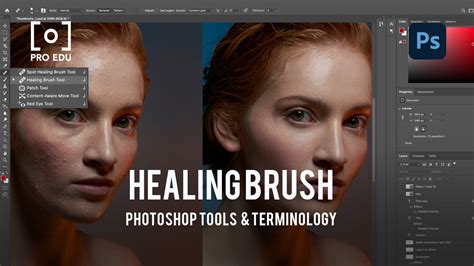
The Healing Brush and Patch Tool in Photoshop 7.0 were particularly significant, enabling users to seamlessly fix blemishes and wrinkles. While these tools remain functional, they lack the advanced AI-powered precision found in modern versions. The layer system in Photoshop 7.0 was a standout feature, facilitating non-destructive editing, a fundamental principle in professional image manipulation. This means changes can be made without permanently altering the original image data.
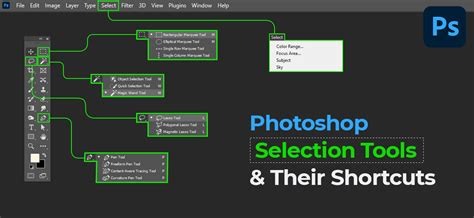
A highly practical feature of Photoshop 7.0 was its File Browser. This utility allowed users to view, organize, sort, and perform batch renaming of images without the need to open each file individually. The Brush Tool in this version was also quite versatile, offering options for custom brush creation and the simulation of various artistic styles, such as charcoal and pastels. For selections, Photoshop 7.0 provided a range of tools including the Lasso, Magic Wand, and Quick Selection. These tools are effective for straightforward selections but can present challenges with complex subjects like hair or transparent elements. The software also supported common web-friendly image formats like JPEG, PNG, and GIF.
Customization was also a consideration in Photoshop 7.0. Users could configure toolbars, design custom brushes, and save personalized workspace layouts. In its era, Photoshop 7.0 was lauded for its speed and reliability. However, when run on contemporary hardware, it can exhibit sluggishness.
System Requirements for Photoshop 7.0 (circa its release):
- Operating System: Windows XP, Mac OS 9.x (specifically later versions of OS 9, not just 9.0), and early versions of Mac OS X.
- Processor: PowerPC G3, G4, or G4 dual processor (for Mac). For Windows, a Pentium II or equivalent processor was generally recommended.
- RAM: 128 MB of RAM (256 MB or more recommended).
- Hard Disk Space: Approximately 300 MB of available hard disk space.
- Display: 800x600 resolution display with 16-bit color.
It's important to note that while Photoshop 7.0 was designed for operating systems of its time, users have reported success in running it on more recent operating systems, albeit with potential compatibility issues and performance limitations. For instance, a user reported successfully installing and running Photoshop 7 on a Power Macintosh 7300/200 running Mac OS 9.1. While the launch time on such older hardware might be around 20 seconds, the application's performance once loaded was described as "snappy and responsive" for more involved image manipulation tasks.
Adobe Photoshop 7 0 installation Setup On Windows 11
Navigating Modern Systems with Older Software
The landscape of computing has evolved dramatically since the release of Photoshop 7.0. Modern systems, with their vastly superior processing power, memory capacities, and storage speeds, present a unique scenario when running older software. While Photoshop 7.0 can feel slow on new systems when compared to its contemporary performance, its core functionalities remain intact.
Running Photoshop 7.0 on a modern Windows 10 (64-bit) system, for example, might require compatibility mode settings. The operating system itself is no longer the primary constraint; rather, the software's architecture, which was built for older hardware and OS environments, can lead to inefficiencies. This can manifest as longer launch times or occasional stutters during complex operations. However, for basic, offline editing tasks, Photoshop 7.0 can still be a viable option, especially for users who prefer a one-time purchase over a subscription model.
The absence of modern features, particularly those powered by artificial intelligence, is a significant consideration. Tools like advanced content-aware fill, sophisticated AI-driven selections, and neural filters are exclusive to newer versions of Photoshop. These advancements are often enabled by cloud computing and more powerful, specialized hardware.
The Evolution of Features: From Photoshop 7 to Creative Cloud
The features that made Photoshop 7.0 a game-changer are now considered foundational. The layer system, essential for non-destructive editing, remains a core component of all Photoshop versions. The Healing Brush and Patch Tool, while still present, have been augmented by more intelligent and automated solutions in later iterations. Selection tools have also seen significant enhancements, with newer versions offering more precise control, especially for intricate details like hair.
Modern versions of Photoshop, available through Adobe Creative Cloud, offer a vastly expanded feature set. This includes advanced 3D modeling capabilities, sophisticated video editing tools, and a plethora of AI-powered features that automate complex tasks and unlock new creative possibilities. The integration with other Adobe Creative Cloud applications also streamlines workflows for professionals working across multiple disciplines.
The system requirements for the latest versions of Photoshop, accessed via Creative Cloud, are considerably more demanding. They emphasize powerful multi-core processors, substantial amounts of RAM (16 GB or more recommended), and fast SSD storage. A dedicated GPU with ample VRAM is also highly recommended for optimal performance with graphically intensive tasks and hardware-accelerated features.
Considerations for Older Devices and Lighter Solutions
For users with older computers that cannot meet the demands of modern Photoshop versions, or for those seeking a simpler, offline editing experience, Photoshop 7.0 presents a nostalgic yet functional choice. It's crucial to manage expectations regarding performance and feature availability. If the primary need is basic image adjustments, cropping, and color correction without the complexities of subscription services or cutting-edge technology, Photoshop 7.0 can still serve its purpose.
Alternatively, the market offers lighter image editing solutions that are more forgiving on older hardware. These might include applications focused on specific tasks or general-purpose editors with a smaller footprint. However, for users who are already familiar with the Photoshop ecosystem, sticking with an older, compatible version like Photoshop 7.0 can be a pragmatic decision, provided their workflow does not necessitate the advanced capabilities of newer releases.
It is important to reiterate that the latest versions of Photoshop integrate with Adobe's online services. These services are available to users aged 13 and above and require agreement to additional terms of use and Adobe's privacy policy. Online services are not universally available in all countries or languages and may be subject to change or discontinuation without notice. User registration may also be required, and additional fees or subscription charges might apply.
In conclusion, while Adobe Photoshop 7.0 represents a significant milestone in digital imaging software, its system requirements are a reflection of its era. For modern computing environments, understanding these historical requirements, alongside the capabilities and demands of current versions, is key to making informed decisions about software installation and hardware compatibility. Whether opting for a classic like Photoshop 7.0 for basic offline editing or investing in the latest Creative Cloud suite for advanced functionalities, aligning system resources with software needs remains a fundamental principle for a smooth and productive user experience.
tags: #adobe #photoshop #7 #system #requirements