Adobe Photoshop CS6, a once-revered iteration of Adobe's flagship image editing software, continues to hold a place in the hearts of many creative professionals and hobbyists. While newer versions under the Creative Cloud (CC) umbrella have introduced a plethora of advanced features, the enduring appeal of CS6 stems from its robust functionality, a familiar interface for long-time users, and a preference for perpetual licensing models over subscriptions. This exploration delves into the specifics of Photoshop CS6, its capabilities, and the complexities surrounding its download and acquisition in the current technological landscape.
The Enduring Power of Photoshop CS6
Photoshop CS6, released as part of the Creative Suite line, represented a significant evolution in digital imaging. It was built upon a foundation of industry-leading tools, offering unparalleled control over image manipulation, graphic design, and multimedia creation. The software was renowned for its comprehensive suite of editing features, allowing for granular control over images. Users benefited from layer-based workflows, advanced selection tools, retouching brushes, and masking options that were essential for high-end photo manipulation.
The performance of Photoshop CS6 was generally reliable, particularly when handling medium-sized files and standard editing tasks. It provided smooth real-time previews and efficient export routines. A key innovation was the Mercury Graphics Engine, which delivered near-instantaneous results when utilizing critical tools such as Liquify, Puppet Warp, and Crop. This engine was instrumental in providing a responsive and fluid work environment, significantly enhancing user productivity.
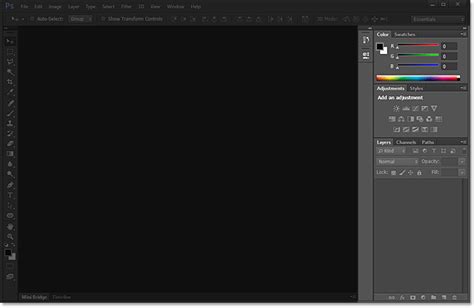
New and re-engineered design tools were a hallmark of CS6, enabling users to create superior designs at an accelerated pace. The interface itself received a significant refinement, featuring a fresh, elegant design with dark background options that made images stand out. This modern UI, coupled with the performance enhancements, contributed to a more efficient and enjoyable user experience.
Key Features and Innovations in CS6
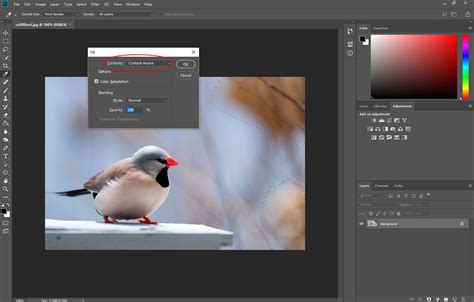
Photoshop CS6 introduced several groundbreaking features that solidified its position as the leading image editing software of its time. Among these was Content-Aware Patch, the newest member of the Content-Aware family of technologies. This powerful tool allowed users to patch images with greater control by selecting a sample area and then watching as Content-Aware Patch magically blended pixels for a stunning, seamless result. This was a significant leap forward in automated image repair and manipulation, enabling users to remove unwanted objects or blemishes with unprecedented ease and quality.
The software also boasted new and re-engineered design tools, which were crucial for graphic designers. These tools streamlined the creation of superior designs, making complex tasks more accessible. The refined, fresh, and elegant Photoshop interface with its dark background options was not merely an aesthetic improvement; it was designed to enhance focus on the artwork by reducing visual distractions.
For those working with complex images and demanding edits, the blazingly fast performance powered by the Mercury Graphics Engine was a game-changer. This engine ensured that key tools delivered near-instant results, minimizing the frustration of waiting for operations to complete. This improved editing speed created a responsive and fluid work environment, allowing for more iterative and experimental workflows.
Furthermore, CS6 introduced enhanced stability and performance. As an innovative photo editing software, Adobe consistently sought to provide users with new features and bug fixes. The CS6 Update, an official patch, focused on ensuring Photoshop didn't stop unexpectedly during editing. This addressed critical stability issues, solved known bugs, and fixed security vulnerabilities. It also improved the functionality of various tools, including drawing, graphics, and 3D functions.
The auto-recovery tool was another significant productivity booster. It automatically saved edits every 10 minutes, ensuring that progress was not lost in the event of an unexpected shutdown or system crash. This feature provided peace of mind for users working on extensive projects, preventing the need to restart extensive editing sessions.
Notable changes were also made to text settings. The update offered transformed layers with new settings for characters and paragraphs, addressing issues with saving multi-line text in PDF files and providing more predictable slider controls. The ability to paste 'lorem ipsum' text as a block automatically was a small but convenient addition for designers working with layout mockups.
System Requirements for Photoshop CS6
To ensure optimal performance and compatibility, Adobe Photoshop CS6 had specific system requirements. For Windows, a 1GHz or faster processor (Intel Pentium 4 or AMD Athlon 64) was recommended. The operating system support included Microsoft Windows XP with Service Pack 3 or Windows 7 with Service Pack 1. A minimum of 1GB of RAM was required, with 2GB or more recommended for optimal performance. For installation, 1GB of available hard-disk space was needed, with additional free space required during the installation process. A display resolution of 1024x768 (1280x800 recommended) with 16-bit color and 256MB of VRAM (512MB recommended) was necessary. Support for OpenGL 2.0-capable systems was also a requirement. A DVD-ROM drive was listed as a packaging detail, reflecting the distribution method at the time.
It is crucial to note that software activation, validation of subscriptions, and access to online services required a broadband Internet connection and registration. Phone activation was not available for CS6.
The Download Dilemma: CS6 vs. CC and the Question of "Crack" Downloads
The term "Adobe Photoshop CS6 crack download" immediately brings to mind a complex and often illicit digital landscape. It's important to distinguish between legitimate acquisition methods and unauthorized distribution.
Understanding the "Crack" Phenomenon
A "crack" in software terms typically refers to a method of bypassing software protection mechanisms, such as license verification or activation requirements, to use the software without paying for it. Downloading cracked software is illegal and carries significant risks. These risks include:
- Malware and Viruses: Cracked software downloads are frequently bundled with malicious software, including viruses, spyware, and ransomware. These can compromise your system, steal personal data, or encrypt your files for ransom.
- Legal Repercussions: Distributing or using cracked software is a violation of copyright law and can lead to legal action.
- Unstable Software: Cracked versions are often incomplete, unstable, and prone to crashing. They may lack essential features or function incorrectly.
- No Updates or Support: Users of cracked software cannot receive official updates, security patches, or technical support from Adobe.
5 Reasons Not to Download Cracked Software
Legitimate Ways to Obtain Photoshop CS6 (Legacy)
Adobe officially ended the Creative Suite line with CS6. While Adobe no longer sells CS6 directly, it is possible to find legitimate copies through specific channels, though this is becoming increasingly difficult. The information provided in the user's query highlights a crucial point: "Even if you find a download, your student serial number will not work with any other download… you MUST use your original disc or download." This underscores the importance of using legitimate installation media and serial numbers tied to the original purchase.
For existing customers who previously purchased Photoshop CS6, the Adobe Photoshop CS6 Update is a free patch to update their installed software. This update is free for users who already have the photo editing app installed on their device. It fixes various bug issues, offers stability improvements, and enhances overall performance.
The Shift to Creative Cloud (CC)
Adobe transitioned from the perpetual license model of the Creative Suite to a subscription-based model with Creative Cloud (CC). Photoshop CC has long been the preferred choice for creative professionals and hobbyists needing photo editing, graphic design, and multimedia tools. It excels in creative workflows, providing precise control over layers, selections, and effects, and features cloud integration for collaboration, asset syncing, and team projects.
The core difference between Adobe Photoshop Creative Suite (CS6) and Creative Cloud (CC) lies in the payment model and cloud capabilities. Adobe ended the Creative Suite line with CS6 and launched all-new CS tools under the CC name. Photoshop CC offers a desktop application, making file sharing easier. However, people who prefer the traditional licensing model often lean towards CS6.
Comparing CS6 and CC: A Tale of Two Eras
The evolution from Photoshop CS6 to Photoshop CC represents a significant shift in software delivery, features, and user experience. Understanding these differences is crucial for anyone deciding which version best suits their needs.
Licensing and Accessibility
The most apparent distinction is the licensing model. CS6 was available under a perpetual license, meaning users bought it once and owned it indefinitely. This appealed to individuals and organizations who preferred a one-time purchase and avoided ongoing subscription fees. In contrast, Photoshop CC operates on a subscription basis, requiring a monthly or annual payment to access the software and its continuous updates. While this model provides access to the latest features and cloud services, it means users never truly "own" the software in the traditional sense.
Feature Set and Innovation
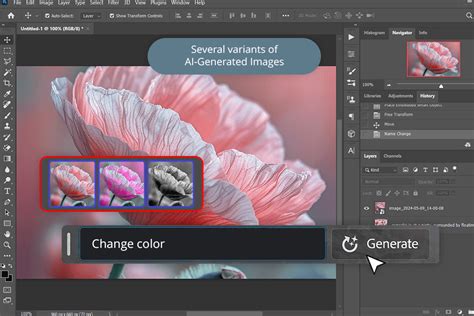
Photoshop CC has consistently received updates that introduce new features and refinements, leveraging advancements in technology. One of the most significant recent additions is the integration of AI-powered creative enhancements with Adobe Firefly. Recent updates to Adobe Photoshop CC introduce powerful generative AI features powered by Adobe Firefly that significantly boost creative capabilities. These include improved Generative Fill and Generative Expand tools that let users quickly create or revise complex image elements with realistic results using simple prompts. Users can now tweak backgrounds, generate image variations, and even control texture and style with AI assistance, accelerating workflows for artists at every skill level. Such AI-driven tools are part of Adobeâs broader push to embed commercially safe, generative models directly into core creative apps.
While CS6 offered a robust set of tools for its time, it lacks these advanced AI capabilities and the continuous stream of new features that CC users benefit from. CC also offers expanded Creative Cloud Pro benefits, providing subscribers with access to a broader suite of performance and workflow enhancements across Creative Cloud apps. This includes access to more than 30,000 fonts, unlimited library storage, and millions of high-resolution stock assets.
Performance and System Demands
Photoshop CS6 was optimized for the hardware of its era. Its performance in the program is generally reliable when handling medium-sized files and standard editing tasks, providing smooth real-time previews and export routines. However, complex projects with many layers, high-resolution images, or intricate adjustments can occasionally slow down, particularly on systems with limited memory.
Photoshop CC, with its more advanced features and AI integrations, often demands higher system resources. While it also boasts performance improvements, particularly in areas like selection and masking, it can be more resource-intensive, especially on older or less powerful machines. The system requirements for CC are generally higher than for CS6, reflecting the increased complexity and capabilities of the software.
Cross-Platform Availability
A significant development for CC is its expansion beyond desktop. Photoshop comes to mobile and the web, with new mobile and web versions designed to bring powerful image editing tools to phones and browsers. These versions include core Photoshop functionality such as layering, masking, precise selections, and headline features like Firefly-powered generative editing, allowing creators to start and continue projects on the go. This cross-platform flexibility is ideal for artists who need to work seamlessly between desktop, mobile, and browser environments, expanding where and how creative work can be done. CS6, by contrast, was primarily a desktop application.
Alternatives to Photoshop CS6 and CC
While Photoshop has long dominated the professional image editing market, several alternatives exist, catering to different needs and budgets.
- Adobe Photoshop CC: For those who require the industry-standard toolset and can accommodate a subscription model, CC remains the most powerful option.
- Adobe Lightroom: If your primary focus is photo management and non-destructive editing, Lightroom offers a streamlined workflow specifically for photographers.
- Photoscape: This is a popular free photo editing software that offers a good range of basic to intermediate editing tools, making it a viable option for casual users.
- GIMP (GNU Image Manipulation Program): A powerful, free, and open-source alternative to Photoshop, GIMP offers a comprehensive feature set that rivals many commercial applications, though its interface can have a steeper learning curve for those accustomed to Adobe products.
- Affinity Photo: This professional-grade photo editor offers a one-time purchase model and is often lauded for its performance and feature set, making it a strong competitor to Photoshop CC.
Conclusion: The Legacy and Future of Photoshop
Adobe Photoshop CS6 remains a dependable choice for users who need professional photo editing, deep creative control, and broad format support, especially those who prefer a perpetual license. The game offers unmatched flexibility for image adjustments, design work, and creative tasks, though its complexity and hardware demands can challenge beginners or casual users. The CS6 Update is essential for existing users to maintain stability and performance.
However, the future of professional image editing clearly lies with the ongoing development of Adobe Photoshop CC. Its continuous innovation, AI-powered features, and cross-platform accessibility position it as the leading-edge tool for creators. The decision between CS6 and CC ultimately hinges on individual needs, budget, and a preference for either a traditional software ownership model or a continuously evolving subscription service. For those seeking the latest advancements and integrated cloud workflows, Photoshop CC is the clear path forward. For those tied to legacy systems or specific workflows, understanding the limitations and acquisition challenges of CS6 is paramount.