The Linux ecosystem has long been a beacon for open-source enthusiasts and developers, offering a robust and customizable operating system. However, for a significant period, a notable chasm existed in professional-grade creative software availability. While powerful tools like Inkscape, GIMP, and Darktable have been cornerstones of the Linux creative landscape, they have often been perceived as lacking certain advanced features or possessing workflows that felt less refined compared to their commercial counterparts. This has historically posed a challenge for designers, publishers, and photographers looking to fully embrace Linux for their professional endeavors.
Fortunately, the landscape is rapidly evolving. In recent years, dedicated developers have been making significant strides in enabling professional creative suites to function within Linux environments. A particularly exciting development has been the successful porting of the Affinity suite, a powerful collection of creative applications, to Linux through the use of Windows compatibility layers. This has opened up new possibilities for users seeking high-end design and publishing tools without leaving their preferred operating system.
The Journey of Affinity on Linux
For those who have been following this progress, the ability to run Affinity Photo, Publisher, and Designer on Linux has been a cause for celebration. These applications, known for their professional capabilities and competitive pricing, have been made accessible through software like Lutris and Wine. Lutris, a free and open-source gaming and application manager for Linux, combined with Wine, a compatibility layer that allows Windows applications to run on Unix-like systems, has provided a pathway for these Windows-native programs to function effectively on Linux.
The user experience with these tools has often been described as reaching a "good standard." This means that for many, the core functionalities and essential features of Affinity applications have been fully operational, allowing for a significant portion of professional creative work to be undertaken on Linux. This has been a crucial step in democratizing access to professional creative software for the Linux community.
Affinity Studio: A Unified Vision for Linux
The recent announcement of Affinity Studio, which merges Affinity Photo, Publisher, and Designer into a single, unified application, has further amplified this positive trend. Early observations suggest that this consolidated application not only maintains the high standard of functionality but also feels "slightly lighter" in performance on Linux. This is a significant advantage, as it streamlines the installation process. Instead of managing and installing three separate applications through a compatibility layer, users now only need to install one. This simplification is expected to substantially contribute to the broader adoption of Linux within the creative sector.
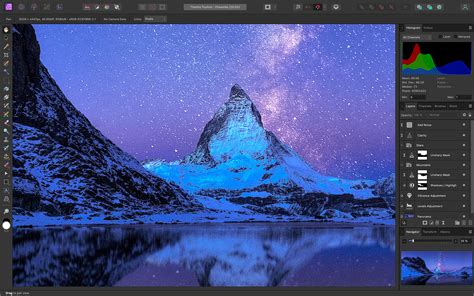
The process of getting Affinity Studio up and running on Linux, as detailed in accompanying video resources, typically involves a few key components. Users will need to install Lutris, an instance of Wine (such as Elementary Wine, which is often optimized for user-friendliness), a specific installation script designed to facilitate the process, and of course, the Affinity Studio application itself, downloaded from the official Affinity website. While this might sound technical, the availability of detailed guides and scripts makes the process increasingly accessible to a wider range of users, not just seasoned Linux veterans.
A New Business Model and Evolving Creative Tools
Adding to the excitement, Affinity Studio is now available for free. This shift in business model, with a focus on add-ons and AI integrations, alongside the established core tools, represents a forward-thinking approach by the developers. This strategy aligns with broader industry trends, where platforms like Canva are also exploring similar avenues. Importantly, this new model does not compromise the beloved standard tools that users have come to rely on. In fact, the introduction of a few new features further enhances the creative capabilities offered by the suite.
The Future of Creative Workstations and Linux
The prospect of running sophisticated creative software like Affinity Studio on Linux is deeply resonant for those who envision a future of greater user control over their computing environment. While a Mac M1 Studio might serve as a daily driver for some, the dream of building custom hardware and operating systems, free from the dominance of major corporations like Apple and Microsoft, is a powerful motivator. The progress made with Affinity on Linux suggests that this day is indeed drawing nearer, with the potential for Linux to become a truly viable and mass-adopted platform for creative professionals in the coming years.
The current landscape, where established players like Apple and Adobe might be seen as "selling snow to the Eskimos," highlights a market ripe for disruption. The Affinity suite, now unified and accessible on Linux, represents a significant part of this disruption. For many, a substantial portion of their printing work has already transitioned from Adobe's Photoshop, Illustrator, and InDesign to the Affinity suite.
Addressing the Photography Gap
One area that still presents a clear need for a robust, Linux-friendly solution is in professional photography software. While Affinity Photo offers excellent image editing capabilities, a dedicated, uncompromised Lightroom replacement remains a sought-after tool. In this regard, "Rapidraw" is identified as a Linux-friendly application to watch in the photography space. The continued development and adoption of such tools are crucial for making Linux a fully comprehensive platform for all aspects of creative professional work.
The journey of professional software on Linux is a testament to the power of community-driven development and the increasing demand for open and customizable operating systems. With each advancement, the barriers to entry for creative professionals looking to embrace Linux continue to diminish, paving the way for a more diverse and innovative future in digital creation.