Big K.R.I.T. has emerged as a truly exciting force in hip-hop, a statement built upon the unwavering quality of his musical output. Hailing from Mississippi, this artist has redefined the concept of a mixtape, consistently delivering fully realized, original, and free projects that stand as classics in their own right. While earlier works like K.R.I.T. Wuz Here, Return of 4va, and 4Eva N A Day, alongside the often-overlooked Last King series, showcased his immense talent, the traditional path to stardom often hinges on an official label release. Live from the Underground, his debut studio album released on Def Jam, arrived after significant anticipation, partly due to delays stemming from sample clearance issues. This raised questions: how would this new-age underground king fare on a larger platform with a bigger budget? Had he held back his best material for this official debut? Would the pressure to achieve radio hits compromise his artistic integrity?
Fortunately, Live from the Underground demonstrates that Big K.R.I.T. has remained steadfast in his artistic vision, eschewing pandering to label demands. The album is a vibrant celebration of all things Southern, drawing heavily on the region's rich hip-hop heritage. Artists like OutKast, UGK, and Scarface serve as vital influences, not as direct imitators, but as foundational pillars upon which K.R.I.T. builds his unique sound. At 25, his formative years were shaped by a generation that revered these third-coast legends. Their influence is organically woven into his style, reflecting a deep commitment to bringing Southern hip-hop history back to the forefront of the genre. Each K.R.I.T. release offers a sonic journey, akin to a cool drive through the streets of mid-'90s Mississippi, with K.R.I.T. himself at the helm.
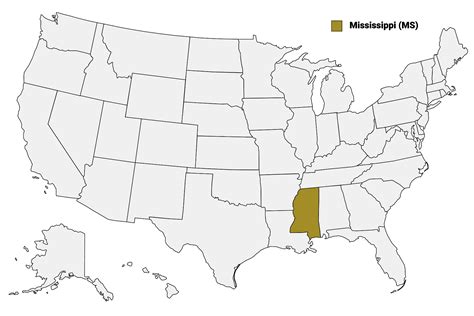
While Live from the Underground may not possess the expansive autobiographical scope of Return of 4va, it firmly establishes his roots from the outset. The track "Cool 2 Be Southern" serves as an early declaration of his identity, with lyrics like, "Ok I’m straight up off my grandmamma porch / Hollywood left, I took the southernized approach / Collard green pockets but I southern fried the flow / Candied yam drop with some cornbread to throw." This imagery, coupled with his transition from adolescence to a more mature career stage, signals his ambitious intentions.
In many respects, Live from the Underground feels like the natural culmination of Big K.R.I.T.'s early career. His lyrical abilities, sometimes subjected to unfair criticism, have shown continuous improvement, and the fluidity present on this album is particularly impressive. There are no overt attempts to chase radio singles, yet K.R.I.T. has always possessed a tuneful quality as a rapper, effortlessly weaving catchy hooks that are undeniably head-nodding. The first single, "Money on the Floor," exemplifies this, with K.R.I.T. delivering a lusciously smooth opening verse, laying down complex yet infectious bars that set an impossibly high standard for featured guests 8Ball and 2 Chainz. Furthermore, K.R.I.T. has expanded his vocal repertoire, competently handling hooks on the church-influenced title track and the bluesy highlight "Don't Let Me Down."
Lyrically, he continues to captivate. On last year's "Dreamin'," he lamented the lack of diversity in mainstream hip-hop, stating, "I ain’t rappin’ about dope nor did I sell it / I guess the story of a country boy just ain’t compelling." However, his rhymes are undeniably compelling, ranging from the anecdotal tales of rural life in tracks like "My Sub Part 2" and "I Got This" to nuanced character studies in "Don't Let Me Down." Big K.R.I.T. is a gifted storyteller who consistently avoids predictable territory.
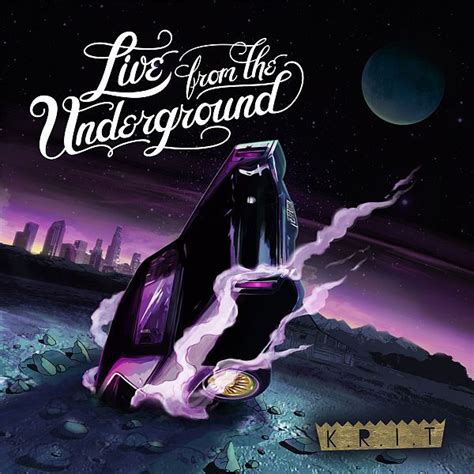
From a production standpoint, Live from the Underground delivers much of what fans have come to expect from Big K.R.I.T., who, as always, self-produces every track. He masterfully blends gospel, blues, jazz, and old-school R&B to craft his signature Southern sound. The arrangements are characterized by flowing, funky basslines, robust drum beats, and crisp snares, often punctuated by intricate guitar riffs and soulful saxophone sections. Echoes of Southern folklore, particularly the bluesmen's dealings with the Devil, can be heard in the weathered vocals of blues legend B.B. King on "Praying Man." He also enlists the consistently soulful Anthony Hamilton for the fresh love song "Porchlight." By opting for artists who genuinely complement his style rather than pursuing mainstream radio-friendly vocalists like Ne-Yo or Usher, K.R.I.T.'s decision-making is both refreshing and inspired. The album's only notable misstep is the frenetic "Yeah Dats Me," an unexpected and somewhat jarring attempt at '90s Miami bass rap.
Live from the Underground may not be the groundbreaking revolution some might have envisioned, but it comfortably resides alongside the other exceptional records crafted by its author. The album received generally positive reviews from critics. Adam Fleischer of XXL lauded Big K.R.I.T. for maintaining his "traditionalist Southern aesthetic" and "nuanced sociopolitical themes" from his mixtapes, while also providing the tracks with a "grounded sonic variety" where "sounds are individually diverse but complementary on the whole." He concluded that: "In a time of formulaic approaches to club and radio hits, Big K.R.I.T. is navigating a space of bluesy Southern hip-hop like no artist in recent memory. With Live from the Underground, through deeply authentic takes on his own life and surroundings, the 2011 XXL Freshman has found a way to create some of the most resonating, least selfish rap music around." Kyle Anderson of Entertainment Weekly noted: "With its feral lyrical hunger and playful production, Live From the Underground is the best distillation of the South since OutKast's rule-rewriting heyday." David Jeffries of AllMusic praised K.R.I.T. for maintaining "quality control at top level" on his debut, crafting "impeccable" beats and delivering a "precise and commanding" flow that effectively sells "his exploration of major-label life ('I Got This', 'My Sub')" while also venturing into "surprising pop experiments ('If I Fall', 'Praying Man')." His review concluded: "Live from the Underground winds up both an easy introduction to the man's talents and a crowd-pleasing effort with no stale sell-out aftertaste."
Big K.R.I.T. - "I Got This" Behind The Scenes
The album's production is a testament to Big K.R.I.T.'s multifaceted talent. He masterfully blends genres, creating a soundscape that is both deeply rooted in Southern tradition and forward-thinking. The interplay between gospel harmonies, bluesy guitar licks, jazz-infused melodies, and classic R&B structures forms the backbone of his production. This sonic tapestry is further enhanced by the rhythmic foundation of his beats - solid, often complex drum patterns that provide an irresistible groove, complemented by sharp snares that cut through the mix. The occasional flourish of an electric guitar or a soaring saxophone solo adds layers of texture and emotional depth, transforming each track into a fully immersive experience.
The lyrical content of Live from the Underground showcases Big K.R.I.T.'s growth as a storyteller and a commentator on the human condition. He navigates themes of ambition, identity, love, and the challenges of artistic integrity with a maturity that belies his age. His ability to paint vivid pictures with his words, drawing from personal experiences and observations, makes his narratives resonate deeply with listeners. Tracks like "My Sub Part 2" offer a glimpse into his personal life and aspirations, while "Don't Let Me Down" delves into more introspective territory, exploring vulnerability and the fear of failure. This lyrical depth, combined with his compelling delivery, elevates the album beyond mere hip-hop tracks to a collection of poignant reflections.
The album's critical reception underscores its significance in Big K.R.I.T.'s discography. Aggregate scores from sources like AnyDecentMusic? (6.8/10) and Metacritic (78/100) indicate a generally favorable reception. Reviews from publications such as AllHipHop (8.5/10) and XXL further solidify the album's standing. The consensus among critics was that Big K.R.I.T. successfully translated the raw energy and authentic spirit of his mixtapes to a major label platform, without compromising his artistic vision. The album's commercial performance, while perhaps not reaching the stratospheric heights of some mainstream releases, was solid, with chart placements on the Billboard 200, Top Rap Albums, and Top R&B/Hip-Hop Albums charts, indicating a dedicated and growing fanbase.
The decision to feature artists like B.B. King and Anthony Hamilton was a strategic one, demonstrating K.R.I.T.'s commitment to authentic Southern sounds. These collaborations are not mere guest spots; they are integral to the thematic and sonic fabric of the songs they appear on. B.B. King's legendary blues inflection on "Praying Man" adds a layer of gravitas and historical weight, connecting K.R.I.T.'s music to the deep roots of American blues. Similarly, Anthony Hamilton's soulful vocals on "Porchlight" provide a warm, inviting counterpoint to K.R.I.T.'s delivery, creating a track that feels both intimate and expansive. These choices highlight K.R.I.T.'s discerning ear and his ability to curate collaborations that genuinely enhance his artistic expression.
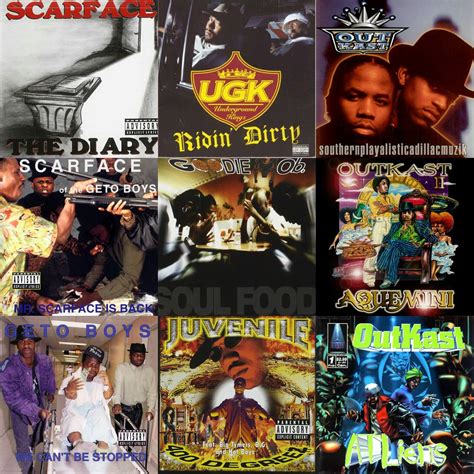
The impact of Live from the Underground extends beyond its critical and commercial success. It solidified Big K.R.I.T.'s position as a leading voice in contemporary Southern hip-hop, proving that artistic integrity and mainstream appeal are not mutually exclusive. His ability to craft music that is both deeply personal and universally relatable, grounded in his regional identity yet accessible to a global audience, is a rare and valuable gift. The album serves as a powerful example of how an artist can navigate the complexities of the music industry while staying true to their core values. It is a testament to the enduring power of authentic storytelling and innovative production in the ever-evolving landscape of hip-hop. The "country boy" narrative, far from being uncompelling, proved to be a rich source of inspiration, resonating with a broad audience seeking substance and sincerity in their music. The journey from the underground to a larger platform was not a compromise but a triumphant expansion of his established artistry.