The CMYK color model stands as the cornerstone of professional printing and packaging design, a stark contrast to the light-emitting RGB model prevalent in digital displays. This guide delves into the intricacies of CMYK, explaining its function, importance, and effective application in turning digital concepts into tangible, vibrant realities.
Understanding the Foundation: What is the CMYK Color Model?
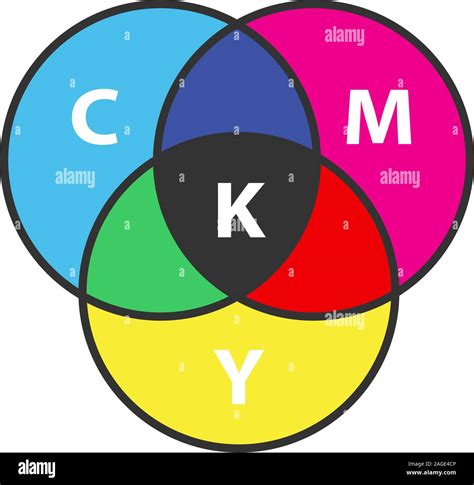
At its core, the CMYK color model is a subtractive color system built upon four primary ink colors: Cyan, Magenta, Yellow, and Key (Black). Unlike the RGB model, which creates colors by adding light, CMYK functions by mixing these inks. This process effectively subtracts light from a white background, making it inherently suited for printing. This model is crucial for ensuring that colors in printed materials, such as product boxes and marketing collateral, appear consistent and accurate. For packaging design, using CMYK is paramount to achieving bright, true-to-life colors that mirror what is seen on a computer screen, thereby reinforcing a strong brand image.
The Practical Application: What is the CMYK Color Model Used For?
The primary domain of the CMYK color model is professional printing. This encompasses a wide array of applications, including the creation of packaging, brochures, product labels, and any other material intended for physical reproduction. CMYK acts as the bridge between digital designs and their accurate, consistent physical prints. In packaging design, it ensures that brand colors are faithfully represented across diverse materials like cardboard and kraft paper, maintaining brand integrity and visual appeal.
What Is The Difference Between RGB and CMYK? Color Models and Print
Deconstructing the Palette: Understanding the Four Color Channels in CMYK
The power of the CMYK model lies in the harmonious interaction of its four ink colors. Each plays a distinct role in constructing the full spectrum of printable colors.
Cyan: The Cool Foundation
Cyan, a vibrant blue-green hue, serves as one of the foundational colors in CMYK printing. Its interaction with magenta and yellow is key to producing a range of secondary colors, contributing significantly to the creation of bright greens and blues essential in many packaging designs.
Magenta: Adding Warmth and Intensity
Magenta, a deep purplish-red, introduces warmth and intensity to printed designs. When combined with cyan and yellow, it forms purples, pinks, and reds. This makes magenta particularly vital for packaging associated with cosmetics, luxury goods, or any product aiming for a rich, vibrant aesthetic.
Yellow: The Bright Energizer
Yellow infuses printed materials with brightness and energy. Its combination with cyan yields greens, while its mix with magenta creates reds. Yellow is instrumental in highlighting intricate details within a design and making packaging visually captivating and attractive.
Black (Key): The Depth and Contrast Provider
Black, denoted as "Key" (K), is indispensable for adding depth, contrast, and clarity to prints. It sharpens edges, creates strong shadows, and importantly, reduces the need for complex combinations of other inks, thus saving on ink usage and cost. The presence of black is essential for ensuring legible text and robust brand imagery in packaging.
The Science of Sight: Color Theory and CMYK Printing
Color theory is not merely an artistic consideration in CMYK printing; it is a fundamental principle that governs how colors interact and blend to create aesthetically pleasing packaging. In the CMYK system, colors are not generated by light but by the physical mixing of inks, a process known as subtractive mixing. Designers leverage the primary colors-cyan, magenta, and yellow-along with their combinations, to meticulously control the brightness, saturation, contrast, and emotional resonance of their designs. The strategic selection of color schemes, such as complementary or analogous colors, helps maintain design balance and visual organization, ultimately ensuring that printed packaging not only looks good but also effectively captures attention on store shelves and communicates the brand's essence.
The Art of Blending: Color Mixing in CMYK
Color mixing within the CMYK model is a sophisticated application of subtractive blending. This means that inks absorb certain wavelengths of light and reflect others, thereby creating the colors we perceive. By precisely controlling the proportions of cyan, magenta, and yellow inks, a vast array of colors can be generated. The addition of black ink further refines these colors, imparting deeper shades, enhanced detail, and sharper contrast. For example, a blend of cyan and yellow produces green, magenta and yellow create red, and cyan and magenta combine to form blue. This meticulous mixing is especially critical in packaging design, where maintaining consistent brand colors across different print runs and materials is paramount. The creation of shades, achieved by incorporating black ink, darkens colors and imbues them with greater depth and a more pronounced contrast.
Achieving Perfection: Tips for Accurate and Consistent Color in CMYK Printing
Ensuring color accuracy and consistency in CMYK printing is vital for creating high-impact packaging. Adhering to specific guidelines can help maintain brand color fidelity across all printed materials.
The Crucial Choice: Selecting the Right Paper and Ink for CMYK Printing
The final appearance of CMYK prints is significantly influenced by the choice of paper and ink. The paper's surface and absorbency directly affect how ink is laid down and its final sheen. Glossy papers enhance color vibrancy and are often preferred for eye-catching packaging, while matte papers offer a softer, more sophisticated finish. For brands prioritizing sustainability, kraft or recycled papers can be excellent choices, often complementing softer CMYK color palettes. The quality of the ink is equally important; inks with high pigment concentration and those specifically formulated for printing applications ensure true color representation and longevity. Harmonizing the paper's texture with the appropriate ink type guarantees consistent, predictable results and minimizes production complications in packaging and print design.
Navigating the Options: Types of Paper for CMYK Printing
The selection of paper type is a critical decision in CMYK printing, profoundly impacting both color perception and the overall quality of the finished product.
Strategic Selection: How To Select The Best Paper for Printing?
The process of selecting the optimal paper for CMYK printing begins with a clear understanding of design objectives and the intended application of the print. For designs demanding vibrant, high-impact visuals, glossy paper is an excellent choice. Conversely, for a more refined and understated aesthetic, matte paper is preferable. Brands committed to environmental responsibility may opt for kraft or recycled paper, which can lend a unique, natural character to the print. It is imperative that the chosen paper type is compatible with the selected ink and the desired finishing effects, ensuring that the printed output is not only visually clear and consistent but also truly stands out.
The Unseen Force: Importance of Ink Quality in CMYK Printing
High-quality ink is the bedrock of accurate color reproduction, smooth tonal transitions, and enduring prints in CMYK. Superior inks possess a higher pigment load, resulting in deeper, more resonant colors and sharper details, which is particularly crucial for packaging that serves as a brand's primary ambassador. The use of inferior inks can lead to color shifts, uneven print quality, and a less professional final product. Investing in professional-grade CMYK inks is a direct pathway to achieving prints that are both visually appealing and possess lasting durability, preparing them effectively for market presence.
Diverse Applications: Understanding The Different Types Of Inks
CMYK printing employs a variety of ink types, each suited for specific printing tasks and material requirements.
- Dye-based inks: These inks produce exceptionally bright colors but can be prone to fading over time.
- Pigment-based inks: Offering superior longevity and water resistance, pigment-based inks are highly recommended for packaging applications where durability is key.
- UV inks: These inks cure rapidly under ultraviolet light, making them ideal for glossy or coated surfaces and offering quick turnaround times.
The careful selection of the appropriate ink type ensures optimal color performance and compatibility with the intended substrate, whether it be paper or other packaging materials.
The Design Nexus: How CMYK Impacts The Packaging Design Process?
The CMYK color model exerts a profound influence on the packaging design process, serving as the critical link between a designer's digital vision and the physical product. It ensures that the colors meticulously chosen on a screen are faithfully translated to the printed packaging, maintaining brand consistency across all touchpoints. Designers utilize CMYK to manage color appearance across various materials and to accurately preview how designs will render in print through print proofs. This understanding streamlines the production process, leading to more efficient manufacturing. By comprehending how colors behave on different substrates, brands can create packaging that not only captivates consumers but also powerfully reinforces their brand identity.
The Industry Standard: Why is CMYK The Preferred Color Model For Packaging Design?
CMYK is the undisputed leader in packaging design and professional printing due to its inherent suitability for physical reproduction, offering reliable and cost-effective color control. Unlike the RGB model, which is optimized for light emission on screens, CMYK's subtractive nature is perfectly aligned with the way inks interact with physical materials like cardboard and labels. This allows for precise color mixing and the faithful reproduction of brand colors, ensuring that what is designed is precisely what is printed. The CMYK color model, often referred to as process color or four-color printing, is a subtractive color model fundamentally based on the CMY model, with the addition of black. It is the standard for color printing and describes the printing process itself. CMYK denotes the four ink plates used in common color printing: cyan, magenta, yellow, and key (black). This model operates by partially or entirely masking colors on a lighter background, typically white. The ink absorbs light, reducing the amount of light that would otherwise be reflected. This is why it's termed a subtractive model: the inks subtract specific colors from white light. White light minus red light results in cyan, minus green light yields magenta, and minus blue light produces yellow. In the CMYK model, the natural color of the substrate (paper) acts as white, and black is achieved through the combination of all colored inks.
The Importance of Color Schemes in a Competitive Market
In today's saturated market, making products stand out is paramount. Understanding color schemes, whether you are a designer or collaborating with one, is essential for creating impactful packaging that captures consumer attention. While CMYK is the focus here, it's beneficial to understand its relationship with other color models, particularly RGB.
Color Models and Their Gamuts
Color models possess distinct gamuts, or ranges of colors they can produce. The number of color channels influences the level of detail an image can convey. CMYK, with its four channels, is specifically designed for print reproduction.
The Mechanics of CMYK Printing
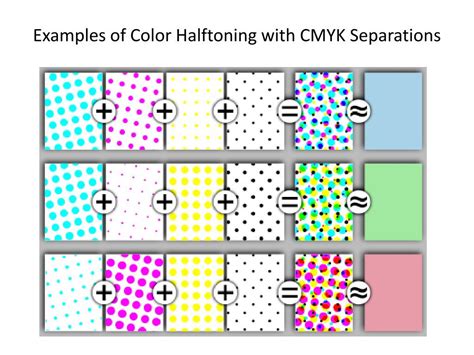
CMYK stands for Cyan, Magenta, Yellow, and Black. These four primary pigment colors are the basis of the four-color printing process. The CMYK color paradigm is fundamental to the printing industry, dictating how colors are combined and applied to surfaces. In full-color printing, each image is meticulously broken down into its cyan, magenta, yellow, and black components, utilizing specific dot patterns of varying sizes. This subtractive color model creates colors by absorbing light from a white background, a critical aspect of the printing process. Therefore, submitting artwork files in the CMYK color scheme is essential for accurate print outcomes. Unlike the RGB model, which relies on digital displays, CMYK printing utilizes the physical mixing of inks to achieve desired hues on paper. When packaging designs are submitted to commercial printers, a process called color separation is employed. This divides the digital file into its constituent CMYK colors. Each CMYK ink color is then assigned a printing plate, from which the ink is transferred, typically via a rubber blanket, in small dots onto the paper. Color separation is not a requirement for digital printing, which offers a more economical solution for smaller print runs as ink is applied directly without the need for plates. Following artwork guidelines and submitting proper files to your printing press ensures that the image from your file is accurately duplicated and that the appearance of a colorful image is created by individual CMYK color droplets. While laser printers are common in commercial settings, inkjet printers utilize ink.
Consistency: The CMYK Advantage
In summary, CMYK is the industry standard for printing due to its ability to produce consistent results. Achieving print design consistency is more challenging with the RGB model, owing to its broader color variations. The CMYK model employs more easily standardized colors, leading to predictable outcomes.
When to Embrace CMYK Printing
For most businesses, a deep dive into the nuances of the CMYK color model may not be a daily concern. However, it becomes critically important if you are frequently involved in printing marketing materials such as brochures, calendars, manuals, booklets, or packaging boxes. It is particularly vital when your business requires the precise reproduction of a specific hue, such as a logo. To verify that your prints are utilizing the CMYK model, graphic design software like Adobe Photoshop offers options to convert files to CMYK. If you create graphics with the intention of printing them, always ensure the file is converted to CMYK.
The Contrast with RGB
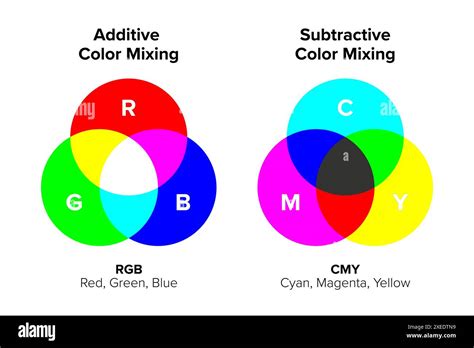
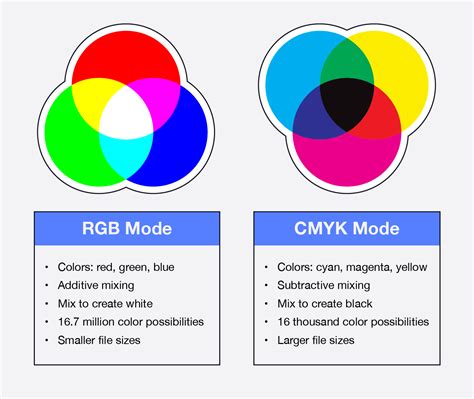
The RGB color model uses red, green, and blue to generate colors. In contrast to CMYK, RGB is an additive color model. This means colors begin as black, and red, green, or blue light is layered on top to create different hues. Combining these bright colors at equal intensity results in white, while the absence of light is black. Saturation and shades in the RGB model are adjusted by modifying the intensity of any of the three primary colors. These digital adjustments directly influence how light is perceived on a screen.
Ink Technologies: Dye-Based vs. Pigment-Based
The type of ink used is project-dependent.
- Dye-based inks: These are composed of color pigments dissolved in water and are the standard, less expensive option for most inkjet printers.
- Pigment-based inks: These inks use suspended, insoluble pigments, making them more waterproof and durable. While more expensive and with more limited applications, they are ideal for outdoor displays and heat transfer paper, offering good UV resistance, though they may fade with prolonged sun exposure.
Beyond CMYK: The Role of Spot Colors
While CMYK colors can achieve a vast spectrum, there are instances where an exact color match is required and cannot be precisely replicated by combining the four process inks. In such situations, printers utilize "Spot colors," also known as 'Pantone colors'. Pantone provides a standardized color matching system, enabling designers to specify and achieve accurate colors irrespective of the printing method. Integrating Pantone colors into a CMYK workflow can significantly enhance color accuracy and consistency. A thorough understanding of CMYK color printing is essential for artists and designers aiming to produce high-quality printed items. Using the CMYK color mode for printing offers numerous benefits, most notably the ability to reproduce colors more accurately and consistently, cementing its status as the industry standard. Pantone colors or spot colors serve as valuable tools for ensuring precise color matches when required in printed products, allowing designers to achieve a higher degree of color accuracy.
Mastering the Palette: Achieving Professional Results
Whether you are new to print design or an experienced color palette professional, grasping the complexities of CMYK printing is key to achieving professional-grade results. The CMYK color model is a subtractive color model used in color printing, and it also describes the printing process itself. In subtractive models, inks reduce the amount of light reflected from a white or light background. White is the color of the substrate, and black results from the combination of inks. This contrasts with additive color models (e.g., RGB), where colors are produced by emitting light, white results from combining all primary colors, and black represents the absence of light.
Halftoning: Creating the Illusion of Continuous Tone
Halftoning, or screening, allows a printer to produce continuous tones by varying the size and spacing of small ink dots. This technique creates the perception of intermediate colors between the primary inks. CMYK is an extension of the CMY model, which omits black ink. CMYK contrasts with spot color printing, where specific inks produce fixed colors. Some printing presses can combine both process and spot colors. The CMYK model codes for the absorption of light: cyan absorbs red, magenta absorbs green, and yellow absorbs blue.
Device Dependency and Color Management
It is important to note that both RGB and CMYK are device-dependent color models. This means there is no universal formula for converting between them. Accurate mapping between devices requires color management systems that utilize ICC profiles.
The CMYK color model is fundamental for anyone involved in print design, from creating logos for business cards and flyers to producing large-scale marketing materials. Understanding this model is crucial for ensuring color accuracy and achieving high-resolution results in printed pieces.
The term "Key" in CMYK refers to the black plate in traditional four-color printing. This plate was historically used to provide the sharpest details and define the darkest areas of an image, hence its designation as the "key" plate. This convention also serves to prevent confusion with other colors or terms, such as "blue." These four colors-cyan, magenta, yellow, and black-each have specific roles in the printing process. Designers layer varying amounts of cyan, magenta, and yellow to achieve a wide spectrum of colors. Black is then employed to impart depth and contrast to the final printed material. For example, a combination of C=0, M=50, Y=100, K=0 will produce a bright orange. To achieve a standard black, often called "true black," only the key (black) color is used at full intensity (C=0, M=0, Y=0, K=100). For a deeper, richer black, known as "rich black," a combination of cyan, magenta, and yellow is used alongside key (a typical mix being C=60, M=60, Y=60, K=100). This rich black is particularly effective for large areas of solid black in print.
RGB vs. CMYK: A Fundamental Distinction
While CMYK is the standard for print, the RGB color model is the language of screens and digital content. RGB colors (red, green, and blue) create colors by emitting light. In contrast, CMYK colors (cyan, magenta, yellow, and key) produce colors by subtracting light. RGB colors combine to generate a vast array of vibrant hues, making them ideal for digital displays. CMYK colors, through the subtraction of light, are best suited for physical materials like paper and fabric.
The Pillars of Print: Why is CMYK Important for Printing?
CMYK is crucial for printing because it ensures color consistency across various printed materials, such as posters and packaging. The subtractive nature of the CMYK color model leads to uniform and predictable results. This consistency is vital for maintaining brand integrity and ensuring that prints accurately reflect the original design across different materials like paper and fabric.
File Formats for CMYK Success
Certain file types are optimally suited for supporting CMYK colors:
- Portable Document Formats (PDFs): These are highly versatile for CMYK files and compatible with a wide range of software.
- Adobe Illustrator (AI) files: AI files natively support the CMYK color mode, making them ideal for vector graphics.
- Encapsulated PostScript (EPS): EPS files are vector-based and also support the CMYK color mode.
When to Deploy CMYK
You should utilize CMYK colors for any design intended for printing, including but not limited to:
- Business cards
- Posters
- Billboards
- Stationery
- Promotional merchandise (T-shirts, mugs, pens)
- Flyers
- Brochures
- Product packaging
- Menus
- Banners
Bridging the Gap: Converting RGB to CMYK
For brands that operate in both print and digital realms, ensuring accurate color translation is essential. While RGB colors appear vibrant on digital screens, their appearance can shift when converted for print. Therefore, converting digital designs to CMYK before printing is a critical step to ensure the final output aligns with expectations. This transition may involve subtle adjustments, as certain hues might change during the conversion process. Fine-tuning these colors is important to preserve the vibrancy and accuracy of the original design. Tools like Figma, with plugins such as "Print for Figma," can assist in converting projects and marketing materials to CMYK for printing purposes, ensuring that colors translate correctly from screen to print.