Cardboard, a material often associated with everyday deliveries, moving, and even pet enclosures, possesses a surprisingly rich aesthetic that designers and artists frequently leverage. Beyond its utilitarian purpose, cardboard's inherent texture, ranging from smooth and clean to deeply distressed and worn, offers a tactile and visual dimension that can elevate a wide array of creative projects. Whether seeking a rustic, vintage feel, a minimalist modern backdrop, or a gritty, grunge-infused aesthetic, the diverse world of cardboard textures provides an accessible and impactful solution, often available in convenient digital formats for immediate use.
Understanding the Appeal of Cardboard Textures
When we think of cardboard, the first thing that comes to mind is often its ubiquitous presence in our lives. We constantly receive deliveries in them, use them to move houses, and for so many other things. This familiarity breeds a certain comfort and recognition, making cardboard textures an approachable choice for designers. The appeal lies in its authenticity; it’s a material that shows its history. Folds, dents, tears, and variations in color all contribute to a unique character that can be difficult to replicate artificially. This natural imperfection is precisely what makes cardboard textures so desirable for adding depth, realism, and a touch of the organic to digital creations. They can be used as backgrounds or overlays, and importantly, you don’t need to make them from scratch, thanks to the abundance of readily available digital resources.
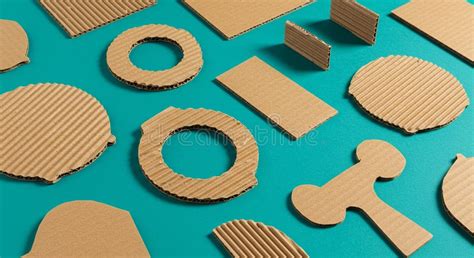
A Spectrum of Cardboard: From Clean and Seamless to Grungy and Distressed
The beauty of cardboard textures lies in their vast spectrum of appearances. For projects requiring a polished and understated look, clean and seamless textures are ideal. These often mimic fresh, unused cardboard, providing a subtle background that doesn't overpower the main content. Such textures are perfect for minimalist graphic design projects, offering a neutral canvas. Conversely, many designers seek out the more rugged and worn aspects of cardboard. This includes textures with significant folds, dents, and tears, giving a distinctly worn-out and natural appearance. These grunge-style textures are perfect for projects aiming for a vintage, retro, or distressed aesthetic, adding a sense of history and authenticity.
Indeed, a massive yet affordable cardboard texture bundle can offer up to 90 textures, with a wide range ranging from clean to seamless to grunge. This variety ensures that creators have the right tool for any job, whether it's a subtle background or a dominant textural element. For those who want to maximize the grunge effect, torn cardboard textures are particularly effective, compatible with various design software like Procreate, Adobe Photoshop, After Effects, and Adobe InDesign. These are not just limited to the typical brown; collections exist featuring black cardboard paper textures, inked and gray cardboard textures, and even unique mottled cardboard textures created by adding water droplets, offering a wet and drying appearance that is truly eye-catching.
Beyond Brown: Exploring Colored and Vintage Cardboard
While the typical brown hue is synonymous with cardboard, the availability of textures in a diverse palette opens up even more creative possibilities. Vintage paper bundles, for instance, can include hundreds of textures, most with the typical brown paper texture, but also available in various other colors like cream, yellow, grey, and blue. This extensive range will come in handy when you require a paper texture background that deviates from the norm. Even within standard cardboard offerings, you can find options ranging from white cardboard textures to grey and light brown, providing the kind of range that creatives need.
For projects that call out for colored cardboard, a wealth of options exists. If you couldn't quite find the right color for your project, there are further colorful cardboard textures available. These can include anything from subtle pastel shades to more vibrant hues, allowing designers to integrate cardboard's tactile quality into a broader spectrum of color schemes. This is particularly useful for branding, packaging design, and digital art where a specific color palette is essential.
Cardboard Mockups and Brushes: Enhancing Design Workflow
Beyond static textures, digital resources also extend to interactive elements like mockups and brushes. Cardboard box mockups, often available as PSD (Photoshop) files, are invaluable for product presentation. These allow designers to place their designs onto a realistic 3D representation of a cardboard box. You can change the color by using solid layers and adjust the design as it has a smart object, making it easy to visualize how a brand or artwork will look on packaging. These mockups are frequently of high resolution, making them perfect for commercial purposes.
Furthermore, for those who prefer to create their own textures or add specific cardboard elements, cardboard Photoshop brushes are an excellent resource. These brushes can mimic the look of folds, creases, and even the rough surface of cardboard, allowing for more customized and artistic applications. Using cardboard patterns and textures is a great way to bring depth and interest to your work, and brushes offer a more hands-on approach to achieving this.
[3D Buzz][Photoshop for Non-Artists: Texture Libraries] 02-007. Creating Cardboard
Sourcing Cardboard Textures: A Guide for Creatives
Finding high-quality cardboard textures is crucial for achieving professional results. Several platforms specialize in offering digital assets for designers. Services like Envato Elements and GraphicRiver are frequently mentioned as excellent sources. Envato Elements, for instance, operates on a subscription model, offering access to a vast library of digital assets, including countless cardboard textures, templates, photos, and mockups, for a low monthly fee. This makes it an outstanding service for those who frequently download digital assets. GraphicRiver, on the other hand, allows for individual purchases of assets.
Shutterstock is another valuable resource for a wide variety of cardboard texture images, perfect for backgrounds and overlays. When looking for specific types of textures, such as those with a more grunge type look, bundles with many folds, dents, and tears are ideal. For those needing clean and seamless textures, specific bundles cater to these requirements, often providing files in JPG format.
When considering a purchase, the quantity and quality of textures are key factors. Bundles can range from 10 to over 90 textures, offering significant variety for a modest cost. High-resolution files are essential for print design and large-scale digital applications. Some collections focus on specific features, like cut tape textures or original tape textures, adding further detail and realism. Others might offer seamless and tileable corrugated cardboard textures, perfect for backgrounds that need to repeat without visible seams.
The Nuances of Cardboard: From Corrugated to Cut Tape
The term "cardboard texture" itself encompasses a wide range of physical characteristics. Corrugated cardboard, with its distinctive wavy inner layer, offers a unique visual and tactile quality. Fabulous corrugated cardboard textures that are seamless and tileable are particularly useful for creating immersive backgrounds. For those looking for the specific details of packaging, textures that capture the creases and grooves found in flattened cardboard packaging are available.
Even the way cardboard is presented can influence its textural appearance. Collections that include eight textures with cut tape and thirteen with original tape textures provide intricate details that can add a layer of realism. Similarly, the presence of dust grain objects in some minimalist grunge-style textures adds a subtle layer of character.
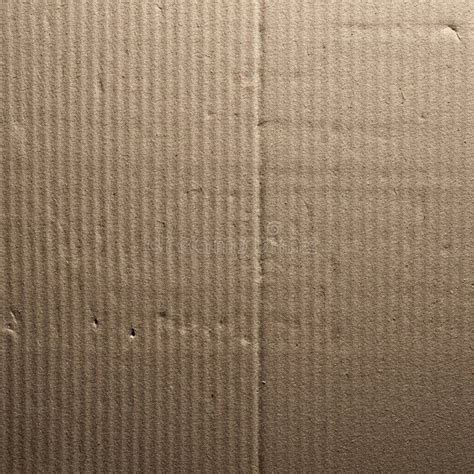
Choosing the Right Texture for Your Project
The selection of a cardboard texture should always be guided by the specific needs of the project. A minimalist grunge-style texture with only a few folds might be perfect for a modern design that needs just a hint of texture. In contrast, a torn cardboard texture with significant damage would be ideal for projects aiming for a raw, edgy, or post-apocalyptic feel. The ability to change design styles between retro, vintage, classic, and grunge within a single texture resource further enhances versatility.
When you need high-quality cardboard textures, numerous packs offer different variations. These can contain brown and white cardboard textures that can be incorporated into digital art, web design, and print design. Collections of high-resolution cardboard textures offered as PNG files are excellent for projects that require just a hint of cardboard texture as simple background images. This cardboard box texture would make a cool background for the right project, adding a subtle yet effective layer of visual interest.
Ultimately, the world of cardboard textures is as diverse as the material itself. From the clean and simple to the elaborately distressed, and from the traditional brown to a spectrum of colors, these textures provide designers with an accessible and powerful tool to add depth, character, and authenticity to their work. Whether you’re a seasoned professional or just starting, exploring the vast array of available cardboard textures is a worthwhile endeavor for any creative toolkit.