The world of digital illustration has witnessed a significant transformation, with Chinese style digital illustration emerging as a captivating force across various creative domains, including packaging design and poster art. The sophisticated capabilities of Adobe Photoshop have played a pivotal role in the creation of these visually rich artworks. A crucial element that defines the distinctiveness of Chinese style digital illustration is its unique texture. Photoshop brushes, with their extensive customization options and powerful functionalities, have become indispensable tools for artists seeking to imbue their work with these characteristic textures. This article delves into the intricacies of Chinese style digital illustration texture, exploring the primary factors that contribute to its creation, the specific advantages offered by Photoshop brushes in its expression, and the key techniques for their effective utilization. By focusing on texture shaping, digital illustrations can more profoundly convey the essence of the Chinese style, offering a deeper appreciation for this artistic genre.
The Allure of Chinese Style Digital Illustration
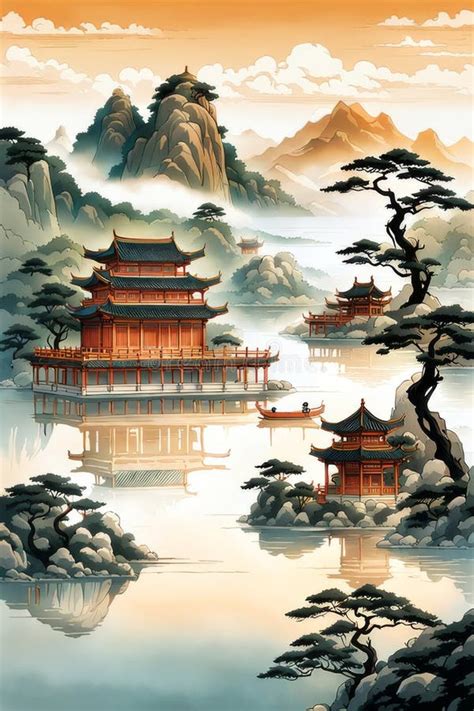
The increasing prominence of Chinese style digital illustration is a testament to its growing appeal in diverse fields. Its aesthetic principles, often rooted in traditional Chinese art forms, are being reinterpreted and amplified through the lens of modern digital technology. This fusion creates a visual language that is both contemporary and deeply resonant with cultural heritage. The appeal lies not just in the subject matter, but in the very way it is rendered. The distinct textures, the nuanced color palettes, and the evocative linework all contribute to a powerful artistic statement. Whether adorning product packaging or gracing the walls of an exhibition, these illustrations capture attention and evoke a sense of refined artistry.
Understanding Texture in Digital Art
Texture, in the context of digital illustration, refers to the visual or tactile quality of a surface. In Chinese style digital illustration, texture is paramount in conveying a sense of depth, materiality, and atmospheric richness. It's not merely about what is depicted, but how it feels to the viewer. Traditional Chinese painting, with its emphasis on ink wash and brushstrokes, provides a rich source of inspiration for digital artists. The subtle variations in ink density, the delicate gradations of tone, and the expressive quality of the brushwork all translate into a desire to replicate these tactile sensations in a digital medium.
The creation of unique textures in digital art is a multifaceted process. It involves understanding the interplay of light and shadow, the properties of different simulated materials, and the expressive potential of digital tools. For Chinese style digital illustration, this often means emulating the organic feel of natural materials like paper, silk, or even the subtle grain of wood. The goal is to move beyond a flat, sterile digital output and achieve a sense of depth and character that draws the viewer in.
The Role of Photoshop Brushes in Expressing Chinese Style
Adobe Photoshop, a cornerstone of digital art creation, offers an unparalleled array of tools for artists. Among these, Photoshop brushes stand out as particularly versatile. The ability to customize brush settings - including shape, size, opacity, flow, and texture - allows artists to simulate a vast range of traditional art materials and techniques. For Chinese style digital illustration, this translates into the capacity to replicate the nuanced effects of ink wash, the delicate strokes of calligraphy, and the varied textures of traditional pigments.
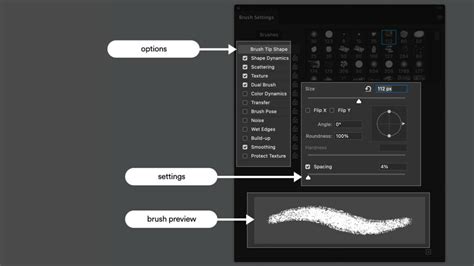
The power of PS brushes lies in their adaptability. Artists can create custom brushes that mimic the bleed of ink on absorbent paper, the rough texture of a rice paper surface, or the subtle variations in tone achieved by an ink wash. By layering these custom brushes and adjusting their properties, illustrators can build up complex textures that are integral to the Chinese aesthetic. This allows for a level of detail and authenticity that would be difficult to achieve with standard digital brushes. The "hand-drawn" feel, so often a hallmark of appealing digital art, is readily achievable through the thoughtful application of these tools.
For instance, achieving the characteristic soft, feathered edges of an ink wash can be done by using a textured brush with low opacity and flow, allowing for gradual build-up of color. Similarly, emulating the sharp, precise lines of traditional Chinese brushwork can be accomplished with a hard-edged brush, carefully controlled for pressure and speed. The ability to import texture images into brush presets further expands the possibilities, enabling artists to incorporate real-world textures directly into their digital workflow.
Key Techniques for Using Photoshop Brushes for Chinese Style Texture
The effective use of Photoshop brushes for creating Chinese style textures involves a strategic approach, combining technical proficiency with artistic intuition. Several key points guide this process:
1. Understanding Brush Dynamics and Settings
Experimentation is crucial. Artists should delve into the brush settings, particularly the "Brush Dynamics" and "Texture" options. Adjusting "Shape Dynamics" can control jitter, size, and angle, mimicking the natural variations in hand-drawn strokes. The "Texture" setting within the brush options allows for the application of a pattern to the brush stroke, which can be used to simulate the grain of paper or canvas.
2. Layering and Opacity Control
Building complex textures often requires layering multiple brush strokes. Using different brushes with varying opacities and blend modes can create depth and subtle tonal variations. For example, a base layer might be a soft wash of color, with subsequent layers of finer detail added with more defined brushes. This gradual build-up is reminiscent of traditional painting techniques.
3. Custom Brush Creation
For truly unique textures, artists are encouraged to create their own custom brushes. This can involve scanning real-world textures (like paper, fabric, or ink splatters) and converting them into brush presets. This personal touch can significantly enhance the originality and authenticity of the artwork.
4. Emulating Traditional Media
Artists should study traditional Chinese painting techniques to understand how different textures are achieved. This includes observing how ink behaves on various types of paper, how pigments are applied, and the characteristic strokes used for different subjects. This knowledge can then be translated into Photoshop brush settings and application techniques. For instance, understanding the concept of "borrowing the sky" (jie tian) in ink wash painting, where subtle tonal variations create atmospheric depth, can inform the use of soft brushes and low opacity in Photoshop.
5. Color Blending and Harmonization
The color palette in Chinese style art is often restrained, relying on subtle harmonies and tonal shifts. Photoshop's blending tools and color adjustment layers can be used to achieve these nuanced color relationships. Artists can use brushes with different color dynamics to create subtle gradients and color variations within a single stroke, further enhancing the organic feel.
Beyond Photoshop: The Landscape of Chinese Photo and Video Editing Apps
While Photoshop is a professional-grade tool, the user-provided information also sheds light on a burgeoning ecosystem of mobile applications originating from China, which offer accessible and often specialized photo and video editing capabilities. These apps have gained significant traction, not only within China but also globally, catering to a wide spectrum of users from casual social media enthusiasts to those seeking more advanced editing features.
Meitu: The All-in-One Selfie and Editing Powerhouse
Meitu, developed by Xiamen Meitu Technology, stands out as a prominent example. Initially gaining popularity for its advanced selfie-editing features, Meitu has evolved into a comprehensive photo and video editor. Its appeal lies in its ability to perform basic editing tasks like cropping and exposure correction, while also offering a vast array of filters for various subjects.
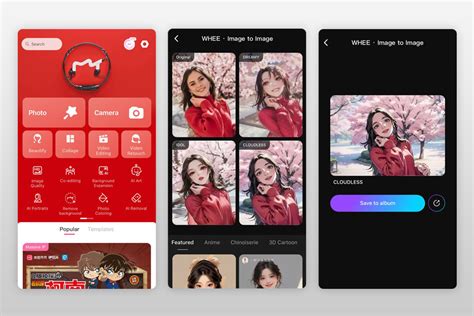
The app's "retouch" feature is particularly noteworthy, enabling users to effortlessly enhance their appearance by reducing blemishes, wrinkles, and dark circles, slimming the face, whitening skin, and enlarging eyes - often with a single tap. This aligns with China's well-documented enthusiasm for selfie apps that offer transformative beautification. The introduction of features like the "hand-drawn" effect, which can render celebrities in an anime style, has also contributed to its surge in popularity, even drawing criticism for its data handling practices. Meitu's VIP functions offer even more advanced tools, including teeth correction and hair bang adjustments, highlighting the app's commitment to providing a full suite of beautification and editing options. The app's extensive filter library, with over 200 options, and AI-driven features for creating stunning illustrations from portraits, further solidify its position as a versatile editing tool.
MakeupPlus and BeautyCam: Specialized Beautification
Also from Xiamen Meitu Technology, MakeupPlus focuses on virtual makeup application. It offers real-time makeup previews through the camera, allowing users to experiment with various looks before taking a photo. It also provides step-by-step makeup editing for existing photos, with extensive options for foundation, lipstick, blush, eyeshadow, and even hair dye. BeautyCam, another app from the same developer, shares similarities with Meitu and MakeupPlus, aiming for automatic facial perfection in every shot.
Spring: Body Reshaping Made Simple
Spring is an app that caters to specific body modification desires, offering functions for lengthening legs, slimming silhouettes, and adjusting head size for better proportion. Its focused utility makes it a straightforward choice for users seeking these particular enhancements.
B612 and Line Camera: Filters and Stickers Galore
B612, named after a planet from "The Little Prince" and owned by Japan's Line Corp, offers a clean interface and over 100 unique filters, distinct from those found on platforms like Instagram. It also boasts an abundant collection of animated stickers. Similarly, Line Camera, leveraging the popularity of Line's characters like Brown the bear and Cony the bunny, has become a hit by allowing users to playfully cover faces in photos with these beloved stickers, often for humorous effect in group selfies.
New VR selfie apps steal show at Global Mobile Internet Conference
Snow: A Snapchat-like Experience
Snow, a Korean app, mirrors Snapchat's concept and interface, providing photo and video editing features such as adding emojis, text, and drawings. Its video messages are designed for ephemeral viewing, offering a similar experience to Snapchat.
Advanced Typographic Features: Beyond Basic Editing
While many of these apps focus on immediate visual enhancements and creative filters, professional digital art, particularly in East Asian contexts, often involves sophisticated typographic considerations. Adobe Photoshop, for instance, incorporates advanced features designed to handle the complexities of East Asian languages and typography, which are crucial for many Chinese style digital artworks.
Features like "Tsume" reduce the space around characters without distorting them, preserving their integrity. "Leading" options allow for precise control over line spacing, measured from baseline to baseline, ensuring readability and aesthetic balance. "Tate-chu-yoko" enables horizontal type to be laid out within vertical text lines, a common practice in East Asian typography. "Mojisoroe" provides fine-grained alignment for characters of different sizes within a line, ensuring visual harmony.
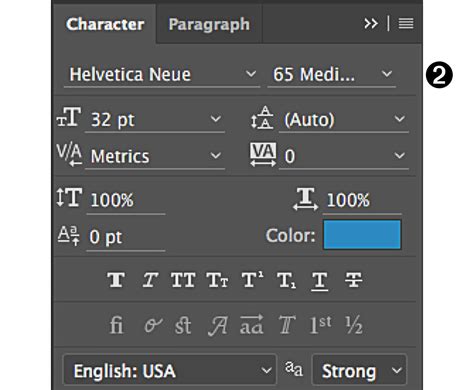
Furthermore, Asian OpenType fonts, such as Kozuka Gothic Pr6N and Kozuka Mincho Pr6N, offer specialized glyphs and features. "Kana" substitutes standard kana glyphs with horizontally optimized ones for better horizontal layout. The Glyphs panel in Photoshop allows users to quickly view and select alternative glyphs, enhancing typographic expressiveness. Features related to Japanese typesetting standards (JIS X 4051‑1995) include specific line-breaking rules ("kinsoku characters") and options for controlling where punctuation marks like commas appear in relation to paragraph bounding boxes. These advanced typographic controls are essential for professional digital illustrators aiming for authenticity and polish in their Chinese style works.
CapCut: A Powerful Video Editor with AI Capabilities
CapCut, a video editing application developed by ByteDance, has also made significant waves. Launched for Windows and Mac, it offers core video editing functions like trimming, splitting, and arranging clips. It provides a library of templates and an AI-powered tool for generating editable video captions. Photo editing tools are also integrated, though some advanced features are reserved for Pro subscribers.
CapCut's AI capabilities extend to automated video and script generation, primarily in its Pro version. This positions it not just as a consumer-level editor but also as a tool for businesses seeking efficient content creation. However, CapCut has faced scrutiny regarding its data collection practices. Lawsuits have alleged the unlawful collection and profit from sensitive user data, including biometric information, with concerns raised about data being accessible in China and processed in jurisdictions with less stringent privacy regulations. Revisions to its terms of service have also sparked debate about content ownership and the broad rights granted to CapCut over user-generated content. These concerns highlight the ongoing tension between the convenience and power of such applications and the critical need for robust data privacy and user control.
The Broader Implications of Data Privacy and User Control
The proliferation of powerful, user-friendly editing apps, particularly those developed by Chinese companies, brings to the forefront critical discussions about data privacy and security. Apps like Meitu and CapCut, while offering extensive features, have faced allegations and criticisms regarding their data collection practices. The sheer volume and types of data collected - ranging from basic registration details to biometric information like face geometry scans and voiceprints - raise significant privacy concerns.
The potential for this data to be accessed by individuals in China, or processed in jurisdictions with differing privacy laws, adds another layer of complexity. This has led to legal actions, including class-action lawsuits, alleging violations of privacy statutes such as the Illinois Biometric Information Privacy Act. While some claims may be dismissed, others, particularly those concerning biometric data, have been allowed to proceed, indicating the seriousness of these allegations.
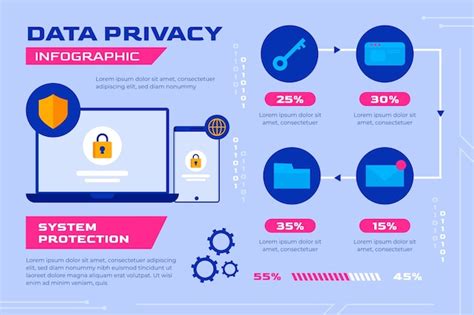
Beyond legal challenges, security commentators have voiced concerns that extensive data collection could pose national security risks. Furthermore, revisions to terms of service, as seen with CapCut, have raised questions about content ownership and the rights granted to platforms over user-generated material. This can impact professional creators and small businesses who rely on these platforms for their livelihood, creating uncertainty around creative control and intellectual property.
The social components of these apps, especially those aimed at younger audiences, also warrant attention. Concerns about weak age verification and potential exposure to inappropriate content, while distinct from data privacy lawsuits, are crucial considerations for parents and guardians. The ease of use and accessibility of these powerful editing tools, combined with evolving AI capabilities, necessitate a vigilant approach to understanding their underlying data practices and potential implications for user privacy and security.
Conclusion: A Dynamic Landscape of Digital Creativity
The realm of digital art and photo editing is a rapidly evolving landscape, with Chinese applications playing an increasingly significant role. From the intricate textures achieved with Photoshop brushes in Chinese style digital illustrations to the all-encompassing beautification and editing features of apps like Meitu and the powerful video editing capabilities of CapCut, users have a diverse array of tools at their disposal. While these technologies empower creativity and offer unprecedented accessibility, they also bring to the forefront important discussions about data privacy, user control, and the ethical implications of advanced AI functionalities. As this field continues to advance, a balanced approach that leverages technological innovation while safeguarding user rights will be paramount.