The process of activating software, particularly complex suites like those offered by Corel, often involves a series of steps designed to verify ownership and ensure legitimate use. Understanding these steps, along with related aspects such as order processing, payment security, and subscription management, is crucial for users to navigate the software acquisition and utilization journey smoothly. This article aims to demystify these processes, providing clear information on activation, order handling, and important consumer rights and regulations.
The Corel Activation Process: A Step-by-Step Guide
When you acquire a Corel product, the first interaction often involves an activation process to confirm your purchase and unlock the full functionality of the software. This is a standard procedure across many software vendors to prevent unauthorized distribution and usage.
Initially, after opening a Corel product, you might be presented with a dialog box. This dialog typically features a prominent button labeled "Activate now!". Clicking on this button initiates the activation sequence. For many users, especially those with a stable internet connection, the program should automatically activate within a few seconds. This automated process verifies your license key against Corel's servers.
Upon successful activation, you will likely receive a confirmation message. This confirmation often presents you with an option to either "Save" or "Print" your activation information. It is generally advisable to save or print this information, as it serves as a record of your successful activation and may be useful for future reference, such as reinstalling the software on the same or a different machine.
Offline Activation and Internet Disconnection
In scenarios where direct online activation might be problematic, or for users who prefer or require an offline activation method, a specific procedure can be followed. This often involves temporarily disconnecting the computer from the internet. For dial-up connections, this simply means disconnecting the dial-up connection. For broadband accounts, a more involved process is required. This typically involves navigating to the system's control panel. From there, you would access "Network connections." If your control panel is in Category view, you might need to click on "Network and Internet Connections" first, and then select "Network connections" on the subsequent screen. Within the network connections, you would then disable the network connection option.
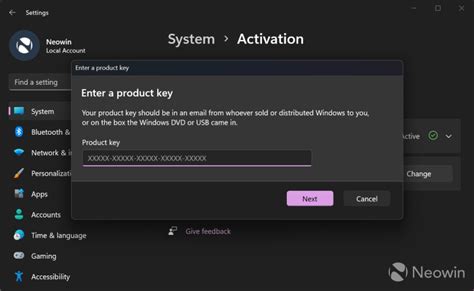
Once the computer is disconnected from the internet, you would then launch and close the product again. This action should trigger the activation dialog to appear once more. This time, instead of "Activate now!", you might see an option such as "Already Purchased? Click on 'Already purchased?'" or a similar prompt that leads to offline activation options. Clicking this button and following the on-screen instructions, which may involve entering a product key or generating a request code, will allow for activation without an active internet connection. You will again be offered a confirmation asking if you would like to Save or Print your activation information.
Downloading and Installing the Product
It is important to note that before you can activate a product, it must first be installed on your computer. If you do not already have the product installed, you will need to download the program prior to attempting activation. The download process typically begins by obtaining an installer file. Once the file has been downloaded, you will need to double-click its icon to initialize the program's installation. Following the install wizard is a straightforward process that guides you through the necessary steps to get the software up and running on your system. After installation, you would then proceed with the activation steps as outlined above.
Managing Your Subscription and Orders
Beyond initial activation, many software products, including those from Corel, operate on a subscription model. Understanding how to manage these subscriptions is vital to avoid unwanted charges and to maintain control over your software access.
Cancelling a Subscription
Cancelling a subscription is designed to be a straightforward process. Users are typically directed to scroll down within their account settings or a dedicated subscription management area. Here, they will find an option for "Subscription cancellation." This might also be referred to as "Automatic renewal cancellation" or "Manage your subscription." It is crucial to understand that cancelling a subscription stops all future billing renewals. However, it is important to note that this action generally does not result in a refund of your order for the current billing period.
If you wish to request a full, partial, or a VAT/sales tax refund, you will typically need to contact the Customer Service Team directly. This is a common practice to handle refund requests, as they often require specific verification and authorization.
Order Cancellations and Payment Issues
Occasionally, issues can arise with orders, such as payment declines. If you placed an order and the credit card payment was declined, you may need to re-evaluate your payment details or contact your bank. For those who submitted payments via wire transfers, ACH, or check, and the payment hasn’t yet been credited to the account, there might be a window for cancellation. You may cancel an order if you have not yet submitted payment. To cancel an unpaid order, submitting a cancellation request through the vendor's contact form is the standard procedure.
Secure Transactions and Data Protection
In today's digital landscape, the security of online transactions and the protection of personal data are paramount. Companies like Corel, and their payment processors, adhere to stringent security standards to ensure customer confidence.
Payment Security Standards
When it comes to processing payments, particularly for credit card transactions, adherence to standards like PCI DSS (Payment Card Industry Data Security Standard) is essential. Cleverbridge, for instance, maintains compliance with PCI DSS to ensure payment card data security and provide a secure e-commerce environment for their customers. The PCI DSS standard outlines specific requirements for network architecture, software development, security management, and other critical proactive measures to guarantee the safety of payment card transactions.
During order confirmation, for security reasons and to comply with these standards, Cleverbridge will typically reveal only the last four digits of customer credit card numbers. The entire credit card number is transmitted to the appropriate payment processor during order processing. This transfer is secured using TLS (Transport Layer Security) technology, a robust encryption protocol.
Data Privacy and GDPR
In addition to payment security, the privacy of personal data is a significant concern. The General Data Protection Regulation (GDPR) is a regulation sponsored by the European Commission that impacts how businesses collect and store customers’ personal data. Companies are expected to treat personal information with the utmost respect for privacy. This involves maintaining commercially reasonable and appropriate physical, electronic, and managerial measures and procedures to safeguard and secure your personal information during data collection, transmission, and storage.
All access to the online shop's ordering pages is granted using Transport Layer Security (TLS) technology. This technology encrypts personal information that you provide during the ordering process, ensuring that your data is transferred through a secure channel and that confidential data is protected against interception by third parties. To ensure this level of security, systems use a certificate in keeping with e-commerce industry practice, issued by a trusted security provider. Standard web browsers support TLS technology and automatically accept certificates from trusted providers.
Factors Affecting Product Delivery and Taxation
The timeline for receiving your purchased product and the associated tax implications are also important considerations for consumers.
Delivery Timelines
How quickly you receive your product depends on several factors. These include the payment option selected, the method of delivery (whether digital or physical product), and the logistics of the delivery provider. For instance, wire transfer payments from European countries typically take 2-4 business days to reach the vendor's account. Digital products are usually delivered almost instantaneously after successful payment and processing, while physical products involve shipping and handling times.
Taxation Regulations
Taxation regulations can vary significantly by region. Recently, Canada announced some changes in taxation regulations. In several provinces, a federal tax will be combined with the provincial tax. This cumulative percentage of federal (5% GST) tax and provincial tax (depending on each jurisdiction) generates the Harmonized Sales Tax (HST). Understanding these tax structures is important for consumers to accurately calculate the total cost of their purchase.
Understanding Windows licenses and activation | Microsoft
tags: #corel #activation #code