West Adams, a historic neighborhood nestled in the South Los Angeles region, stands as a testament to the dynamic evolution of Los Angeles. Once a beacon of wealth and a burgeoning suburb, it has transformed through decades of change, becoming a vibrant mosaic of architectural styles, cultural influences, and enduring community spirit. Its story is intricately woven with the broader narrative of Los Angeles, reflecting periods of prosperity, racial segregation, urban development, and eventual resurgence.
Genesis of a Suburb: The Huntington Era
The origins of West Adams are deeply rooted in the late 19th and early 20th centuries, a period of rapid growth for Los Angeles. In 1902, railroad magnate Henry E. Huntington, a co-founder of the Pacific Electric Railway Company, partnered with wealthy Pasadena industrialist Hulett C. Merritt to develop a sprawling wheat field west of Downtown. Initially christened "West Adams Heights," this ambitious project is widely regarded as Los Angeles's first suburb. The neighborhood quickly became a desirable address, attracting Downtown business barons and USC faculty amidst a larger development boom that propelled L.A. from a nascent pueblo to a burgeoning metropolis.
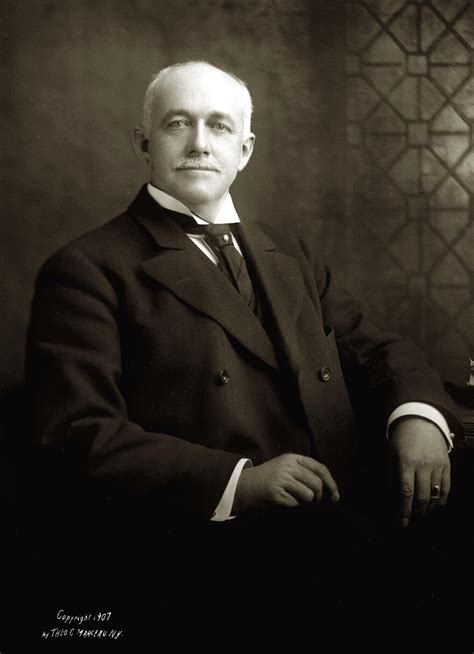
The period between 1880 and 1925 saw the construction of most of the neighborhood's initial buildings, contributing to its reputation as the wealthiest district in the city by the turn of the 20th century. Remnants of this prosperous past are still evident today in its stunning and varied historical architecture. Wealthy individuals behind some of L.A.'s most enduring names, including oil tycoon Edward Lawrence Doheny and lawyer-politician Isadore Dockweiler, as well as Hollywood titans like actor Fatty Arbuckle and director-choreographer Busby Berkeley, chose West Adams as their home. This era also saw the development of significant institutions, such as the Marlborough School, founded by Mrs. George A. in the redecorated rooms of the former Marlborough Hotel on West 23rd Street. By 1906, the area was already being described as "exclusive," and by 1913, as a "fashionable residence district." The Los Angeles Times in 1916 predicted that the boulevard would become "no more splendid boulevard in America," following extensive improvements to its paving, the installation of planted islands, and the setting out of numerous trees.
Shifting Demographics and the Rise of "Sugar Hill"
As the 20th century progressed, a significant demographic shift began to occur in West Adams. White residents, seeking newer developments further west, started migrating to burgeoning areas like Beverly Hills, Hollywood, and the greater Westside. This exodus paved the way for wealthy Black Angelenos to begin taking up residency in West Adams. However, their path was significantly hindered by prevailing racist housing covenants, which restricted homeownership to only the wealthiest among them.
Despite these obstacles, by the late 1930s, West Adams was emerging as a vibrant center of Black life in L.A., affectionately known as "Sugar Hill." This status was irrevocably cemented in 1948 when the Supreme Court, in a landmark decision that began with the local "Sugar Hill Cases" of late 1945, overturned segregationist covenants on property ownership. L.A. Superior Court Judge Thurmond Clarke's ruling, utilizing the 14th Amendment, prohibited the enforcement of racial housing restrictions. The "Sugar Hill Cases" themselves originated when Norman Houston, president of the Golden State Mutual Life Insurance Company, purchased a home on South Hobart, prompting eight neighbors to file a lawsuit to have Black residents ousted.
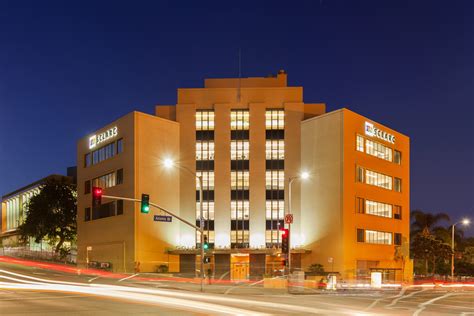
The overturning of these covenants triggered a surge of affluent Black residents into West Adams throughout the 1950s. The neighborhood became a haven for prominent figures of the time, including entertainers like Pearl Bailey, Joe Louis, Ray Charles, Hattie McDaniel, Johnny Otis, Little Richard, and Lionel Hampton. Architectural contributions from this era include the Paul Williams-designed Golden State Mutual Life Insurance Company building and the First AME Church on Harvard Boulevard. The intersection of Washington and Westmoreland was later designated Ray Charles Square, honoring the legendary musician's business and studio headquarters located there.
The Impact of Urban Development and Displacement
The mid-20th century brought about profound changes, driven by large-scale urban development projects. The construction of the ten-lane Santa Monica Freeway in 1963 had a devastating impact on West Adams, bisecting the neighborhood and leading to the demolition of a significant portion of its fabric. The Los Angeles Sentinel reported that Sugar Hill was specifically targeted for destruction to avoid impacting USC's Fraternity and Sorority Row. This selective use of eminent domain resulted in the demolition of many Black-owned mansions and the displacement of numerous Sugar Hill residents, contributing to a precipitous decline in the neighborhood's economic viability and social cohesion.
The freeway's construction not only physically divided the community but also symbolized a broader era of urban renewal that often came at the expense of established neighborhoods, particularly those with significant minority populations. This period also saw the rise of apartment buildings, which began to encroach on areas previously reserved for high-class residences, as noted by a Los Angeles Times reporter in 1906.
A Legacy of Architecture and Cultural Resilience
Despite the disruptions, West Adams has long been celebrated for its exceptional architectural heritage. Officially named in 2005, the neighborhood is an architect's dream, boasting a rich collection of historic homes and small mansions, considered one of the largest west of the Mississippi River. A stroll through its avenues reveals a stunning array of styles from the late 1880s to 1925, including Craftsman, Beaux-Arts, Queen Anne, Gothic Revival, and Victorian. Notable examples include the Forthmann House, the John B. Cane Victorian, and the property famously used as the Fisher-Diaz funeral home in HBO's "Six Feet Under." The neighborhood is home to over 70 sites recognized as Historic-Cultural Monuments, California Historic Landmarks, or listed on the National Register of Historic Places. Specific areas like Harvard Heights, Lafayette Square, and West Adams Terrace have been designated as Historic Preservation Overlay Zones (HPOZs) to safeguard their architectural significance.
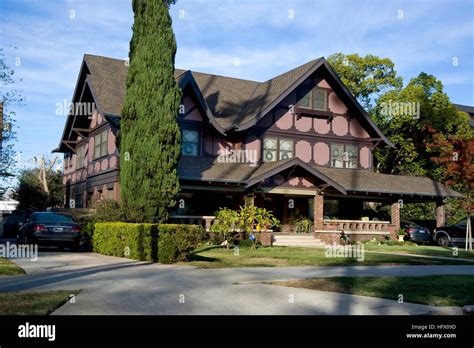
The architectural landscape also includes significant contributions from renowned architects. The Greene and Greene firm, creators of the Craftsman style, has its only remaining house in the City of L.A. within West Adams. The Stimson House, a Romanesque mansion built in 1891, survived a dynamite attack and has been featured in numerous productions. The Britt Mansion and Formal Gardens, a Neoclassical mansion designed by Alfred F. Rosenheim, now houses the LA84 Foundation. The Walker Mansion, an example of Victorian, Queen Anne, and Colonial Revival styles, designed by Charles Whittlesey, stands as a testament to the neighborhood's rich history. The Exposition Park Rose Garden, a historic landmark added to the National Registry of Historical Places, offers a beautiful botanical escape.
Contemporary West Adams: Gentrification and Community
In recent decades, West Adams has experienced a complex resurgence, marked by both revitalization and the challenges of gentrification. The arrival of Metro's E Line and a new wave of affluent residents have brought displacement, placing the neighborhood at the forefront of L.A.'s gentrification discussions. New businesses, often owned by individuals from outside the community, are capitalizing on the area's boom, sometimes at the expense of legacy and/or POC-owned businesses.
However, the neighborhood also remains a hub for a thriving art community, with murals adorning its streets, celebrating its vibrant cultural heritage. There is a strong emphasis on supporting Black and POC-owned businesses, both new and established, such as the Reparations Club bookstore, Harold & Belle's Cajun restaurant, Alta Adams, Bee TaquerÃa, and WiJammin Jamaican restaurant.
Untold LA: About the Project
Historically, West Adams has also been a significant center for the Black gay community, notably through Jewel's Catch One, one of the nation's first Black gay discos, founded in 1973 by Jewel Thais Williams. This iconic venue hosted legendary performers and was once described as the "Studio 54 of the West Coast." Though operating under new ownership today, the building remains a symbol of this vibrant cultural history.
The demographic makeup of West Adams continues to evolve. According to the L.A. Times Mapping Project, the neighborhood now has a majority Latino population of 56.2%, followed by a Black population of 37.6%. The influx of upper-middle-class whites, drawn by the area's architecture and proximity to USC, is also notable. Mirroring broader trends in Los Angeles, the district's Latino population has been steadily growing, and many African-American gays have moved into the neighborhood, solidifying its role as a center for Black gay life in Los Angeles.
Despite the ongoing transformations, West Adams stands as a powerful example of a neighborhood that, while grappling with the complexities of development and change, retains a deep connection to its rich past and a resilient spirit that continues to shape its future. Its storied streets, lined with architectural gems and imbued with layers of cultural history, offer a compelling narrative of Los Angeles itself.